The comfort of a modern home is often taken for granted until the moment the air stops flowing. Your Heating, Ventilation, and Air Conditioning (HVAC) system is the silent workhorse of your household, regulated by complex thermodynamics and intricate electrical components. For most homeowners, the system is a “black box”—something that exists behind a vent or outside on a concrete pad that only gains attention when it fails. However, understanding the mechanics, maintenance needs, and professional requirements of your climate control system is essential for both financial prudence and personal comfort. A proactive approach to HVAC management can extend the life of your equipment by a decade or more, while a reactive approach often leads to emergency expenses and uncomfortable nights.
Understanding the Fundamental Components of Modern HVAC Systems
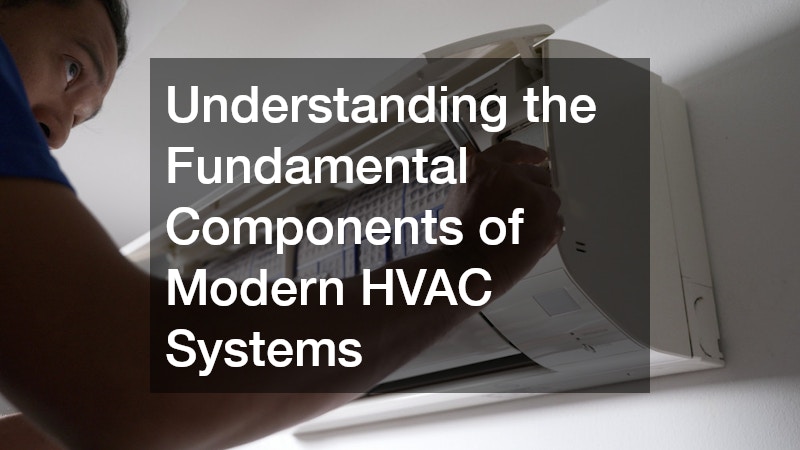
To manage your home effectively, you must first understand the anatomy of your climate control. A standard split system consists of an indoor unit (usually a furnace or air handler) and an outdoor unit (the condenser). These are linked by refrigerant lines that facilitate the transfer of heat. In the summer, the system pulls heat from your indoor air and moves it outside; in the winter, the process is reversed or supplemented by a combustion heating element.
Navigating these complexities requires the expertise of a qualified HVAC contractor. These professionals are trained to understand the delicate balance of airflow, refrigerant pressure, and electrical loads. When a contractor evaluates your system, they aren’t just looking for broken parts; they are looking at the “static pressure” within your ducts and the efficiency of the heat exchanger. Understanding that your HVAC system is a closed loop is the first step in realizing that a failure in one small component, such as a capacitor or a fan motor, can eventually lead to the total collapse of the entire system if not addressed by a specialist. A professional will also check for the integrity of the heat exchanger, a critical safety step to prevent carbon monoxide from entering your living space.
The Vital Role of Regular Filter Replacements
One of the simplest yet most impactful tasks a homeowner can perform is changing the air filter. The filter’s primary job is not actually to clean the air for you to breathe—though it does help—but to protect the internal components of the HVAC unit from dust and debris buildup. When a filter becomes clogged, the blower motor has to work twice as hard to pull air through the restricted surface, leading to overheating and premature mechanical failure.
For those living in regions with harsh winters, coordinating with local heating services to determine the best filtration level for your specific furnace is vital. Different systems have different “MERV” ratings, which measure the density of the filter. If you choose a filter that is too thick for your system’s motor capacity, you can inadvertently “strangle” your furnace, leading to a cracked heat exchanger. By maintaining a strict schedule—typically every 30 to 90 days—you ensure that the air remains clean and the mechanical load remains light. Furthermore, a clean filter reduces the amount of dust that settles on your evaporator coils, which is a major cause of system inefficiency and freezing.
Signs That Your Heating and Cooling Unit Requires Professional Repair
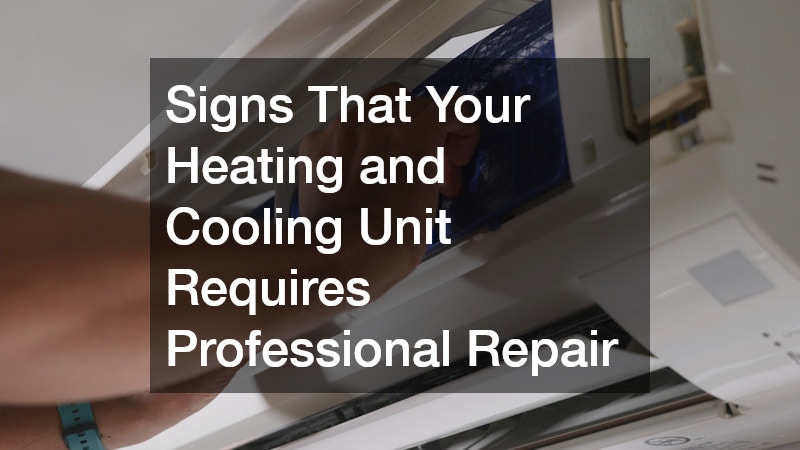
Early detection is the key to preventing a minor malfunction from turning into a catastrophic failure. Homeowners should stay vigilant for “short-cycling,” where the system turns on and off rapidly without reaching the desired temperature. Other red flags include unusual grinding, banging, or squealing noises, which often point to a failing belt, a loose component, or a motor bearing that has run dry.
If you notice ice forming on the copper lines outside or the coils inside, you are likely dealing with a refrigerant leak or restricted airflow. In these instances, you must shut the system down immediately and seek professional ac repairs. Running a system with frozen coils can cause liquid refrigerant to enter the compressor—a part often referred to as the “heart” of the system—which is prohibitively expensive to replace. Catching these signs early saves you from the discomfort of a total system blackout during a heatwave. Additionally, be aware of “hot spots” in the house, which may indicate a ductwork issue rather than a mechanical failure.
Maximizing Energy Efficiency to Lower Monthly Utility Bills
In the current economic climate, energy efficiency is more than an environmental concern; it is a financial necessity. An inefficient HVAC system is often the single largest contributor to high utility bills. Efficiency can be hampered by leaky ductwork, outdated components, or a lack of proper insulation in the attic. Even a system that is running “well” might be sucking up 20% more energy than it should if it hasn’t been calibrated recently.
When you consult with reputable HVAC contractors, they can perform an energy audit to identify where your system is losing power. This might involve sealing duct joints with mastic or recommending a system with a higher SEER2 (Seasonal Energy Efficiency Ratio) rating. Often, simple fixes like installing a radiant barrier in the attic or ensuring that furniture is not blocking return air vents can drastically reduce the workload on your unit, leading to significant monthly savings. They can also check the “delta T,” or the temperature difference between the supply and return air, to ensure the system is cooling at its maximum thermal capacity.
The Impact of Seasonal Maintenance on System Longevity
Think of an HVAC system like a car; you wouldn’t drive 100,000 miles without an oil change. Seasonal maintenance is designed to “tune up” the system before the periods of highest stress. Spring maintenance focuses on the cooling components, while fall maintenance ensures the heating elements are safe for the winter. This preventive approach is far cheaper than the emergency service calls that inevitably happen on the hottest or coldest days of the year.
Scheduling a recurring HVAC Service ensures that a technician cleans the outdoor condenser coils, checks refrigerant levels, and tightens electrical connections. Over time, connections can loosen due to the vibration of the unit, which can lead to electrical arcing and fire hazards. A professional service visit also includes cleaning the condensate drain line, which prevents water from backing up and causing expensive water damage to your ceilings or floors. During these visits, technicians can also lubricate moving parts, reducing friction and extending the life of the blower motor and inducer fan.
Troubleshooting Common Thermostat and Connectivity Issues
Sometimes, the “HVAC problem” isn’t with the heater or air conditioner at all, but with the control interface. Modern thermostats are essentially small computers, and like any computer, they can experience software glitches, battery failures, or wiring issues. If your system isn’t responding, check the display for error codes, “hold” settings, or low battery warnings first.
In some cases, the issue might be related to the power supply coming from the home’s main board. While HVAC techs handle the unit, occasionally an appliance service professional or an electrician is needed if the dedicated circuit breaker or the 24V transformer is failing. Ensuring your thermostat is mounted away from direct sunlight and drafts is also essential for accurate temperature sensing, preventing the system from running unnecessarily and driving up your bills. If you have a “C-wire” issue, your smart thermostat may intermittently lose Wi-Fi connectivity, causing the system to default to inefficient factory settings.
Improving Indoor Air Quality Through Advanced Filtration
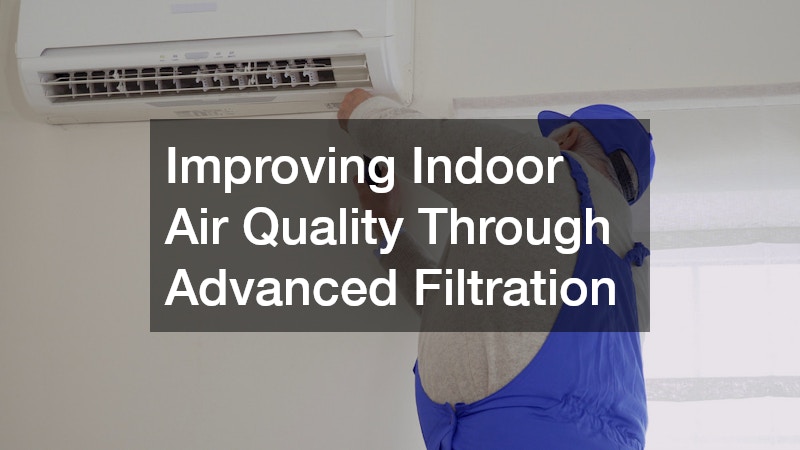
We spend roughly 90% of our time indoors, yet indoor air is often more polluted than outdoor air. Dust, pet dander, mold spores, and volatile organic compounds (VOCs) circulate through our ductwork constantly. Quality HVAC management involves looking at your system as an air purification tool rather than just a temperature regulator. This is especially important in tightly sealed modern homes that don’t “breathe” as well as older structures.
For homeowners who rely on oil-based heating, maintaining a relationship with a reliable home heating oil company is just the start. You should also consider adding whole-home air purifiers or UV lamps within the ductwork. These additions neutralize pathogens and mold spores as they pass through the system. High-quality filtration systems integrated into your HVAC setup can significantly reduce allergy and asthma symptoms, making your home a healthier environment for your family. Some homeowners also opt for ERVs (Energy Recovery Ventilators) which swap stale indoor air for fresh outdoor air without losing the thermal energy you’ve already paid for.
Selecting the Correct System Size for Your Home’s Square Footage
One of the most common mistakes in the HVAC industry is the “bigger is better” fallacy. If an air conditioner is too large for a home, it will reach the target temperature too quickly and shut off before it has the chance to remove humidity from the air. This results in a “cold and clammy” environment and excessive wear on the compressor due to constant starting and stopping. Conversely, an undersized system will run perpetually, never reaching the set point and burning out the motor.
By utilizing professional furnace services, you can ensure a Manual J load calculation is performed. This calculation takes into account your home’s square footage, the number of windows, the direction the house faces, and the quality of your insulation. Getting the sizing right ensures that your furnace and AC run for long, efficient cycles that properly manage both temperature and moisture levels. A correctly sized unit also manages the “throw” of the air, ensuring it reaches the far corners of every room rather than just dumping cold air near the vents.
The Benefits of Upgrading to High-Efficiency Smart Technology
The leap in technology over the last decade has been staggering. Modern variable-speed compressors can operate at 40% capacity to maintain a steady temperature, rather than the 100% “on or off” nature of older models. This leads to a much more consistent indoor climate and lower noise levels, as the system doesn’t have to roar to life at full power every time the thermostat clicks.
If your current system is over 15 years old, it is likely time to look into heating repairs versus total replacement. A smart-enabled system allows you to monitor your home’s climate from your smartphone, adjusting temperatures based on your GPS location or daily schedule. These systems can even alert your technician automatically if they detect an operational anomaly, such as a drop in refrigerant pressure or a failing igniter. This allows for “predictive maintenance” that solves problems before you even realize they exist, often saving the homeowner from an expensive after-hours emergency call.
Preparing Your Outdoor Condenser for Extreme Weather Conditions
The outdoor portion of your HVAC system is built to be rugged, but it isn’t invincible. During autumn, falling leaves and twigs can clog the fins of the condenser, suffocating the unit and causing it to run hot. In winter, heavy snow and ice can damage the fan blades or the delicate aluminum fins if the unit is not properly shielded or cleared. Hail is another major threat that can flatten the fins, restricting the airflow needed for heat exchange.
If you experience a breakdown during a blizzard or heatwave, you’ll need reliable furnace repair services to restore safety to your home. To prevent this, ensure there is at least a two-foot clearance around your outdoor unit, removing weeds and tall grass that can block the intake. Avoid covering the unit with a heavy plastic tarp in the winter, as this traps moisture and creates a perfect nesting ground for rodents who may chew through the electrical wiring. Instead, use a specialized breathable cover or a simple “ice shield” that protects the top while allowing the sides to breathe.
The complexity of a modern HVAC system is a testament to how far home comfort technology has come, transitioning from simple wood fires to sophisticated, computer-controlled thermal management. From the initial load calculations performed by a professional builder to the meticulous seasonal tune-ups provided by dedicated technicians, every stage of an HVAC system’s life requires attention and expertise. By understanding the roles of various components and the necessity of professional intervention, homeowners can transform their heating and cooling from a source of stress into a seamless, efficient, and long-lasting asset.
Furthermore, the relationship you build with your service providers is just as important as the hardware itself. Having a trusted team you can call for routine checks means that when a real emergency strikes, you aren’t just another number in a queue. Remember that your HVAC system is an investment in your family’s health and comfort; treating it with the care it deserves ensures that your home remains a sanctuary, no matter what the weather looks like outside. Investing in quality service today prevents the cold, quiet emergencies of tomorrow and ensures your home remains the comfortable haven it was always meant to be. Through education and regular maintenance, you can master the “black box” and enjoy lower bills, cleaner air, and total peace of mind for decades to come.