Comfort and efficiency don’t come from a single system working well, they come from how every part of a home works together. Heating and cooling performance, indoor air quality, humidity levels, and energy usage are all shaped by dozens of interconnected factors. When one area is neglected, the ripple effects can lead to higher utility bills, uneven temperatures, and premature system wear.
Many homeowners approach maintenance reactively, fixing problems only when something breaks. While that may address immediate concerns, it often overlooks underlying causes that quietly undermine comfort over time. A holistic approach to maintenance focuses on prevention, coordination, and long-term performance rather than short-term fixes.
This guide takes a whole-home view of maintenance, showing how structural elements, mechanical systems, interior upgrades, and outdoor features all play a role in creating a comfortable and efficient living environment. By understanding how these components interact, homeowners can make smarter decisions, avoid unnecessary expenses, and enjoy consistent comfort year-round.
Start at the Top and Protect the Building Envelope

A home’s uppermost structure plays a major role in regulating indoor temperatures, controlling moisture, and protecting insulation. Because heat naturally rises, the area above the living space becomes a critical barrier between conditioned air and the outdoor environment. When that barrier is compromised, warm or cool air escapes more easily, forcing heating and cooling systems to run longer and harder to maintain comfort. Over time, this extra strain increases energy costs and accelerates system wear.
In residential roofing systems, even minor deterioration can create significant efficiency problems. Worn shingles may allow heat absorption or loss, damaged flashing can let water seep into insulation layers, and compromised underlayment can no longer serve as an effective thermal and moisture barrier. These issues often develop gradually, which is why homeowners may not notice a problem until energy bills rise unexpectedly or interior ceilings show signs of staining or warping.
Attic conditions often reveal early warning signs of trouble. Uneven temperatures, condensation on framing, or damp insulation indicate that the overhead structure is no longer performing as intended. If left unaddressed, moisture intrusion can compress insulation, reducing its effectiveness and creating conditions that promote mold growth. This not only affects energy efficiency but also indoor air quality and long-term structural integrity.
Larger properties experience many of the same challenges, which is why commercial roofing maintenance places such a strong emphasis on durability, drainage, and insulation alignment. Flat or low-slope surfaces are particularly vulnerable to standing water, which can add weight stress and increase heat transfer through the building envelope. When water is not directed away properly, it can infiltrate seams or insulation layers, impacting comfort levels throughout the structure below.
To stay ahead of these issues, homeowners can take several proactive steps:
-
Inspect attic spaces periodically for temperature extremes, condensation, or visible moisture
-
Check for insulation that appears compressed, displaced, or damp
-
Ensure vents, soffits, and exhaust openings remain clear to promote healthy airflow
-
Look for exterior signs such as curling shingles, missing granules, or deteriorated flashing
-
Schedule professional evaluations after severe weather, including heavy storms or high winds
Roof maintenance also supports heating and cooling efficiency in less obvious ways. When insulation remains dry and properly positioned, it performs at its rated capacity, helping stabilize indoor temperatures. Proper ventilation prevents heat buildup in warmer months and moisture accumulation in colder seasons, reducing the workload placed on mechanical systems year-round.
Addressing overhead issues early prevents small defects from turning into expensive repairs. More importantly, it preserves the balance between the building envelope and the systems responsible for comfort. A well-maintained upper structure allows the rest of the home to function more efficiently, creating a more stable, comfortable living environment while keeping energy usage in check.
Keep Water Flowing Efficiently Throughout the Home
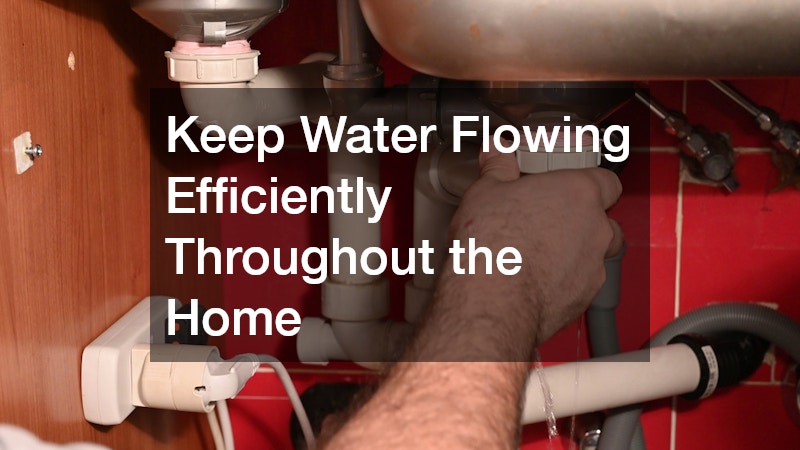
Water systems influence comfort in subtle but significant ways that homeowners often underestimate. While plumbing issues are commonly associated with inconvenience or property damage, they also play a direct role in indoor comfort, humidity control, and air quality. Slow drains, hidden leaks, or aging pipes can introduce excess moisture into walls, floors, and crawl spaces. Over time, this moisture creates conditions that promote mold growth, structural deterioration, and lingering odors—all of which can negatively affect how a home feels and functions.
Because these problems typically develop out of sight, they can go unnoticed for long periods. Small leaks behind walls or beneath fixtures may not cause immediate damage but can steadily raise indoor humidity levels. This added moisture forces ventilation and climate-control systems to work harder to maintain comfort, increasing energy usage and contributing to uneven temperatures throughout the home. Preventative care is especially important because addressing these issues early is far less disruptive and costly than repairing widespread damage later.
Routine drain cleaning is one of the simplest yet most effective ways to maintain water flow and prevent moisture-related issues. Over time, grease, soap residue, hair, and debris gradually accumulate along pipe walls. As buildup increases, water flow slows, pressure rises, and the likelihood of backups or leaks grows. In severe cases, restricted drains can cause water to overflow into cabinets or flooring, introducing moisture where it doesn’t belong.
When drains function efficiently, several benefits follow:
-
Consistent water flow that reduces pressure on pipes
-
Lower risk of backups that lead to water damage
-
Reduced humidity caused by standing or slow-moving water
-
Fewer odors resulting from trapped debris
Working with a qualified plumbing company gives homeowners access to expertise that goes beyond surface-level fixes. Professional inspections can uncover corrosion inside pipes, pressure imbalances that stress fittings, or small leaks that are invisible during normal use. Technicians can also evaluate system layout and materials to identify areas that may be nearing the end of their service life.
Early detection offers clear advantages. Addressing minor issues prevents them from spreading into walls or subflooring, protects fixtures and finishes from water exposure, and avoids emergency repairs that often come with higher costs and greater disruption. Proactive service also helps ensure that plumbing systems continue to operate efficiently as the home ages.
Homeowners can support long-term water system performance with a few consistent maintenance habits:
-
Flush drains periodically using appropriate, non-damaging solutions
-
Pay attention to slow drainage, gurgling sounds, or recurring clogs
-
Monitor water bills for unexplained increases that may signal hidden leaks
-
Check under sinks and around fixtures for signs of moisture or corrosion
Water efficiency is closely tied to overall home performance. Excess moisture affects more than plumbing—it can strain ventilation systems, reduce insulation effectiveness, and contribute to temperature inconsistencies from room to room. By keeping plumbing systems clean, balanced, and well maintained, homeowners create a healthier indoor environment that supports stable comfort levels and efficient operation across the entire home.
Optimize Heating and Cooling Performance Year-Round
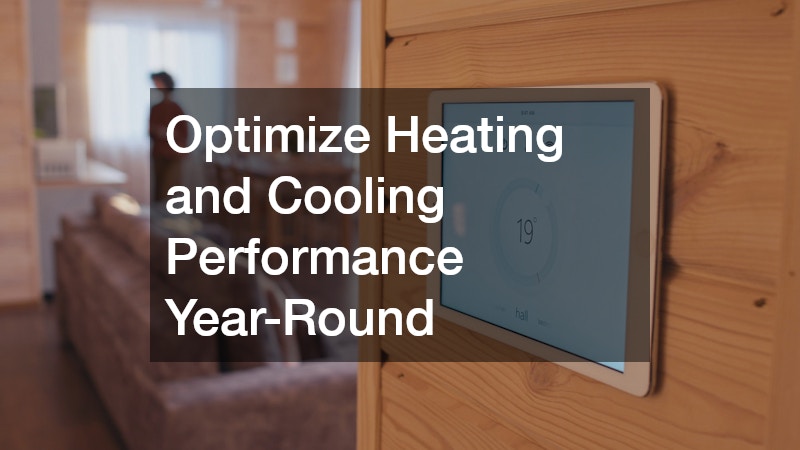
Heating and cooling systems are central to home comfort, but they rarely operate in isolation. Their performance is influenced by a wide range of factors, including airflow design, insulation quality, thermostat accuracy, and how well the system is maintained over time. When one of these elements is out of balance, the system must work harder to achieve the same result, which reduces efficiency and accelerates wear.
Minor performance issues are often early warning signs rather than isolated inconveniences. Inconsistent temperatures between rooms, longer run times, or subtle changes in noise levels can indicate airflow restrictions, calibration issues, or developing mechanical problems. Ignoring these signs allows inefficiencies to compound, often turning simple fixes into costly repairs during the most demanding seasons.
Timely ac repair plays a critical role in maintaining cooling efficiency, especially during periods of high demand. Reduced airflow may result from clogged filters, duct obstructions, or blower issues, while uneven cooling can signal refrigerant imbalances or thermostat placement problems. Unusual noises, such as rattling, buzzing, or grinding, often point to loose or failing components that can damage surrounding parts if left unaddressed. Even small inefficiencies can cause a noticeable increase in energy consumption during peak summer months, driving up utility costs and stressing the system.
Addressing these symptoms early offers several benefits:
-
Improved cooling consistency throughout the home
-
Lower energy usage during high-demand periods
-
Reduced risk of mid-season breakdowns
-
Extended lifespan for major system components
Similarly, regular heat pump repair ensures systems designed to both heat and cool can transition smoothly between seasons. Because heat pumps operate year-round, they experience more continuous use than single-purpose systems. Over time, uneven component wear, sensor drift, or declining refrigerant levels can reduce performance. When this happens, homeowners may notice slower temperature changes, frequent cycling, or difficulty maintaining comfort during extreme weather.
Routine inspections allow technicians to fine-tune system operation by checking airflow balance, electrical connections, and refrigerant charge. Catching issues early prevents sudden failures during winter cold snaps or summer heat waves, when system reliability is most critical. Properly maintained systems also respond more accurately to thermostat settings, improving comfort while reducing unnecessary run time.
Homeowners can support system efficiency with simple but effective habits:
-
Replace air filters on a regular schedule to maintain proper airflow
-
Keep vents and returns clear of furniture, rugs, and debris
-
Monitor energy bills for unexplained increases that may indicate inefficiency
-
Schedule professional tune-ups annually to ensure systems remain calibrated
Heating and cooling systems perform best when the surrounding environment supports them. Sealed ductwork prevents conditioned air from escaping into unconditioned spaces, while balanced airflow ensures each room receives adequate heating or cooling. Proper insulation helps maintain indoor temperatures, allowing systems to reach set points faster and cycle less frequently.
A proactive approach to system maintenance stabilizes indoor comfort and minimizes surprises. By addressing small issues before they escalate, homeowners reduce the risk of sudden system failures during extreme weather. The result is a more reliable, efficient system that delivers consistent comfort throughout the year while keeping long-term operating costs under control.
Improve Comfort Through Smart Interior Upgrades
Interior improvements influence more than aesthetics, they directly affect airflow, humidity control, and thermal comfort. Thoughtful upgrades can enhance system performance when they’re planned with efficiency in mind.
Projects like bathroom remodeling often involve changes to ventilation, plumbing fixtures, and surface materials. Proper exhaust systems help manage humidity, reducing the burden on climate-control equipment and preventing moisture-related issues elsewhere in the home.
A larger home remodel presents opportunities to correct layout inefficiencies that restrict airflow or trap heat. Adjusting room configurations, ceiling heights, or insulation placement can dramatically improve comfort when done strategically.
To maximize efficiency during upgrades:
-
Ensure ventilation systems are correctly sized and positioned
-
Avoid blocking vents or returns with new layouts
-
Choose materials that support temperature regulation
Coordinating interior projects with mechanical considerations prevents unintended consequences. When upgrades align with system capabilities, homeowners enjoy improved comfort without increasing energy usage. Planning ahead ensures that visual improvements also deliver functional benefits.
Maintain Exterior Areas That Influence Indoor Conditions
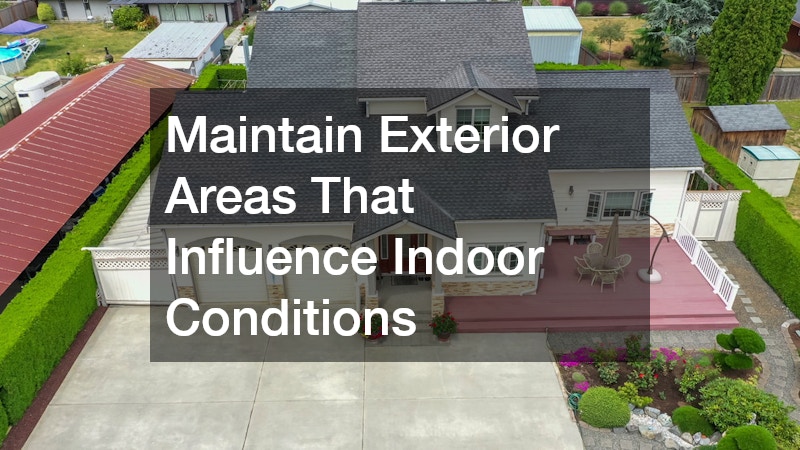
Outdoor spaces may seem separate from indoor comfort, but they play a crucial supporting role. Vegetation, drainage patterns, and external equipment can all affect temperature regulation and humidity control inside the home.
Professional land clearing services help manage overgrowth that traps moisture against exterior walls or blocks airflow around the structure. Proper clearance reduces pest activity, improves drainage, and supports stable indoor conditions.
Likewise, timely pool repair prevents leaks or equipment inefficiencies that can raise humidity levels nearby. Poorly maintained outdoor systems often place unexpected strain on electrical and mechanical components connected to the home.
Effective exterior maintenance strategies include:
-
Keeping vegetation trimmed away from walls and vents
-
Ensuring proper grading to direct water away from the foundation
-
Monitoring outdoor equipment for leaks or inefficiencies
By maintaining outdoor features consistently, homeowners protect the integrity of interior systems. A balanced approach ensures that external conditions support, rather than undermine, indoor comfort and efficiency.
Building a Smarter, More Comfortable Home
Whole-home maintenance is about understanding connections. Each system, surface, and structure influences the others, shaping how comfortable and efficient a home feels every day. When maintenance is approached proactively and holistically, small improvements add up to significant long-term benefits.
Rather than reacting to problems as they arise, homeowners who plan ahead enjoy steadier temperatures, healthier indoor environments, and lower operating costs. By viewing the home as an integrated system, maintenance decisions become clearer, more strategic, and ultimately more rewarding.
Consistent care protects not only individual components but the overall living experience, creating a home that feels comfortable, efficient, and dependable year after year.