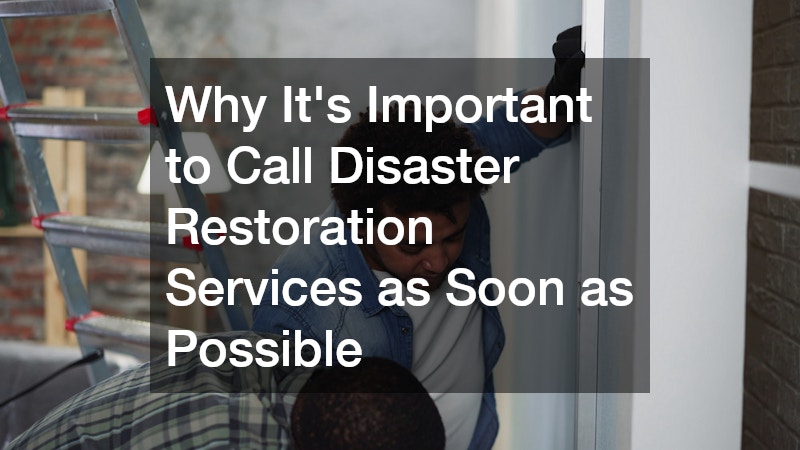
Disaster restoration is a critical service that mitigates the devastating effects disasters have on homes and businesses. Prompt action in the face of such calamities can significantly reduce both emotional and financial strain. This article outlines why calling disaster restoration services immediately after a disaster is crucial for damage control and effective recovery.
What Are Disaster Restoration Services?
Definition and Scope
Disaster restoration services are specialized services that focus on the cleanup and rehabilitation of properties following a disaster. Typically, these services cover a broad spectrum of disaster scenarios, including both natural and manmade events.
Restoration professionals bring expertise, tools, and techniques essential for restoring the property to its pre-disaster state.
The scope of these services often extends beyond mere cleanup, encompassing structural repairs, content restoration, and air quality management. Professional services are equipped to handle a variety of damage, whether it’s waterlogged floors or soot-coated walls. Having a trusted restoration service ensures that every aspect of recovery is handled meticulously, with an emphasis on safety and efficiency.
In the aftermath of a disaster, the immediate deployment of restoration services can expedite the recovery process. Their role is not just to restore physical property but also to provide peace of mind. This assurance becomes particularly vital when individuals and communities are faced with chaotic and emotional aftermaths.
Types of Disasters Addressed
Disaster restoration services address a wide range of disasters, including floods, fires, storms, and more. Each type of disaster presents unique challenges that require specific restoration strategies. For instance, floods necessitate water extraction and dehumidification, while fires require smoke odor removal and structural repair.
Storms, which can result in structural damage due to high winds or fallen trees, often require both roofing repairs and debris removal. Additionally, disasters such as mold infestations can develop from prolonged moisture exposure, demanding specialized treatment. Restoration services are well-versed in dealing with the complexities of each disaster type, ensuring comprehensive management of the situation.
Effectively addressing these various disasters requires not only technical expertise but also a thorough understanding of compliance with safety and environmental regulations. Restoration professionals stay current with the best practices and standards required for safe and effective recovery. This ensures that every phase, from cleaning to rebuilding, adheres to necessary codes and reduces the risk of future hazards.
Role in Recovery Process
Disaster restoration services play a pivotal role in the recovery process, as they transform a damaged property back to a livable or operable state. This transformation is achieved by employing systematic procedures beginning with damage assessment. Once a plan is in place, restoration teams work tirelessly to restore, repair, and rejuvenate the affected area.
The recovery process involves not just repairing structural damage but also salvaging personal belongings when possible. Techniques like odor control, moisture removal, and air purification are integral parts of this process. The ultimate goal is to make the property safe, functional, and comfortable for occupants once again.
Beyond physical restoration, these services are essential in reducing the emotional toll of disasters on affected individuals. Having professionals manage the recovery process reassures those affected that expert help is at hand, allowing them to focus on rebuilding their lives. This holistic approach to disaster recovery underscores the indispensable role that restoration services play.
Why Is Immediate Action Crucial?
Preventing Further Damage
Immediate action in disaster restoration is vital to preventing further damage to the property. When left unattended, even minor damages can proliferate, leading to extensive and costly repairs later on. Quick intervention by restoration experts halts the spread of damage, mitigating risks associated with prolonged exposure.
For instance, water damage if not promptly addressed can lead to structural weakening and mold growth. Similarly, fire damage, comprising not only structural impairments but also corrosive byproducts like smoke and soot, can intensify over time. Responding swiftly to such scenarios minimizes the need for major reconstructions, preserving both the integrity of the property and financial resources.
In scenarios where the structural stability is compromised, time is of the essence to prevent collapses or other dangerous developments. Rapid restoration efforts can stabilize structures, preventing further deterioration. Moreover, they ensure that the living or working environment is restored to a safe state at the earliest opportunity.
Health and Safety Concerns
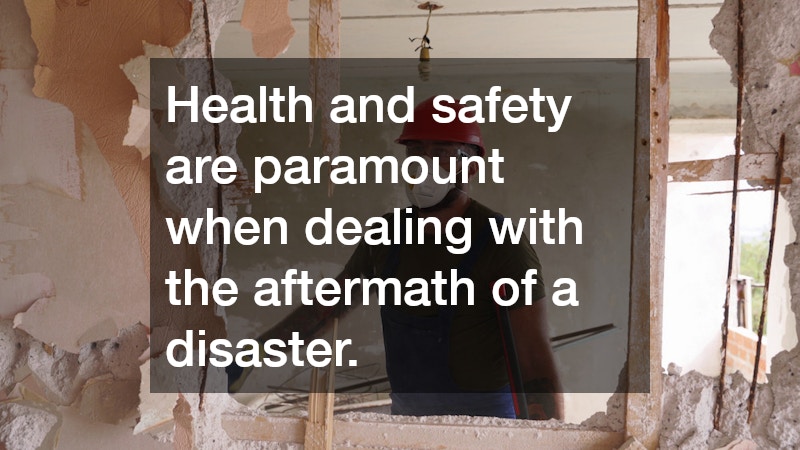
Health and safety are paramount when dealing with the aftermath of a disaster. Delays in addressing damages can expose inhabitants to various health hazards, including mold and structural weaknesses. These risks underscore the importance of engaging professional restoration services without delay.
In particular, water damage poses a significant risk for mold, which can thrive within 24 to 48 hours. Mold spores, if inhaled, can lead to respiratory issues and allergic reactions among inhabitants. Additionally, fire and smoke damage can compromise indoor air quality, posing further health threats if not promptly managed.
Apart from biological threats, structural hazards like weakened supports or exposed electrical wiring pose immediate dangers to safety. Prompt restoration services not only address these risks but also ensure compliance with safety standards and regulations. This mitigates the potential for harm and promotes a secure and healthy environment for all occupants.