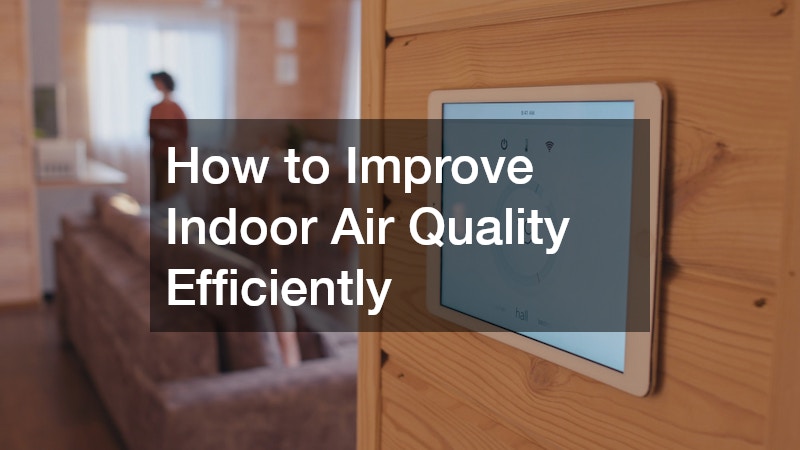
Indoor air quality plays a critical role in your overall health, comfort, and even productivity. Since most people spend a large portion of their time indoors, the air circulating within your home can have long-term effects on respiratory health, allergies, and general well-being. Poor air quality can stem from a wide range of sources, including dust, pet dander, chemicals, moisture buildup, and inadequate ventilation.
The good news is that improving indoor air quality doesn’t always require major investments or complicated systems. With the right knowledge and a proactive approach, you can significantly reduce pollutants and create a healthier living environment. This guide walks you through practical, effective strategies to help you achieve cleaner indoor air while also maintaining energy efficiency and home comfort.
Identify and Eliminate Common Indoor Air Pollutants
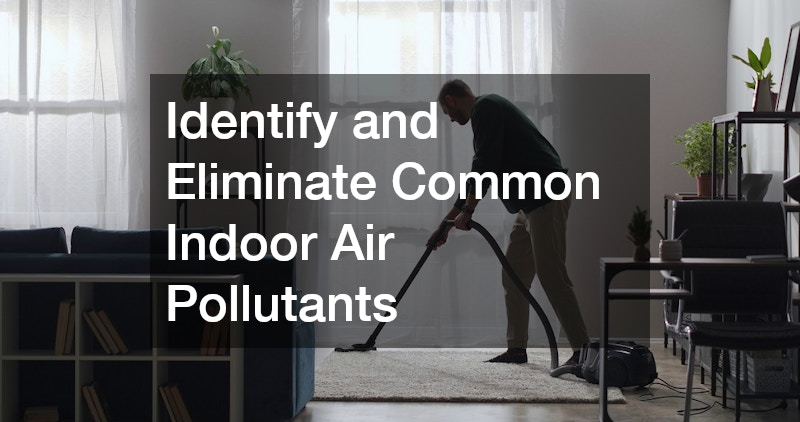
The first step in improving indoor air quality is understanding what’s polluting it. Many airborne contaminants are invisible, making them easy to overlook until they begin affecting your health.
Common indoor pollutants include:
- Dust mites and pet dander
- Pollen tracked in from outdoors
- Volatile organic compounds (VOCs) from paints, cleaners, and furniture
- Smoke from cooking or fireplaces
- Mold spores and bacteria
To effectively reduce these pollutants:
- Vacuum frequently using a HEPA-filter vacuum
- Wash bedding and curtains regularly
- Use low-VOC or VOC-free household products
- Keep windows closed during high pollen seasons
Sometimes, pollutants are caused by structural issues such as poor insulation, leaks, or hidden mold growth. In these cases, consulting a building contractor can help identify underlying problems that contribute to poor air circulation or contaminant buildup.
Improve Ventilation Throughout Your Home
Proper ventilation is one of the most effective ways to maintain healthy indoor air. Without adequate airflow, pollutants become trapped and concentrated.
There are two main types of ventilation:
- Natural ventilation: Opening windows and doors to allow fresh air in
- Mechanical ventilation: Using fans, exhaust systems, or HVAC setups
To improve airflow:
- Use exhaust fans in kitchens and bathrooms
- Install attic and crawl space ventilation systems
- Open windows strategically to create cross-breezes
If you’re designing or upgrading a home, a home builder can incorporate advanced ventilation systems that continuously cycle fresh air indoors while removing stale air.
Additional tips:
- Avoid blocking vents with furniture
- Keep interior doors open when possible
- Use ceiling fans to circulate air more effectively
Upgrade and Maintain Your HVAC System Properly
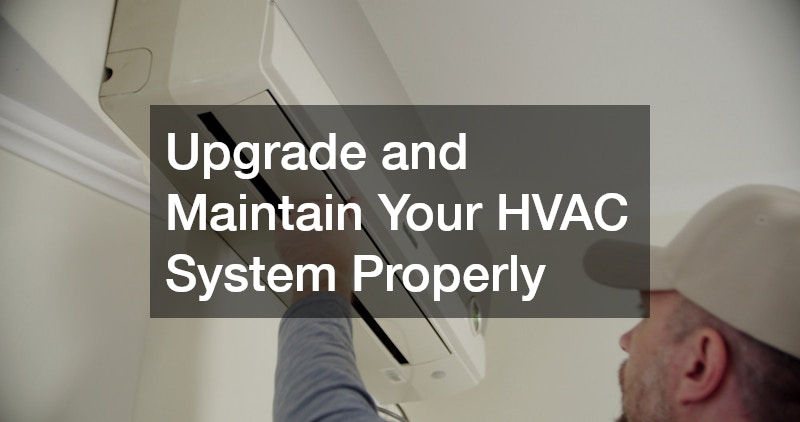
Your HVAC system is the backbone of your home’s air quality. A poorly maintained system can spread dust, allergens, and even mold throughout your living space.
Key maintenance practices include:
- Changing air filters every 1–3 months
- Scheduling professional inspections annually
- Cleaning vents and registers regularly
Choosing the right filter is essential:
- HEPA filters capture fine particles like pollen and dust
- Activated carbon filters help remove odors and chemicals
Signs your HVAC system may need attention:
- Uneven temperatures in different rooms
- Increased dust buildup
- Musty or stale odors
Routine maintenance not only improves air quality but also enhances energy efficiency and extends the lifespan of your system.
Control Humidity to Prevent Mold and Mildew Growth
Humidity levels have a direct impact on indoor air quality. Excess moisture creates the perfect environment for mold and mildew, while overly dry air can irritate your skin and respiratory system.
Ideal indoor humidity levels:
- Between 30% and 50%
To manage humidity effectively:
- Use dehumidifiers in damp areas like basements
- Fix leaks promptly
- Ensure proper insulation in walls and ceilings
If mold becomes visible or widespread, professional black mold remediations services may be necessary to safely eliminate it and prevent recurrence.
Plumbing systems can also contribute to moisture problems. Regular maintenance, including the use of drain cleaners, helps prevent clogs and standing water that can lead to mold growth.
Invest in Air Purification and Filtration Solutions
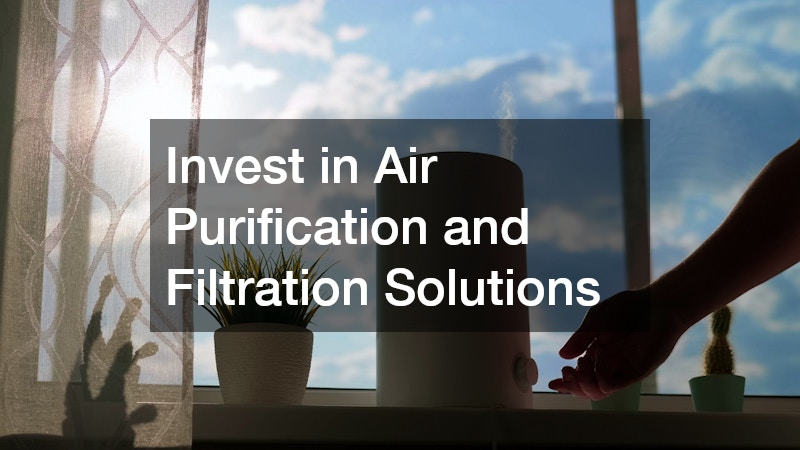
Air purifiers provide an additional layer of protection by removing contaminants that your HVAC system may miss.
Types of air purifiers:
- HEPA air purifiers for allergens
- UV purifiers for bacteria and viruses
- Ionizers for airborne particles
When choosing a system:
- Match the purifier size to the room
- Look for certified filtration standards
- Consider noise levels and energy consumption
Whole-home systems integrate directly with your HVAC unit, while portable purifiers are ideal for specific rooms like bedrooms or offices.
Benefits of air purification:
- Reduced allergy symptoms
- Elimination of odors
- Improved overall air freshness
Address Hidden Moisture and Water Damage Quickly
Water damage often goes unnoticed until it significantly impacts indoor air quality. Moisture trapped behind walls or under flooring can lead to mold growth and structural deterioration.
Warning signs include:
- Peeling paint or wallpaper
- Warped floors
- Persistent musty smells
In such cases, restoration services can assess and repair damage, ensuring that affected areas are properly dried and treated.
Exterior issues can also contribute to moisture problems. Cracks in brick or stone surfaces allow water to seep in, making it important to consult a masonry contractor for proper sealing and repairs.
Preventative steps:
- Inspect roofing and siding regularly
- Maintain gutters and downspouts
- Seal foundation cracks promptly
Optimize Appliances and Systems That Impact Air Quality
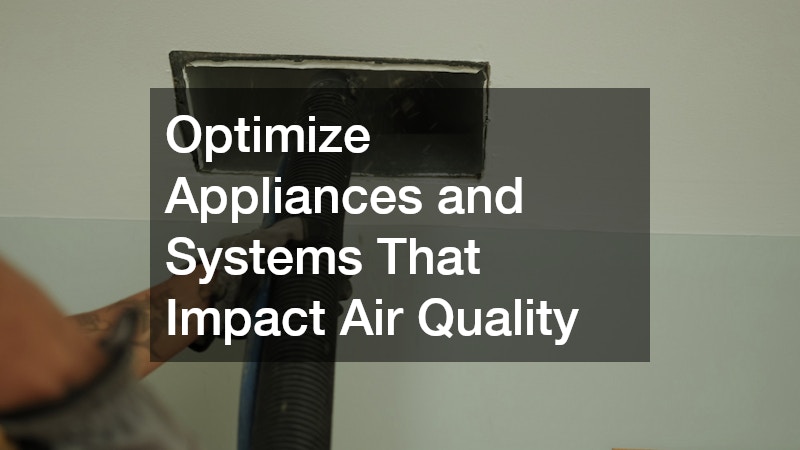
Household appliances can significantly influence indoor air quality, especially those that involve combustion or water heating.
Best practices include:
- Ensuring gas appliances are properly vented
- Regularly inspecting furnaces and stoves
- Installing carbon monoxide detectors
Upgrading to modern systems, such as tankless water heater installation, can reduce emissions and improve efficiency. These systems heat water on demand, minimizing the risk of stagnant water and reducing energy consumption.
Additional tips:
- Avoid using unvented gas heaters indoors
- Clean appliance filters regularly
- Schedule periodic professional inspections
Keep Ductwork and Air Pathways Clean
Air ducts function as the central distribution network for your home’s heating, cooling, and ventilation system. Every time your HVAC system runs, air is pulled through these pathways and redistributed into each room. If the ductwork is dirty or contaminated, it can quickly become one of the largest contributors to poor indoor air quality in the entire home. Dust, pollen, pet dander, mold spores, and even pest debris can accumulate over time and continuously circulate through your living space without you realizing it.
Signs your ducts may need attention often become noticeable in everyday living conditions, including:
- Visible dust buildup around vents or on nearby furniture shortly after cleaning
- Increased allergy symptoms such as sneezing, coughing, or watery eyes indoors
- Musty odors that persist even after cleaning the home
- Mold growth inside ductwork or around vent openings in humid areas
When these issues are present, cleaning your duct system can make a significant difference in overall air quality and comfort. A properly cleaned system can:
- Improve airflow efficiency throughout the home
- Reduce airborne allergens and irritants
- Enhance HVAC performance and energy efficiency
- Eliminate lingering odors trapped within duct surfaces
To maintain clean air pathways over time, consistent upkeep is essential. Recommended maintenance practices include:
- Inspecting ducts every few years, especially in older homes or after renovations
- Sealing leaks to prevent dust, pests, and outdoor pollutants from entering the system
- Ensuring vents remain unobstructed by furniture or buildup
- Using professional cleaning services for deep, thorough removal of accumulated debris
Professional cleaning is especially important because it ensures contaminants are fully removed rather than simply redistributed. When combined with regular HVAC maintenance, clean ductwork supports healthier air circulation and helps your entire indoor environment stay fresher, cleaner, and more efficient year-round.
Plan Air Quality Improvements During Home Upgrades
Renovation projects present one of the best opportunities to significantly improve indoor air quality because they allow you to address structural, mechanical, and material issues at the same time. Instead of treating symptoms after the fact, remodeling lets you design cleaner air into the home from the ground up. When air quality is considered early in the planning stage, improvements tend to be more effective, longer-lasting, and more cost-efficient.
Working with remodeling contractors gives you access to professional insight into how construction choices directly affect indoor air quality. They can help identify hidden problem areas and recommend upgrades that improve airflow, reduce contaminants, and support healthier living conditions.
During the planning phase, focus on key upgrades such as:
- Upgrading insulation to reduce moisture intrusion and improve temperature stability
- Improving ventilation systems to increase fresh air exchange and reduce stale air buildup
- Replacing outdated materials that emit VOCs (volatile organic compounds)
- Sealing gaps and leaks that allow outdoor pollutants and humidity to enter
Home remodeling projects can also be structured around air quality goals, not just aesthetics or layout changes. Thoughtful design decisions can dramatically reduce airborne contaminants and improve comfort.
Additional improvements to consider include:
- Installing energy-efficient windows that reduce drafts while maintaining controlled airflow
- Adding advanced filtration systems directly into HVAC upgrades for whole-home air cleaning
- Reconfiguring layouts to eliminate airflow blockages and improve natural air movement between rooms
- Choosing low-emission paints, flooring, and adhesives to reduce chemical exposure
When air quality is built into the renovation process from the beginning, you avoid costly retrofits later and create a healthier environment from day one. Planning ahead ensures every upgrade works together as part of a unified system rather than isolated improvements, resulting in cleaner, more consistent indoor air throughout the entire home.
Prepare for Power Interruptions to Maintain Air Quality
Power outages can have a surprisingly fast and noticeable impact on indoor air quality, especially in homes that rely heavily on mechanical ventilation, HVAC systems, or air purification units. When the power goes out, air circulation often stops entirely, allowing pollutants such as dust, odors, carbon dioxide buildup, and airborne particles to accumulate in a short period of time. In more humid environments, stagnant air can also accelerate mold growth, especially in poorly ventilated areas like basements, bathrooms, and laundry rooms.
To stay prepared, it’s important to think ahead and build a basic resilience plan for your home’s air quality systems. This starts with installing backup power solutions that can automatically activate during outages or be manually deployed when needed. Having a reliable backup ensures that essential systems continue operating without interruption.
Home generators can keep critical systems running, ensuring continuous air circulation and filtration even during extended power interruptions. This includes not only HVAC units but also dehumidifiers and air purifiers that help maintain stable indoor conditions. Choosing the right generator size and capacity is key to ensuring it can support your essential equipment without overload.
Other considerations include keeping portable air purifiers available in key rooms such as bedrooms and living spaces. These units can provide localized filtration when whole-home systems are unavailable. It’s also wise to maintain a stock of extra filters so your systems can resume full efficiency immediately once power is restored.
During outages, actively monitoring indoor conditions becomes especially important. Simple tools like humidity sensors or indoor air quality monitors can help you track changes in real time. In longer outages, periodically airing out the home—when outdoor conditions allow—can also help reduce buildup of stale air and maintain a healthier indoor environment.
Improving indoor air quality is not a one-time task but an ongoing process that requires consistent attention to the many factors influencing the air inside your home. Every element of your living environment—from the materials used in construction to the way you maintain your HVAC system—can either contribute to cleaner air or introduce new pollutants over time. That’s why a layered approach is most effective, combining prevention, maintenance, and smart upgrades rather than relying on a single solution.
From reducing pollutants and managing humidity to upgrading systems and planning thoughtful renovations, each step plays an important role in creating a healthier indoor environment. Even small changes, such as improving ventilation habits, replacing air filters regularly, or addressing moisture issues early, can have a noticeable impact on air quality over time. More significant improvements, like upgrading appliances, sealing leaks, or redesigning airflow during renovations, further enhance long-term results.
It’s also important to recognize that indoor air quality is closely tied to overall home maintenance. Neglecting issues like hidden moisture, clogged ventilation pathways, or inefficient systems can quickly undo other efforts. Staying proactive helps prevent problems before they escalate, saving both time and money while protecting your health.
By taking a consistent and informed approach, you can create an indoor environment that not only feels more comfortable but also actively supports your well-being. Cleaner air leads to better sleep, improved respiratory health, and a higher quality of life for everyone in the household.