Maintaining a comfortable home environment relies heavily on mechanical systems that work continuously behind the scenes. When these systems operate efficiently, indoor temperatures remain pleasant, energy bills stay predictable, and daily routines run smoothly. However, many homeowners take their climate control equipment for granted until a sudden breakdown occurs on an extremely hot summer afternoon or during the coldest night of winter.
Replacing major home comfort machinery prematurely is one of the most significant, unbudgeted expenses a property owner can face. The continuous wear and tear placed on fans, compressors, electrical circuits, and heat exchangers gradually degrades operational performance. Without deliberate care, a system designed to last fifteen years can easily fail in under eight.
The good news is that short-lived equipment is rarely inevitable. By adopting proactive habits, optimizing how your home manages energy, and staying ahead of routine maintenance, you can dramatically extend the operational lifespan of your equipment. Taking simple, preventive measures protects your financial investment while ensuring your home remains safe and comfortable year-round.
Daily and Monthly DIY Maintenance Habits
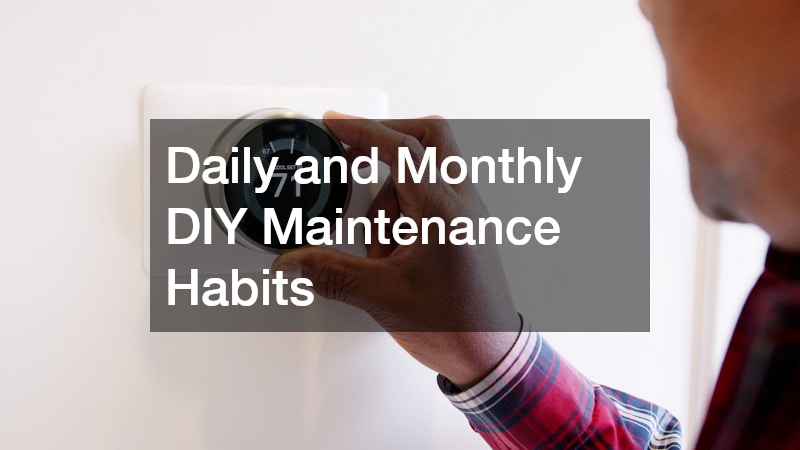
Preventing premature equipment failure begins with consistent, low-effort habits that any homeowner can perform. Small maintenance tasks completed on a monthly schedule eliminate friction within internal components and prevent minor operational stresses from escalating into major mechanical damage. Establishing a predictable routine allows you to catch subtle changes in system noise, airflow, or temperature early. Taking these simple steps builds an effective line of defense, keeping operating costs low and ensuring your home climate control runs smoothly through every season.
Replacing Air Filters on Schedule to Protect Internal Airflow
The single most frequent cause of system strain is a clogged or dirty air filter. Air filters are designed to trap dust, pet dander, pollen, and debris before these particles can enter sensitive internal machinery. When a filter becomes saturated, airflow drops significantly.
-
Restricted Airflow Pressure: Starving the system of air forces the blower motor to work considerably harder to circulate air throughout your home, leading to electrical overheating and premature motor failure.
-
Coil Freezing: In cooling modes, inadequate airflow prevents heat exchange, causing the evaporator coil to freeze into a block of ice and potentially damaging the compressor.
-
Selection Considerations: Choose a filter with a MERV (Minimum Efficiency Reporting Value) rating appropriate for your specific model. Filters with excessively high MERV ratings can restrict airflow just as severely as a dirty filter if the system is not rated to handle higher static pressure.
Clearing Debris and Maintaining Clearance Around Exterior Units
Exterior condenser units require unrestricted breathing room to release heat pulled from inside your living spaces. Over time, nature naturally encroaches on these outdoor cabinets.
-
Keep a minimum two-foot clear perimeter on all sides of the outdoor cabinet, free from shrubs, tall grass, decorative fencing, and stored items.
-
Gently clear away fallen leaves, twigs, pine needles, and lawn clippings that collect against the exterior fins after yard work.
-
Check that the unit remains perfectly level on its concrete or composite pad, as an unlevel base causes internal compressor lubricants to distribute unevenly, accelerating wear.
Integrating these basic habits into your home management routine forms the baseline for comprehensive residential HVAC services. Keeping airflow steady reduces the likelihood of sudden mechanical breakdowns that would otherwise require an urgent ac repair call during peak weather conditions.
Optimizing Home Efficiency and Reducing Daily Stress

Extending equipment lifespan is not just about caring for the machinery itself; it also involves changing how hard the system must work to keep your living space comfortable. Reducing the overall workload placed on mechanical components directly translates to less mechanical stress and fewer operating hours.
Using Programmable Thermostats to Reduce Mechanical Wear
Allowing your system to run at full capacity when no one is home wastes energy and subjects moving parts to unnecessary cycles. Modern controls offer precise scheduling options that protect your equipment from excessive start-stop wear.
-
Setback Temperatures: Program setpoints 7 to 10 degrees higher in the summer (or lower in the winter) during hours when the home is unoccupied.
-
Preventing Rapid Cycling: Avoid making constant, drastic manual adjustments to the thermostat. Cranking a thermostat down to an artificially low temperature does not cool the home faster; it simply forces the compressor to run continuously for an extended period, creating thermal stress.
-
Smart Sensors: Utilize remote room sensors to balance temperatures based on occupied areas rather than forcing the entire system to run continuously based on a single hallway reading.
Sealing Ductwork Leaks and Improving Home Insulation
Air leaks within your duct system force conditioned air into unconditioned spaces like attics, basements, or crawlspaces. When conditioned air escapes, the equipment must operate up to 30 percent longer to reach the desired temperature on your thermostat.
-
Inspect exposed duct joints in basements or attics for gaps, loose connections, or failing tape, sealing them with painted-on mastic sealant or metal-foil tape rather than standard duct tape.
-
Ensure attic insulation meets recommended depth standards for your geographic region to reduce overall thermal loss through ceilings.
-
Seal gaps around windows, exterior doors, and baseboards with weatherstripping and caulk to reduce drafts.
Decreasing overall thermal demand on your house ensures that professional heating and cooling services are focused on optimizing healthy equipment rather than repairing overworked systems. Reducing total run time is one of the most effective ways to preserve comprehensive residential HVAC services over the long haul.
Seasonal Inspection Routines and Professional Tune-Ups
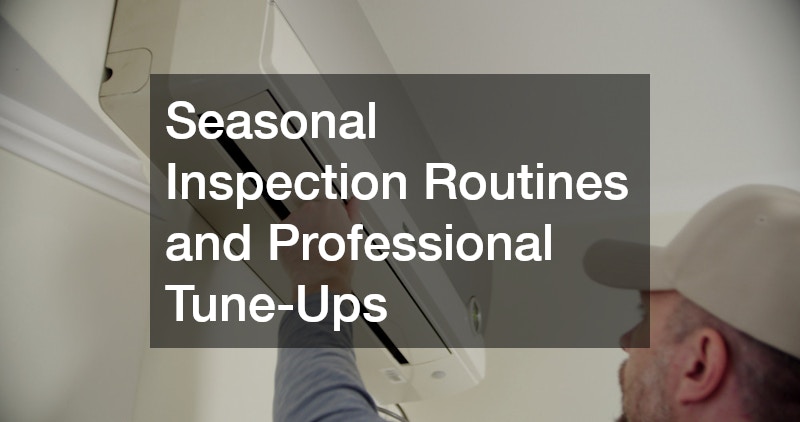
While homeowner habits maintain daily baseline health, specialized technical inspections are vital for catching subtle electrical corrosion, refrigerant imbalances, or ignition issues that cannot be identified visually.
Scheduling Pre-Season Inspections Before Peak Weather Hits
Professional inspections should ideally occur twice a year: once in the spring before heavy cooling demands begin, and once in the autumn before heating demands take over. Key areas addressed during a professional evaluation include:
-
Electrical Component Testing: Technicians test capacitors, tighten wire connections, and measure voltage or amperage draw to prevent sudden electrical shorts and motor failures.
-
Coil Maintenance: Chemical cleaning of evaporator and condenser coils restores proper heat transfer and prevents heavy compressor strain.
-
Refrigerant Level Checks: Measuring subcooling and superheat levels detects micro-leaks early, preventing compressor overheating caused by low refrigerant.
-
Burner and Heat Exchanger Audits: Inspecting flame patterns and checking heat exchangers for micro-cracks ensures safe operation and prevents dangerous carbon monoxide issues.
Managing Moisture, Drainage Lines, and Condensate Pans
Cooling systems extract immense volumes of moisture from indoor air during humid summer months. Managing this liquid waste correctly is critical to avoiding extensive property damage and component corrosion.
-
Flush condensate drain lines periodically with plain warm water or white vinegar to dissolve algae buildup and prevent clogs.
-
Ensure the primary drain pan is clean and draining freely without pooling water.
-
Test safety float switches annually; these secondary safety devices shut the system down harmlessly if a drain line backs up, preventing water overflow onto critical electrical parts or interior ceilings.
Investing in a thorough ac tune up prior to summer heat ensures your cooling hardware remains clean and balanced. Similarly, scheduling a dedicated Heating service in the fall gives you peace of mind that your furnace or heat pump is ready to run safely and reliably all winter long.
Knowing When to Repair vs. Upgrade Aging Equipment
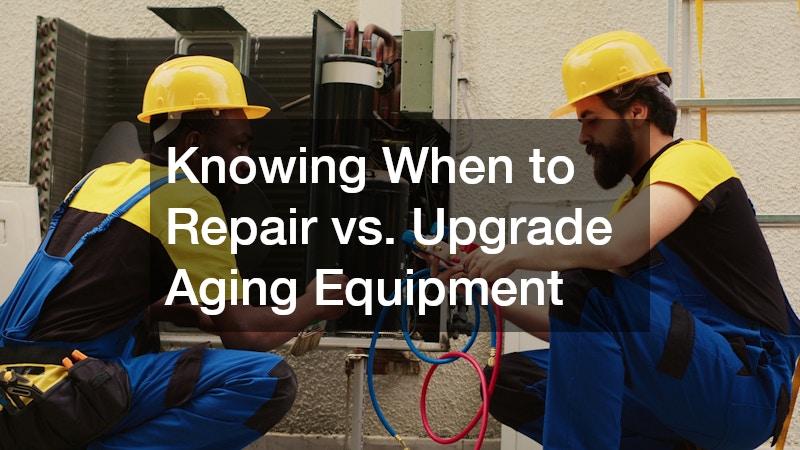
Even well-maintained equipment eventually reaches the end of its useful design life. Understanding how to weigh the cost of ongoing maintenance against the long-term value of new technology empowers homeowners to make informed financial decisions.
Applying the 5,000 Rule to Evaluate Repair Expenses
A practical industry guideline for evaluating older equipment is multiplying the age of the unit in years by the estimated cost of a required repair.
-
Evaluating the Output: Multiply your system’s age in years by the estimated repair cost. If the calculated result exceeds 5,000, investing that money toward modern, energy-efficient equipment is usually more cost-effective than patching an aging system.
-
Recognizing Terminal Symptoms: Frequently failing capacitors, noisy compressors, uneven temperature distribution across rooms, and steadily climbing utility bills all signal that internal components are suffering systemic wear.
Planning for Modern High-Efficiency Upgrades
When an old machine becomes unreliable, replacing it with a modern system offers immediate efficiency improvements. Newer variable-speed technology adjusts output incrementally to match current weather conditions, eliminating the harsh stress of full-power start-stop cycles. Older single-stage units operate strictly at 100% capacity whenever they kick on, which draws heavy electrical current, causes noticeable indoor temperature swings, and wears down mechanical parts at an accelerated rate. In contrast, modern inverter-driven compressors modulate seamlessly, keeping room temperatures extraordinarily stable while consuming significantly less electricity.
Beyond basic energy savings, upgrading your equipment allows you to take advantage of advanced indoor environmental controls. Modern setups integrate smoothly with smart home ecosystems, multi-zone damping systems, and high-capacity dehumidification modules, ensuring every room receives exact airflow based on occupancy and sun exposure.
Modern equipment utilizes updated refrigerants that comply with current environmental standards, eliminating the high cost of servicing phased-out chemical refrigerants. Right-sizing new machinery ensures the equipment matches the exact square footage and insulation profile of your home, preventing short-cycling caused by oversized units. Technicians perform precise load calculations that account for window placement, ceiling height, and local climate patterns rather than relying on outdated rules of thumb.
When repairs become frequent and expensive, planning for an ac replacement allows you to select high-efficiency equipment calmly rather than making an emergency decision during a heatwave. Professional ac installations ensure new equipment is calibrated correctly from day one, maximizing efficiency and setting the foundation for years of trouble-free operation.
Selecting Qualified Technical Partners for Long-Term Care
The longevity of home comfort equipment is directly tied to the technical quality of its installation and ongoing maintenance. Even the highest-grade machinery will fail prematurely if installed incorrectly or serviced without proper technical precision.
Vetting Licensed and Insured Local Professionals
Partnering with trained, certified technicians ensures that diagnostic procedures follow manufacturer specifications and local building codes. Poor installation practices—such as improper airflow calculations, incorrect refrigerant charging, or faulty electrical wiring—can reduce overall operational lifespan by up to 50 percent. When an installer fails to balance static pressure or uses improper line-set soldering techniques, the resulting internal stress quietly degrades the compressor long before the manufacturer warranty expires.
Finding a trustworthy service provider requires evaluating their business practices, safety protocols, and client track record. A dedicated professional invests in ongoing training to stay current with evolving variable-speed technology, modern A2L refrigerants, and digital diagnostic tools. They take the time to evaluate your entire home system rather than simply swapping out hardware and leaving.
When selecting a long-term service partner, keep these key credentials in mind:
-
Certifications: Look for NATE (North American Technician Excellence) or similar industry credentials, indicating advanced technical training.
-
Comprehensive Warranties: Verify that the provider stands behind their workmanship with clear labor warranties alongside manufacturer parts guarantees.
-
Transparent Diagnostics: Choose technicians who provide written explanations and clear diagnostic measurements before performing major repairs.
Working with a reliable HVAC company establishes a detailed service history for your equipment, making it easier to track past maintenance and predict future component needs. Establishing a strong relationship with certified HVAC contractors ensures that every adjustment made to your equipment adheres to rigorous industry standards.
Maximizing Property Value Through Diligent System Care
Taking a proactive approach to caring for your home comfort systems yields substantial rewards over time. By executing simple DIY maintenance tasks, optimizing your home’s thermal efficiency, and partnering with qualified professionals for routine inspections, you protect internal components from unnecessary wear and tear. Well-maintained climate control infrastructure does far more than deliver daily comfort; it serves as a major selling point that safeguards overall property value. Prospective buyers consistently prioritize homes with documented, flawless service histories, knowing they will avoid immediate capital outlays after closing.
Extending the operational life of your equipment reduces monthly energy expenses, minimizes unexpected mechanical failures, and defers major capital outlays for years. Furthermore, consistent system care prevents hidden structural damage caused by undetected condensate leaks or dangerous safety hazards like cracked heat exchangers. System longevity is not a matter of luck; it is the direct result of consistent care, smart operational habits, and timely maintenance. Investing a small amount of time and effort today ensures your home remains a safe, comfortable, and efficient haven for years to come.