There are few moments in homeownership more deeply stressful than waking up to the sound of rushing water where there shouldn’t be any, or realizing the furnace has died on the coldest night of the year. The sheer panic that sets in during a home emergency is entirely valid. Your home is your sanctuary, and when its essential systems fail, it feels like an immediate threat to your family’s safety and your financial stability. It is completely normal to feel overwhelmed when faced with a sudden, catastrophic breakdown.
However, giving in to that panic is the most expensive mistake you can make. In the world of home infrastructure, the first ten minutes of an emergency often dictate the final cost of the repair. Hesitation, frantic searching, or simply staring at the problem wastes critical time while water ruins your drywall or dropping temperatures threaten your pipes. To protect your property, you must shift your mindset from a state of panic to a state of mechanical, proactive control. You are the first responder in your own home, and your initial actions determine whether an event is a minor inconvenience or a major structural disaster.
The reality of owning a property is that these systems will eventually fail; it is not a matter of if, but when. The purpose of this comprehensive guide is to equip you with the exact, step-by-step protocols you need to handle these sudden crises. By learning how to systematically shut off your utilities, manage indoor flooding, survive extreme climate control failures, and safely address hazardous waste systems, you will strip the fear out of homeownership. You will learn how to act decisively, mitigate the damage, and bridge the gap until professional help arrives.
Stop the Damage: Locate and Control Your Main Shut-Off Valves
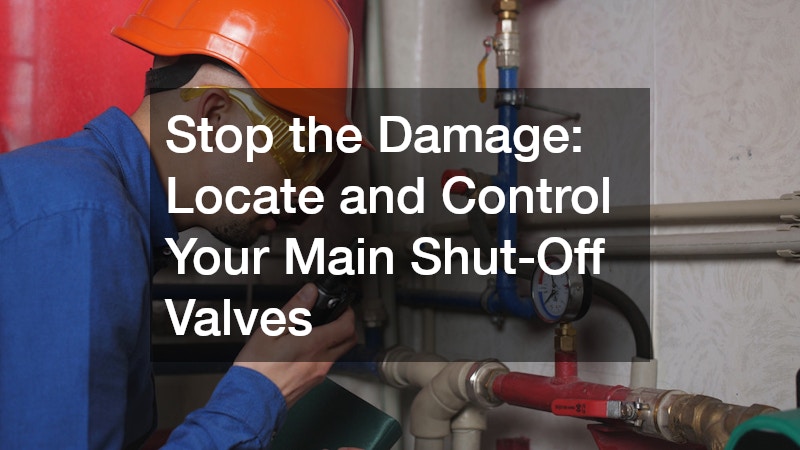
The most destructive force in your home is uncontrolled water. A burst pipe can release hundreds of gallons of water into your living space in a matter of minutes, destroying hardwood floors, soaking through subfloors, and creating the perfect environment for toxic mold growth. When water is actively destroying your home, you do not have time to watch a tutorial video or hunt for tools. You must know exactly how to kill the water supply instantly.
Do not wait for a flood to figure out how your house works. Your first actionable step as a homeowner is to go to the hardware store, buy bright, highly visible tags, and physically label your main water shut-off valve, the water heater isolation valve, and your gas shut-off valve. Show every adult in the household exactly where these are located and how to operate them.
When a leak occurs, you must determine whether to isolate the problem or shut down the entire house:
- Isolation Valves: If a toilet is overflowing or the supply line under the kitchen sink suddenly snaps, you do not need to turn off the water to the whole house. Look for the small, oval-shaped knob (the angle stop) located on the wall directly behind the fixture or under the cabinet. Turn this knob clockwise as tightly as possible to stop the flow of water strictly to that specific fixture.
- Main Line Shut-Off: If water is pouring through a ceiling light fixture, bubbling up from under the floorboards, or spraying from a wall cavity, you have a hidden pipe burst. You must immediately run to your main water shut-off valve—typically located in a basement, a utility closet, or out by the street meter—and turn the valve clockwise to sever the water supply to the entire property.
- System Depressurization: Once the main valve is shut off, the pipes in your walls are still full of water, which will continue to leak out of the burst section. To stop this, immediately go to the lowest faucet in your home (often a basement sink or an exterior garden hose bib) and turn it on completely. This allows the remaining water in the system to drain out harmlessly at the bottom rather than through the hole in your ceiling.
Once the immediate flooding is stopped and the system is depressurized, the emergency is paused. You can now take a breath, mop up the standing water, and contact a reputable plumbing company to assess the situation. Standard residential plumbers are perfectly equipped to come in, open up the damaged section of drywall, and professionally repair these interior pipe bursts and fixture failures safely and permanently.
Mitigate Water Damage from Stubborn Indoor Backups
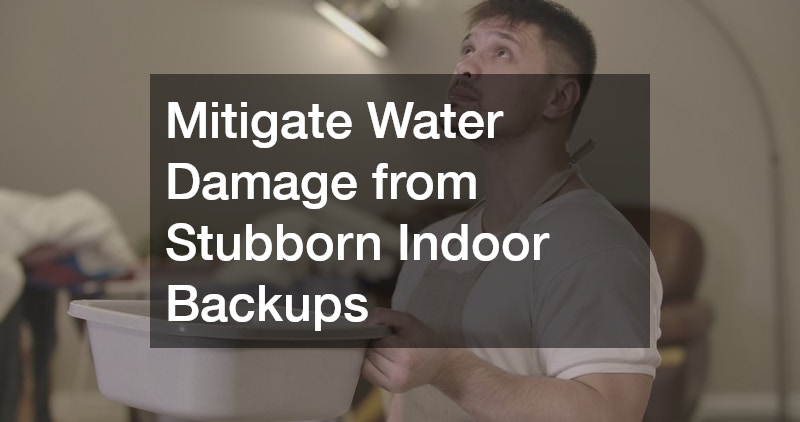
While a pressurized pipe burst is dramatic, a slow, stubborn drain backup can be equally destructive and deeply unsanitary. When a kitchen sink refuses to drain, or worse, when flushing a toilet causes wastewater to back up into the bathtub, your home’s drainage infrastructure has failed.
The immediate instinct for many homeowners is to run to the store, buy a gallon of harsh liquid chemical cleaner, and pour it into the standing water. You must never do this. Chemical cleaners rely on a chemical reaction that creates intense heat to burn through organic matter. If a sink is completely stopped up, the chemical will not reach the clog. Instead, it will sit in your pipes, generating heat that can melt older PVC joints or corrode older metal traps. More importantly, it creates a toxic, caustic puddle of acid that is incredibly dangerous for whoever has to manually open the pipes later.
Instead of chemicals, you must rely on physics and proper tools to manage backups:
- The Correct Plunger: Plungers are not one-size-fits-all. A standard cup plunger (which looks like a simple rubber half-sphere) is only meant for flat surfaces like kitchen and bathroom sinks. For a toilet, you must use a flange plunger, which has an extended rubber lip designed to fit deeply into the curve of the toilet trap to create a proper vacuum seal.
- The Plunging Technique: Plunging is not about pushing the clog further down; it is about utilizing hydrostatic pressure to break the clog apart. Ensure there is enough water in the bowl or sink to cover the rubber bell of the plunger. Push down gently to expel the air, then pull up sharply. It is the upward suction motion that usually dislodges the obstruction.
- Extracting Standing Water: If a toilet has overflowed onto the floor, immediately lay down thick towels to create a dam. Utilize a wet/dry shop vacuum to extract standing water from the tile before it has a chance to seep under the baseboards and warp the adjacent hardwood floors or soak into the subfloor.
When multiple sinks or tubs in the home are backing up simultaneously, the issue is not a localized clog in a single p-trap. You are dealing with deep drain blockages that have formed in the main trunk line of your home’s wastewater system. Plunging and simple hand snakes will not fix this. This scenario requires professional drain cleaning, where a technician will utilize heavy-duty motorized augers or high-pressure hydro-jetting equipment to scour the inside of the main line and push the heavy obstruction out to the municipal sewer.
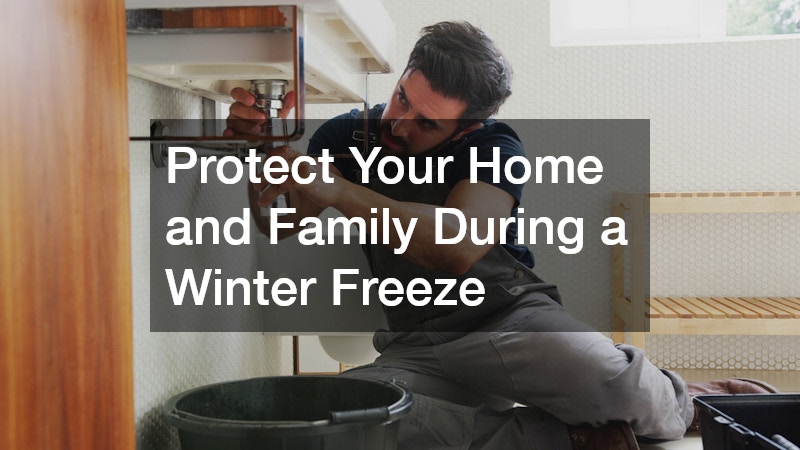
Protect Your Home and Family During a Winter Freeze
Losing your heating system during the mild days of autumn is an inconvenience; losing it during a sub-zero winter freeze is an absolute emergency. When the temperature plummets and your furnace goes silent, the clock starts ticking. Not only is your family at risk of severe cold exposure, but the water resting inside the pipes running through your exterior walls and attic will begin to freeze. As water freezes, it expands with immense force, shattering copper and PVC pipes alike, guaranteeing a catastrophic flood the moment the home thaws out.
If your heat fails during a freeze, your first physical action should be to immediately open all the cabinet doors under your kitchen and bathroom sinks. This simple step allows the ambient heat still lingering in the house to reach the uninsulated pipes located against the cold exterior walls, buying you precious time and helping to prevent them from bursting.
Before making a frantic phone call, walk through a quick troubleshooting checklist:
- Check the Thermostat: Verify that the thermostat has power. If the screen is blank, replace the batteries immediately. Sometimes, a “dead” furnace is simply a thermostat that has lost its ability to communicate.
- Inspect the Breaker Panel: Go to your electrical panel and locate the breaker for the furnace. Even gas furnaces require electricity to run the blower motor and the ignition sequence. If the breaker is tripped, flip it firmly off, then back on.
- Clear the Exhaust: If you have a high-efficiency furnace, go outside and locate the PVC intake and exhaust pipes protruding from the side of your house. If a snow drift has covered these pipes, the furnace’s safety sensors will shut the entire unit down to prevent carbon monoxide from backing up into the house. Clear the snow away and restart the system.
If these troubleshooting steps fail, you must utilize safe secondary heating while you wait for a technician. Electric space heaters are safe for temporary use, provided they are plugged directly into a wall outlet (never an extension cord) and kept at least three feet away from any combustible materials like curtains or bedding. You must never use a gas oven, a camping stove, or an unvented propane heater to warm your home. These appliances consume oxygen and emit lethal carbon monoxide gas, which is odorless, invisible, and highly deadly. A dead furnace in sub-zero temperatures is a genuine life-safety issue, meaning you must immediately call for emergency heating repair to restore the climate control before your home’s internal infrastructure shatters from the ice.
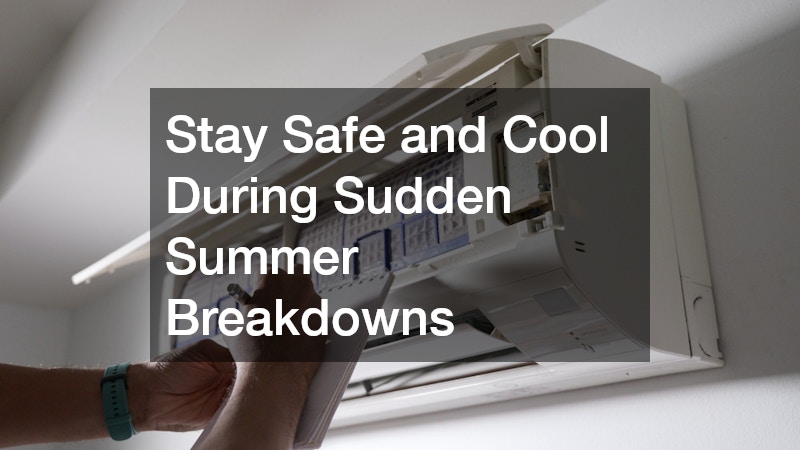
Stay Safe and Cool During Sudden Summer Breakdowns
On the opposite end of the extreme weather spectrum, a sudden air conditioning failure during a mid-summer heatwave can turn your home into an unbearable, dangerous greenhouse. While a lack of air conditioning is rarely as destructive to the home’s infrastructure as a freezing pipe, it poses a severe health risk to the elderly, infants, and pets who are highly susceptible to heat exhaustion and heat stroke.
When your cooling system suddenly stops blowing cold air, or stops blowing entirely, the issue is often related to airflow restrictions or electrical trips rather than a catastrophic mechanical death.
Just like with your furnace, you should attempt to troubleshoot the issue before resigning yourself to a miserable, sweaty night:
- The Breaker Reset: The outdoor condenser unit draws a massive amount of electricity when the compressor kicks on. During heat waves, the strain on the electrical grid or a slight power surge can easily trip the dedicated breaker. Go to your panel, flip the cooling system breaker completely off, wait ten seconds, and flip it firmly back on.
- The Frozen Coil: Go to your indoor air handler and pull out the air filter. If the filter is caked in a thick layer of dust and pet hair, it has effectively choked the system. This severe airflow restriction causes the indoor evaporator coil to drop in temperature until the ambient condensation freezes, turning the coil into a solid block of ice. If you see ice, turn the cooling function off at the thermostat and turn the fan to “On” to melt the ice, then replace the filter.
- Managing Indoor Heat: While waiting for the system to recover or for help to arrive, you must physically manage the indoor temperature. Keep all blinds and heavy curtains tightly closed on the sun-facing sides of the house to block solar heat gain. Do not use your oven or stove, which pump massive amounts of heat into the living space. Ensure your ceiling fans are running counter-clockwise to push air straight down, creating a wind-chill effect on your skin.
In many cases, scheduling routine ac services in the early spring—where a technician cleans the outdoor coils, checks the refrigerant levels, and calibrates the blower—can entirely prevent these sudden, high-stress summer failures. However, if your outdoor unit is decades old, makes a horrific grinding noise, and the compressor has completely seized, no amount of troubleshooting will fix it. In that scenario, you will likely be facing a full air conditioner replacement to restore safe, reliable cooling to your home.
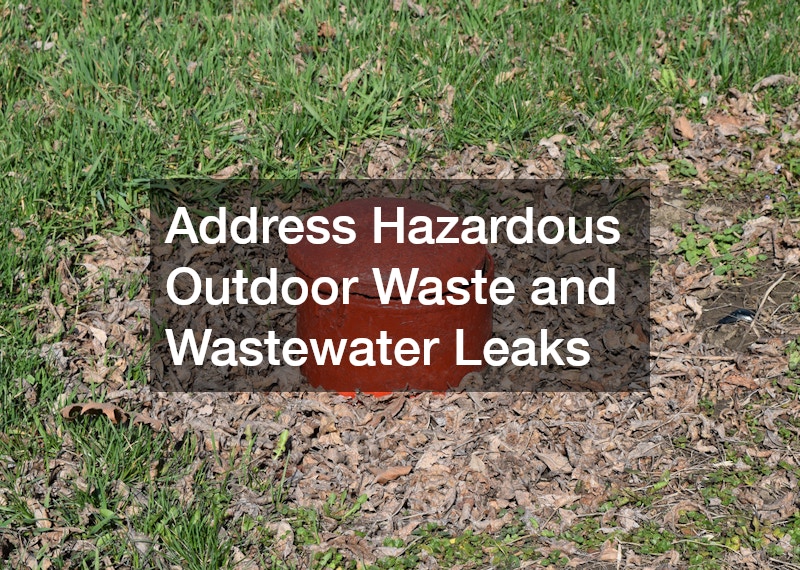
Address Hazardous Outdoor Waste and Wastewater Leaks
Not all home emergencies happen inside the walls. Some of the most severe, financially devastating, and biologically hazardous emergencies occur buried beneath the dirt in your front or back yard. When the underground infrastructure responsible for carrying fresh water into your home or carrying wastewater away from your home fails, the resulting mess requires immediate, specialized intervention.
If you step into your yard and notice an unusually lush, incredibly green patch of grass that is perpetually soggy, or if you detect the distinct, foul odor of raw sewage, you have a major underground failure. This is not just a landscaping issue; it is an active biohazard. You must immediately quarantine the area, keeping all children and pets strictly away from the contaminated soil to prevent severe illness.
Identifying the specific source of the leak dictates your next steps:
- Freshwater vs. Wastewater: If the soggy area has no smell and your water meter at the street is constantly spinning even when all faucets are off, you have a broken main water supply line or a ruptured irrigation pipe. If the area smells like sulfur and waste, and your indoor toilets are simultaneously gurgling or draining slowly, your main waste line has collapsed or backed up.
- Determining Responsibility: It is vital to understand where your municipality’s responsibility ends and your personal financial responsibility begins. In most cities, the utility company is only responsible for the infrastructure up to the property line or the meter. Any pipes running from the meter to your house, or from your house to the city sewer tap in the middle of the street, belong entirely to you.
The type of repair required depends entirely on how your home manages waste. If your home is tied to the city grid and the clay or cast-iron pipe leading to the street has been crushed by tree roots, you will need to hire a company that provides heavy-duty sewer repair services to excavate the trench, remove the destroyed pipe, and lay down new PVC lines. Conversely, if you live in a rural area that is not connected to a municipal grid, your home relies on a private underground tank and leach field. When this system backs up into your yard, you will need to call dedicated septic services to pump out the overflowing tank, inspect the baffles, and repair the saturated leach field to restore the safe processing of your household waste.
Assemble a Reliable Network of Home Repair Experts
The absolute worst time to look for a reliable tradesperson is at 2:00 AM on a Sunday morning when water is actively pouring through your kitchen ceiling. In a state of panic, you are highly likely to click on the first advertisement you see on your phone, agree to exorbitant emergency fees, and hire a company without checking their background or reviews.
You must vet your home repair professionals on a sunny, stress-free Tuesday afternoon. Take the time to research local companies, read their verified reviews, and ask your neighbors for recommendations. Once you have identified trustworthy professionals, type their names and emergency contact numbers on a piece of paper and tape it to the inside of your utility closet door, right next to your main shut-off valves.
When vetting these professionals, it is imperative to verify their credentials. You must ensure that anyone performing major work on your property is fully licensed, bonded, and insured. If an uninsured worker accidentally drops a water heater down your stairs or gets injured while digging a trench in your yard, you, as the homeowner, can be held personally liable for the damages and medical bills. Furthermore, understand the scope of their abilities. While a local handyman is fantastic for patching drywall or replacing a standard toilet flapper, major structural pipe excavations or whole-house repiping jobs require hiring a licensed plumbing contractor to ensure the complex work is engineered correctly, permitted by the city, and completed strictly to municipal code.
Conclusion
Embracing the reality of homeownership means accepting that unexpected breakdowns, leaks, and mechanical failures are inevitable. However, the anxiety associated with these events drops dramatically when you approach them with a proactive, educated mindset. You do not need to be a master tradesperson to protect your home; you simply need to understand the basic mechanics of how your property functions and how to halt a disaster in its tracks.
Surviving a home emergency ultimately comes down to knowing exactly where to shut off the utilities, managing the immediate environmental threats to your family’s safety, and having a pre-vetted list of professionals ready to take over the heavy lifting. By taking control of the first ten minutes of a crisis, you protect your finances, preserve your property, and ensure your home remains a safe sanctuary regardless of what goes wrong behind the walls.