
The process of building a dwelling from the ground up is often described as one of the most stressful yet rewarding experiences a person can undertake. It begins not with a hammer or a nail, but with a vision. This vision usually starts while standing on a raw, untouched piece of land, imagining where the front door will sit or how the morning sun will hit the kitchen windows. However, moving from a vacant lot to a fully realized luxury residence requires a meticulous roadmap. Every step, from the initial site assessment to the final decorative touches, must be executed with precision to ensure the structural integrity and aesthetic appeal of the property.
Building a home is essentially an exercise in logistics and project management. It requires a deep understanding of local zoning laws, environmental factors, and the complex sequence of trades that must work in harmony. While many people focus on the interior finishes, the real work happens long before the paint dries. It starts with the foundation and the fundamental systems that keep a house functioning. A successful project is the result of thousands of small decisions, each building upon the last. By following a comprehensive checklist, homeowners can navigate the complexities of construction while avoiding the common pitfalls that lead to budget overruns and timeline delays.
Evaluating the Terrain and Initial Preparation
Before any architectural plans can be finalized, the land itself must be thoroughly evaluated. This involves more than just checking the property lines. A professional surveyor must mark the boundaries, while an environmental engineer may need to test the soil for stability and drainage capacity. Understanding how water flows across the property is crucial, as this dictates where the foundation can be poured and how the septic or sewer lines will be routed. If the land is heavily wooded or overgrown, the first major physical step is the engagement of land clearing services to remove obstructions.
This stage is about creating a blank canvas. It is not just about removing trees; it is about grading the earth to ensure that water moves away from the future structure. Proper excavation and leveling prevent a host of issues down the line, such as basement flooding or foundation settling. During this phase, the heavy machinery does the heavy lifting, preparing the site for the utility trenches that will eventually carry water, gas, and power to the home. It is a noisy, messy, but absolutely essential part of the timeline that sets the tone for the entire build.
Designing for a Lifetime of Comfort
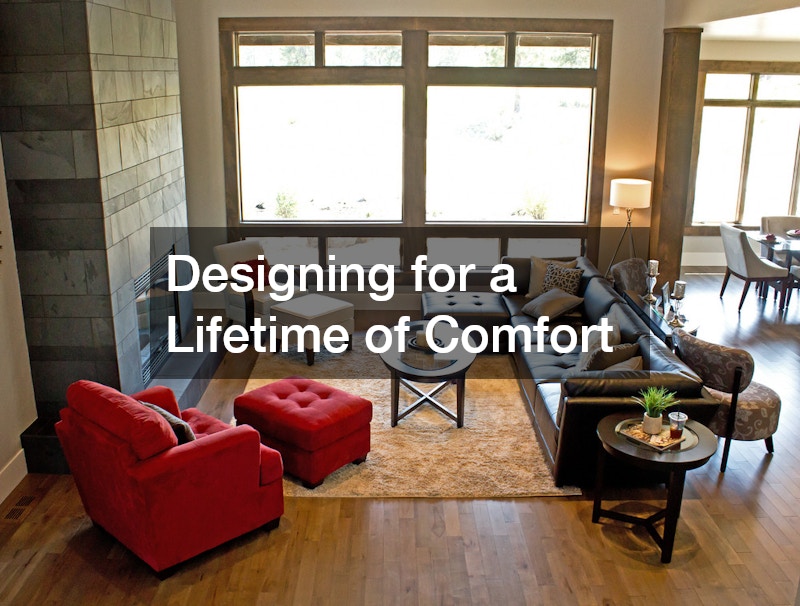
Once the site is prepared, the focus shifts to the architectural design. This is the stage where the abstract vision becomes a technical reality. Designing custom homes offers a level of freedom that renovation projects simply cannot match. Every room can be oriented to capture specific views, and the floor plan can be tailored to the exact lifestyle of the residents. Whether it is a dedicated home theater, a professional-grade kitchen, or a sprawling master suite, the design phase is the time to prioritize functionality alongside luxury.
Working with an architect or a design-build firm allows for the integration of modern building science. High-efficiency insulation, passive solar heating, and smart home technology can be baked into the blueprints rather than added as afterthoughts. The goal is to create a space that feels cohesive. This means considering how each room flows into the next and how the interior spaces interact with the surrounding landscape. A well-designed home is more than just a collection of rooms; it is a machine for living that should be as durable as it is beautiful.
Securing the Structural Shell
With the blueprints in hand and the foundation poured, the skeleton of the house begins to rise. Framing is a transformative period where the scale of the project becomes visible. Once the walls are up and the rafters are in place, the priority shifts to making the structure “weather-tight.” This is where the choice of materials becomes critical for long-term protection. Installing high-quality residential roofing is the primary defense against the elements. Whether selecting architectural shingles, metal panels, or slate tiles, the roof must be installed with careful attention to flashing and ventilation to prevent moisture buildup in the attic.
A roof does more than just keep the rain out; it contributes to the energy efficiency of the home by reflecting heat and allowing for proper airflow. At the same time, the exterior walls are wrapped and the windows are installed. This “envelope” must be airtight to ensure that the climate-control systems can operate efficiently. Even at this early stage, the focus is on longevity. Choosing materials that can withstand the local climate–whether that means heavy snow loads or intense summer sun–is a hallmark of a high-quality build.
Managing Water and Drainage Systems
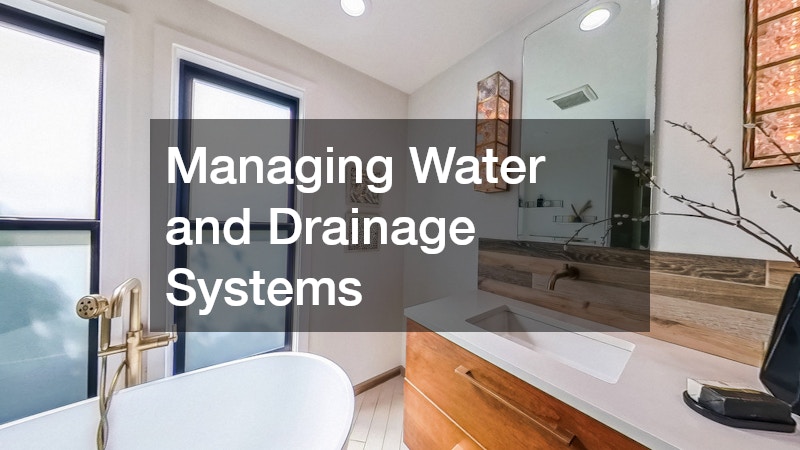
As the exterior of the house nears completion, the focus turns to the finer details of moisture management. It is often the smallest components that provide the most significant protection. Gutters are a perfect example. Without a functioning drainage system, rainwater can cascade off the roof and erode the soil near the foundation, eventually leading to cracks and leaks. To ensure that these systems remain functional year-round, many homeowners choose to install gutter guards during the initial build. These covers prevent leaves and debris from clogging the channels, ensuring that water is always directed safely away from the house.
This proactive approach to maintenance is what separates a luxury build from a standard one. By integrating these systems early, you reduce the need for future ladder climbs and emergency cleanings. It also protects the investment made in landscaping and exterior masonry. When water is controlled and directed, the entire property stays drier and cleaner, which preserves the integrity of the siding and the foundation. It is a simple addition that pays dividends in the form of reduced maintenance and peace of mind.
The Internal Nervous System of the Home
While the exterior is being finished, a flurry of activity happens inside the walls. This is the “rough-in” phase, where the plumbing, mechanical, and electrical systems are installed. It is the most technical part of the checklist. Every outlet, switch, and light fixture must be placed according to the electrical code and the specific needs of the homeowner. Professional installation at this stage is vital to ensure safety and to minimize the risk of needing an electrical repair shortly after moving in.
A modern home requires a sophisticated power grid. From high-voltage lines for kitchen appliances to low-voltage wiring for security systems and the internet, the electrical plan is dense. This is also the time when the HVAC ductwork is run through the ceilings and floors. Everything must be inspected by local authorities before the drywall can be hung. This ensures that the “guts” of the house are up to standard. Once the walls are closed, these systems are hidden from view, but they are the most important factors in the daily comfort and safety of the residents.
Crafting High-End Interior Spaces

With the structural and mechanical work complete, the house finally begins to feel like a home. The drywall is finished, the floors are laid, and the cabinetry is installed. The kitchen and bathrooms are typically the most expensive and complex rooms in the house, requiring a high level of craftsmanship. For the master bath and guest suites, hiring specialist bathroom remodelers even during a new build can ensure that the tile work, plumbing fixtures, and glass enclosures are installed with a level of detail that general laborers might overlook.
These wet rooms require specific attention to waterproofing and ventilation. A luxury bathroom is a sanctuary, often featuring heated floors, steam showers, and custom vanities. The coordination between the plumber, the tile setter, and the electrician must be seamless to avoid errors. When these elements come together correctly, they create a sense of refined elegance that defines a luxury property. The choice of finishes–from marble countertops to brushed brass hardware–reflects the personal style of the homeowner and adds significant value to the residence.
Navigating the Partnership with Professionals
Building a home is not a solo endeavor. It requires a partnership with a variety of experts who can translate ideas into reality. Selecting a reputable home renovation company to act as the general contractor or project manager is perhaps the most important decision a homeowner will make. This entity is responsible for vetting subcontractors, pulling permits, and keeping the project on schedule. They serve as the central point of communication, ensuring that the vision established in the design phase is not lost during the construction process.
A good contractor brings a wealth of experience to the table, often anticipating problems before they arise. They understand the nuances of the local market and have established relationships with suppliers and tradespeople. This oversight is what keeps a project from spiraling out of control. When the communication between the homeowner and the management team is transparent, the process becomes a collaborative journey rather than a series of confrontations. This professional guidance is essential for maintaining the high standards required for a luxury build.
Long-Term Vision and Structural Flexibility
Even as a new home is being finished, it is wise to think about the future. Needs change over time; families grow, and lifestyles evolve. A well-built home should be designed with the potential for future home remodeling in mind. This might mean framing an attic so it can be finished later, or ensuring that the plumbing is accessible for future modifications. Building in this kind of flexibility prevents the home from becoming obsolete as the years pass.
It is also important to document the build thoroughly. Taking photos of the wiring and plumbing before the drywall goes up is an invaluable resource for future owners or for any subsequent work. Knowing exactly where the studs are or where a gas line runs can save thousands of dollars during a future upgrade. A luxury home is a long-term asset, and treating it as a living, evolving structure ensures that it remains functional and desirable for decades. This forward-thinking mindset is a hallmark of sophisticated property ownership.
Creating an Outdoor Oasis

The transition from the interior to the exterior should be seamless. In a luxury home, the outdoor living space is treated with the same level of care as the living room. This often begins with a professional patio installation using high-quality stone or pavers. This area serves as an extension of the home, providing a space for dining, entertaining, or simply relaxing by a fire pit. The layout of the patio should take into account the natural topography of the lot and the primary views.
Outdoor spaces also require infrastructure. This might include outdoor kitchens with gas lines, integrated lighting, and sound systems. The goal is to create a multi-seasonal environment that encourages people to spend time outside. By treating the backyard as a series of “rooms,” the total usable square footage of the property increases significantly. This is the stage where the raw land that was cleared at the beginning of the project is finally transformed into a manicured, functional landscape that complements the architecture of the house.
Comfort and Style in the Open Air
To make the outdoor spaces truly usable throughout the day, climate control must be considered. While a patio provides the floor, the overhead elements provide the comfort. The addition of residential awnings can transform a hot, sun-drenched deck into a cool, shaded retreat. These features allow for better temperature regulation both outside and inside the home, as they can block solar heat gain through large glass doors and windows.
Awnings come in various styles, from retractable motorized versions to permanent metal structures. They add a layer of architectural interest to the exterior while serving a very practical purpose. When combined with landscaping and comfortable furniture, these elements complete the “luxury living” aspect of the project. It is the final layer of the build, where the focus shifts from structural integrity to the pure enjoyment of the environment. The result is a home that feels complete, cohesive, and perfectly situated on its plot of land.
Final Inspections and Moving In
As the project nears the finish line, a final “punch list” is created. This is a list of small tasks and touch-ups that need to be completed before the homeowner officially takes possession. It might include adjusting a cabinet door, touching up paint, or ensuring that every light switch works as intended. This phase also includes the final inspections by the building department to obtain a Certificate of Occupancy. This document is the legal proof that the home is safe and meets all local building codes.
Moving into a custom-built home is a momentous occasion. It represents the culmination of months, or even years, of planning and hard work. The transition from a raw piece of land to a luxury residence is complete. While the construction process may be over, the journey of homeownership is just beginning. By following a structured approach and working with the right professionals, the end result is a property that provides comfort, security, and pride for many years to come. The initial vision has been realized, and the raw land has finally become a home.