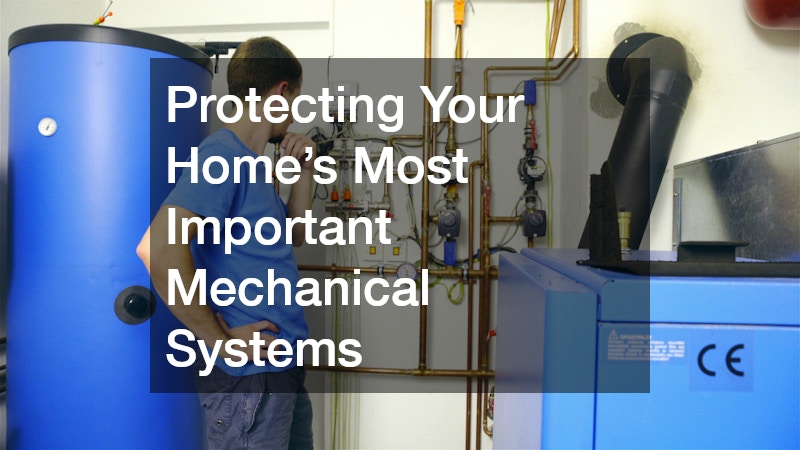
Your home’s mechanical systems provide many of the comforts and conveniences you rely on every day. From maintaining comfortable indoor temperatures to delivering clean water and reliable hot water, these systems work behind the scenes to keep your household functioning smoothly. Because most of these components operate year-round, they naturally experience wear and tear. Without proper care, small issues can quickly escalate into major repairs that affect your comfort, safety, and budget.
Many homeowners focus on visible maintenance tasks, such as landscaping, painting, and roof repairs, while overlooking the equipment hidden in basements, utility rooms, crawl spaces, and mechanical closets. However, protecting these systems is one of the most effective ways to avoid unexpected expenses and extend the lifespan of valuable equipment. A proactive maintenance strategy can help you identify potential concerns early, improve efficiency, and reduce the likelihood of costly emergencies.
Understand What Systems Need the Most Attention
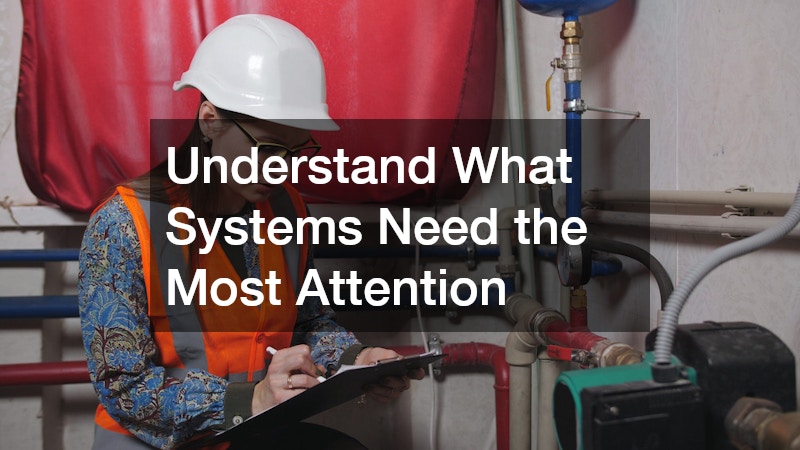
The first step in protecting your home’s mechanical systems is understanding which components require ongoing monitoring. Every home is different, but most rely on several key systems that should be inspected and maintained regularly. These include heating and cooling equipment, plumbing infrastructure, water-heating systems, and water-supply equipment.
When homeowners are unfamiliar with the age or condition of these systems, it becomes difficult to anticipate future repairs or replacement needs. Creating a simple inventory of major equipment can help you stay organized and make informed decisions.
Important information to track includes:
- Equipment age and estimated lifespan based on manufacturer recommendations.
- Dates of previous inspections, repairs, and maintenance visits.
- Warranty documentation and model information.
- Notes regarding recurring issues or performance concerns.
Keeping these records allows homeowners to establish a long-term maintenance strategy rather than waiting until a failure occurs.
One of the most important areas to monitor is your heating and cooling system, which often represents one of the most heavily used mechanical investments in the home. Staying current with HVAC maintenance helps identify worn components, airflow restrictions, and efficiency losses before they turn into system failures. When HVAC services are performed consistently, technicians can also spot developing electrical or mechanical issues that homeowners might not notice during daily use.
Plumbing systems also deserve close attention because they operate continuously throughout the home. Pipes, fixtures, and drainage lines can develop slow leaks or hidden weaknesses over time. Without regular inspection and timely plumbing repair, even small issues can lead to water damage, mold growth, or structural concerns. Monitoring usage patterns and checking visible plumbing connections can help reduce long-term risk.
Water heating equipment is another critical system that should not be overlooked. Many homeowners only think about their water heater when hot water runs out, but gradual performance decline is often caused by sediment buildup or aging components. Scheduling professional water heater installation when replacement is needed ensures proper sizing and efficiency, reducing long-term operating costs and minimizing unexpected breakdowns.
Homes that rely on private water systems should also pay attention to pump performance and water delivery consistency. Changes in pressure, flow interruptions, or unusual noises can indicate developing issues within the system. Routine pump service helps ensure reliable water delivery while preventing premature equipment failure and maintaining consistent household operation.
Plan Carefully Before Making Major Upgrades
When equipment begins showing signs of age or declining performance, many homeowners immediately start shopping for replacements. While replacing outdated systems can be beneficial, proper planning is essential to ensure long-term success.
Working with an experienced HVAC contractor can help homeowners determine whether repair or replacement is the better investment. A professional evaluation takes into account factors such as home size, insulation levels, energy usage, and comfort concerns. These details help identify solutions that align with the home’s specific needs rather than simply replacing equipment with a similar model.
Proper hvac installation also plays a major role in system performance. Even high-quality equipment can underperform if installation procedures are rushed or important details are overlooked. Incorrect sizing, poor airflow design, and inadequate ductwork can all reduce efficiency and shorten equipment lifespan.
Before committing to a major upgrade, homeowners should consider:
- Whether the current system is properly sized for the home.
- Opportunities to improve energy efficiency.
- Potential utility savings over time.
- Installation quality and contractor experience.
- Future maintenance requirements.
Thoughtful planning helps maximize the return on investment while reducing the likelihood of future problems.
Build Consistent Maintenance Habits Throughout the Year

One of the most effective ways to protect mechanical systems is through preventative maintenance. Many major equipment failures result from small issues that went unnoticed or unaddressed for extended periods.
Regular HVAC maintenance enables technicians to identify worn components, verify proper operation, and make adjustments before the peak heating and cooling seasons. Seasonal inspections often reveal developing issues that could otherwise lead to system failures during periods of heavy use.
In addition to professional service, homeowners can take several simple steps throughout the year to support system performance. Replacing air filters, keeping vents unobstructed, and monitoring indoor comfort levels can all contribute to improved efficiency and reduced equipment wear.
Professional HVAC services often include comprehensive inspections that evaluate electrical components, safety controls, airflow, and overall system performance. These evaluations provide valuable insight into equipment condition and help homeowners address concerns before they become expensive repairs.
Creating a maintenance schedule and sticking to it can dramatically improve reliability and extend the lifespan of critical equipment.
Protect Your Hot Water System From Premature Failure
Hot water is one of the most important conveniences in any home, yet water heating equipment is frequently overlooked until a problem develops. Unfortunately, waiting until there is no hot water often results in emergency repairs or replacement costs that could have been avoided.
Water heaters are in constant use, making regular inspections essential. Homeowners should periodically check for signs of corrosion, moisture, rust, or unusual noises. These warning signs often indicate developing issues that require attention.
Sediment buildup is another common problem. Minerals naturally present in water can accumulate inside the tank over time, reducing efficiency and forcing the system to work harder. Routine flushing helps remove sediment and maintain optimal performance.
When replacement becomes necessary, professional water heater installation can help ensure safe and efficient operation. Proper sizing is particularly important because an undersized unit may struggle to meet household demand, while an oversized unit may consume unnecessary energy.
Homeowners should also know when to contact a plumber for assistance. Prompt attention is recommended when experiencing:
- Persistent leaks around the unit.
- Significant reductions in hot water availability.
- Rust-colored water.
- Inconsistent water temperatures.
- Unusual sounds are coming from the tank.
Addressing these issues early can prevent more serious damage and extend equipment life.
Watch for Early Signs of Plumbing Problems
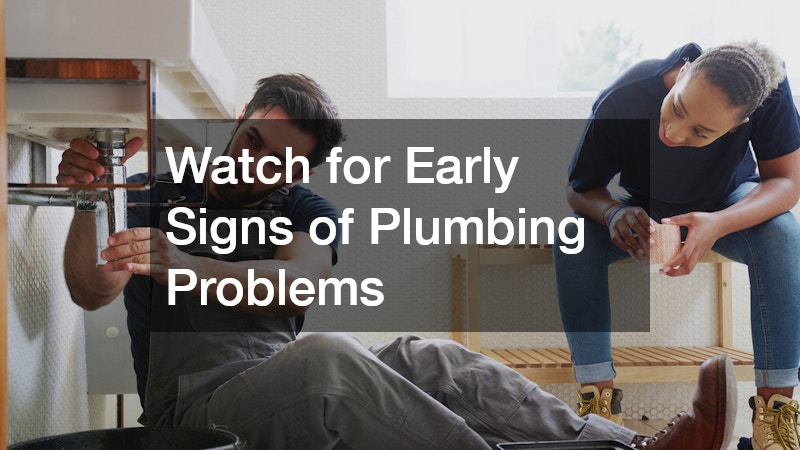
Many plumbing issues begin as small, seemingly harmless problems. A slow drip beneath a sink or a minor leak behind an appliance may not appear urgent at first, but even small amounts of water can cause significant damage over time.
Routine inspections of high-risk areas can help homeowners identify problems before they become costly repairs. Areas around sinks, toilets, washing machines, dishwashers, and water heaters deserve particular attention.
Early plumbing repair is often far less expensive than addressing water damage after it has spread throughout walls, flooring, or structural components. Moisture can also contribute to mold growth, which creates additional health and restoration concerns.
Some common warning signs include:
- Water stains on walls or ceilings.
- Persistent musty odors.
- Unexpected increases in water bills.
- Reduced water pressure.
- Slow-draining fixtures.
Taking action as soon as these issues appear can prevent extensive repairs and protect your home’s overall condition.
Pay Attention to Changes in Heating Performance
Homes with boiler systems require special attention to ensure reliable performance year-round. Boilers often provide warning signs long before a complete failure occurs, making early intervention critical.
A need for boiler repair may become apparent through unusual sounds, pressure fluctuations, leaks, or inconsistent heating performance. These symptoms should never be ignored because they often indicate underlying issues that can worsen over time.
Homeowners should monitor their heating systems for changes such as:
- Rooms that are no longer heating evenly.
- Increased operating noises.
- Frequent system cycling.
- Visible leaks or moisture around equipment.
- Unexpected increases in energy consumption.
Regular inspections help identify these concerns before they develop into larger problems. In many cases, prompt repairs can restore efficiency and prevent more expensive damage to critical components.
Delaying service may allow minor issues to escalate into major repairs that require significant time and expense to resolve.
Don’t Overlook Water Supply Equipment
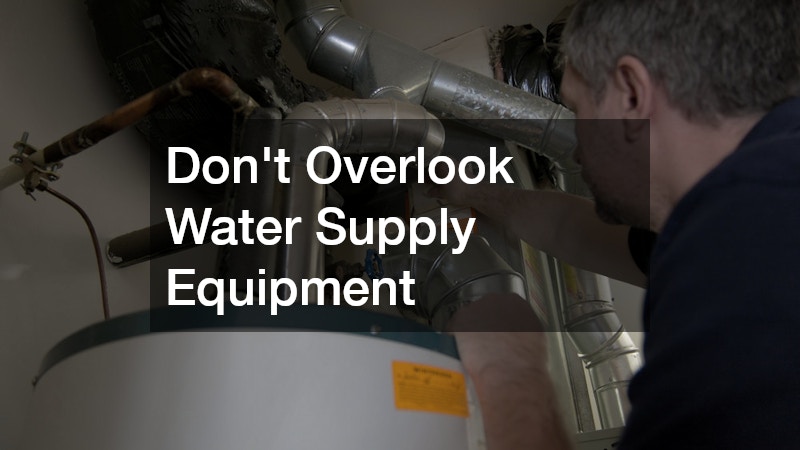
Many homeowners pay close attention to plumbing fixtures and water heaters while overlooking the equipment that delivers water throughout the property. Water supply systems are essential to daily life and deserve regular maintenance.
Changes in water pressure, inconsistent flow, or unusual operating sounds often indicate developing issues. These symptoms can signal problems with pumps, pressure tanks, or related components that require professional evaluation.
Scheduling routine pump service helps identify wear before a complete failure occurs. During an inspection, technicians can evaluate electrical components, pressure settings, and overall system performance to ensure reliable operation.
Ignoring minor concerns can place additional strain on equipment and increase the likelihood of unexpected breakdowns. Regular maintenance helps homeowners maintain dependable water service while extending the lifespan of important components.
Extend the Life of Your Water System
Homes that rely on groundwater often depend on a well pump to provide a consistent water supply. Because these systems operate frequently throughout the day, preventive maintenance is essential to maximize longevity.
Several factors can contribute to premature wear. Excessive cycling, electrical issues, pressure tank problems, and fluctuating water demand all place stress on pump components. Identifying these issues early can help prevent unexpected failures.
Homeowners should monitor for warning signs such as:
- Reduced water pressure.
- Air sputtering from faucets.
- Frequent pump cycling.
- Unusual noises.
- Unexpected increases in energy usage.
Regular inspections can help determine whether adjustments, repairs, or component replacements are necessary. Addressing concerns promptly often prevents more significant system failures and helps maintain reliable access to water.
Because water supply equipment plays such an important role in everyday life, investing in preventative care can provide substantial long-term value.
Develop a Long-Term Maintenance Budget
One of the biggest mistakes homeowners make is treating maintenance as an unexpected expense rather than a predictable part of homeownership. Establishing a maintenance budget helps ensure funds are available when repairs or service needs arise.
A well-planned budget should account for routine inspections, preventative maintenance, and eventual equipment replacement. While some homeowners hesitate to spend money on maintenance, preventative care is almost always less expensive than emergency repairs.
Budgeting also allows homeowners to make thoughtful decisions rather than rushed choices during equipment failures. When replacement eventually becomes necessary, having a financial plan in place reduces stress and provides greater flexibility.
Tracking expenses over time can also help identify systems that may be nearing the end of their useful life, allowing for more strategic planning.
Create a Whole-Home Protection Strategy
Protecting mechanical systems requires more than occasional maintenance appointments. The most successful homeowners take a comprehensive approach that includes regular inspections, preventative service, recordkeeping, and proactive repairs.
Rather than viewing each system separately, consider how they work together to support daily comfort and convenience. A problem in one area can often affect other components throughout the home. For example, plumbing leaks may impact water heaters, while airflow issues can reduce heating and cooling efficiency.
Developing relationships with trusted service professionals can also provide long-term benefits. Technicians who are familiar with your home’s systems can often identify developing concerns more quickly and provide more informed recommendations.
Protecting your home’s mechanical systems is ultimately about preserving reliability, efficiency, and peace of mind. Small investments in maintenance today can help prevent major disruptions tomorrow while extending the lifespan of some of your home’s most valuable equipment.
Your home’s mechanical systems represent a significant investment and play a critical role in everyday comfort, safety, and convenience. While it may be tempting to ignore these systems until a problem develops, proactive maintenance remains the most effective way to avoid costly repairs and unexpected breakdowns.
By understanding your equipment’s condition, scheduling routine inspections, addressing concerns promptly, and planning for future upgrades, you can significantly improve system reliability and longevity. A consistent maintenance strategy not only helps protect your investment but also ensures your home continues to operate efficiently for years to come.
Taking a preventative approach today can save substantial time, money, and frustration in the future, allowing you to enjoy greater confidence in the systems that keep your household running smoothly.