When the sweltering heat of summer arrives, there is nothing quite like walking into a crisp, cool home. However, that wave of refreshing relief is often followed by a wave of financial dread when the monthly utility bill lands in your mailbox. Cooling costs can account for a massive chunk of your residential energy consumption, forcing many homeowners to choose between financial comfort and physical comfort. Fortunately, managing your home’s climate does not have to break the bank if you implement strategic, deliberate adjustments to your daily habits and system maintenance.
Lowering your monthly expenses while preserving a relaxing indoor environment requires a mix of smart technology, behavioral shifts, and timely technical updates. By treating your household as a holistic thermal system, you can prevent expensive conditioned air from escaping while simultaneously easing the operational burden on your cooling machinery. This comprehensive guide outlines highly practical, advanced strategies designed to optimize your home’s thermal efficiency. With a few focused changes, you can enjoy a perfectly chilled home all summer long without watching your hard-earned budget evaporate.
Optimize Your Thermostat Settings Automatically
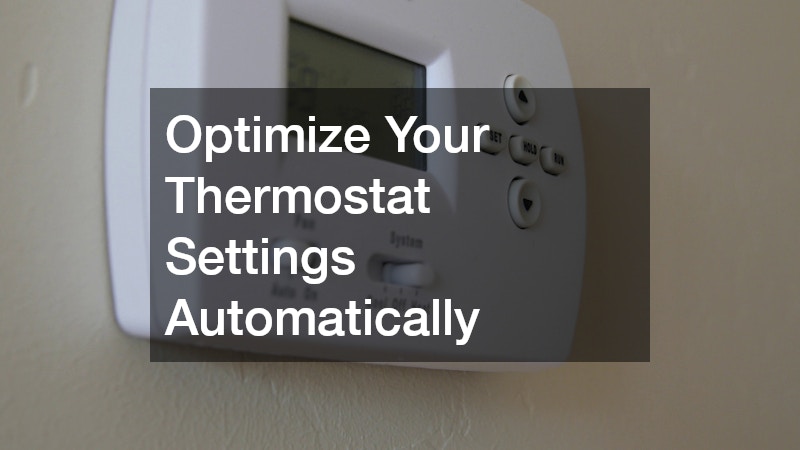
Managing your home’s temperature manually throughout the day is an inefficient uphill battle that frequently results in accidental energy waste. Many homeowners mistakenly believe that leaving their cooling system running at a low, consistent temperature all day is more efficient than turning it up when they leave. In reality, the human error involved in forgetting to adjust settings before leaving for work can inflate your utility costs by hundreds of dollars over a single season. Installing an intelligent control system eliminates human error by aligning your indoor climate precisely with your daily schedule.
Investing in a modern programmable or Wi-Fi-enabled thermostat allows you to set customized profiles that match your family’s routine. Many of these smart devices utilize geofencing technology to detect when your smartphone leaves the property, automatically shifting the house into an energy-saving eco-mode. By the time you commute back home, the device prompts your system to cool the rooms back down to a comfortable level, achieving seamless comfort without wasteful operation.
Maximize Your Airflow Efficiency With Ceiling Fans
Ceiling fans are an extraordinarily cost-effective tool for enhancing indoor comfort, yet they are frequently misunderstood and improperly utilized. A crucial concept to remember is that fans are designed to cool people, not the actual structure of a room. They create a wind-chill effect by evaporating moisture from your skin, which makes the ambient environment feel roughly four degrees cooler than it actually is. However, leaving a ceiling fan running in an empty room accomplishes nothing except wasting electricity, so it is vital to turn it off when you exit.
To get the most out of your fans during the peak of summer, you must ensure they are rotating in the correct direction. Look closely at the central housing of your fan and locate the small directional toggle switch. You want to adjust this so the blades spin in a counterclockwise direction at a relatively high speed. This specific motion creates a direct downward draft that circulates the chilled air sitting near the floor, allowing you to raise your main thermostat setting without noticing a drop in personal comfort.
- Verify Counterclockwise Rotation: Ensure the blades push air straight down to create a refreshing breeze.
- Turn Off Empty Rooms: Always flip the switch off when leaving a room to prevent phantom energy drain.
- Clean Blade Surfaces: Keep the fan blades free of dust buildup so they can slice through the air with minimal motor resistance.
When combined with your central climate control, strategic fan usage distributes airflow evenly across your living areas. This collective movement prevents hot air pockets from forming in the upper corners of your rooms, which would otherwise trick your central sensors into running longer cycles. Embracing this simple mechanical synergy keeps your living space feeling crisp while drastically lowering the strain on your main equipment.
Replace Your System Filters Every Month
A clogged air filter is one of the most common causes of restricted airflow and inflated energy consumption within a residential system. When dust, pet dander, and airborne particles accumulate on the filter fabric, they form a dense barrier that blocks air from circulating freely. Your system is then forced to work twice as hard to draw air through this obstruction, which strains the blower motor and rapidly drives up your electric bill. If your system runs continuously just to maintain a baseline temperature, an overlooked, dirty filter is frequently the prime suspect.
Establishing a strict routine to inspect and swap out these components every few months will dramatically boost your operational efficiency. For households with multiple pets or residents who suffer from seasonal allergies, monthly changes are highly recommended to maintain peak performance. It is a minor, inexpensive maintenance task that yields immediate dividends on your monthly utility statement.
Seal Household Air Leaks and Window Gaps
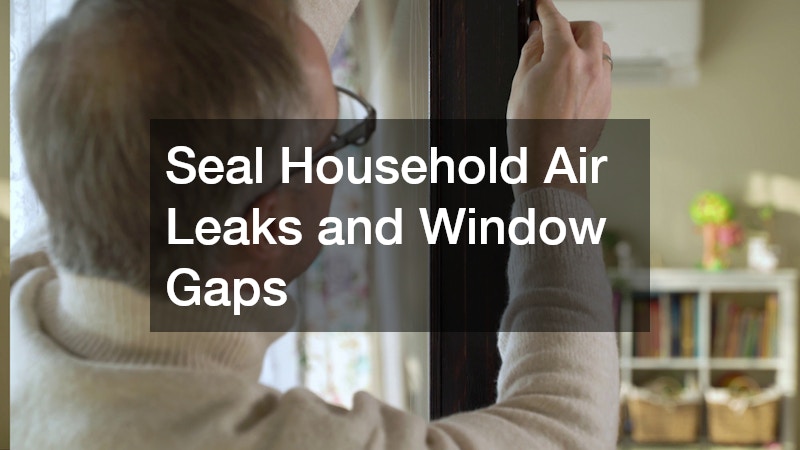
Even the most advanced cooling setup will struggle to control costs if the expensive, chilled air you are paying for is constantly bleeding out of your home. Small structural cracks around your windows, structural gaps beneath exterior doors, and unsealed utility penetrations act like a series of tiny open windows. During the peak of summer, high outdoor pressure forces hot, humid air through these openings, which quickly displaces your interior comfort and causes your system to work overtime.
- Apply Quality Caulk: Fill small exterior cracks around stationary window frames and decorative trim.
- Install Weatherstripping: Place flexible foam or rubber seals along the moving tracks of doors and windows.
- Utilize Door Sweeps: Secure durable rubber sweeps to the bottom of exterior doors to block incoming hot air drafts.
Addressing these vulnerable thermal weak points with straightforward DIY materials creates a tight, highly efficient building envelope. By locking the cool air inside and blocking the external heat, you reduce the overall thermal load your property experiences. This stabilization prevents frustrating temperature swings between different rooms and ensures your home stays cooler for much longer stretches of time after a cooling cycle concludes.
Block Solar Heat Gain with Window Coverings
A significant amount of summer heat enters your home through direct sunlight streaming through unprotected window glass. This phenomenon, known as solar heat gain, acts like a greenhouse, trapping intense thermal energy inside your living areas and driving indoor temperatures up. If you leave your curtains wide open on south- and west-facing windows during the middle of the day, your cooling system will be locked in a constant, losing battle against the sun.
Implementing a proactive window covering strategy is an incredibly effective, low-tech way to take the pressure off your machinery. Keep these blinds completely closed during the peak hours of intense sunlight to preserve your indoor climate. Once the sun sets and the outdoor air cools down, you can open them back up to enjoy the natural light without the accompanying heat wave.
Address Hidden Ductwork Infrastructure Problems
Many homeowners focus all of their attention on the main exterior machinery while entirely ignoring the complex network of hidden air ducts running through their walls and attics. Over several years of continuous operation, these metal or flexible ducts can develop severe tears, loose connections, or accumulated internal blockages.
When you are trying to minimize your monthly operating expenses, hiring specialized air duct cleaners can resolve these deep architectural inefficiencies. Removing thick layers of dust and sealing up structural leaks ensures that every cubic foot of chilled air is delivered precisely where it is needed. Furthermore, when you experience system irregularities that require minor HVAC repairs, having a professional evaluate the distribution network can prevent future mechanical failures. Keeping this infrastructure clean and airtight maximizes delivery velocity and allows your home to reach its target temperature much faster.

Schedule Preventive Maintenance With Professionals
To ensure your complex climate system operates at its absolute peak thermodynamic efficiency, you need to invest in routine professional maintenance. An air conditioner is an intricate mechanical assembly that undergoes immense physical stress during the hottest months of the year. Over time, electrical connections loosen, condenser coils become coated in outdoor grime, and internal moving components lose their necessary lubrication, all of which quietly drag down system performance.
Arranging an annual tune-up with trusted local HV AC companies is the best way to catch minor component wear before it mutates into a major breakdown. Experienced technicians possess the specialized tools required to wash the outdoor coils, measure vital electrical draw, and calibrate internal sensors safely. If your machinery requires a specific air conditioner repair, resolving it early in the spring prevents the component from dragging down the efficiency of the entire system. This proactive care keeps your monthly bills low and extends the operational lifespan of your expensive investment.
Clean and Clear the Outdoor Condenser Area
The exterior condenser unit of your home system is responsible for dispersing all the heat that was collected from your indoor air. For this thermodynamic process to function correctly, the metal fins surrounding the exterior unit must have completely uninhibited access to the surrounding air. When fallen leaves, overgrown weeds, tall grass, or low-hanging branches crowd around the unit, they create a suffocating blanket that traps heat and forces the compressor to run much longer cycles.
Make it a habit to regularly inspect the perimeter of your outdoor unit and clear away any encroaching vegetation within a two-foot radius. You can also use a gentle garden hose to spray down the aluminum fins, washing away caked-on dirt, pollen, and lawn clippings that block airflow. Never use a high-pressure power washer for this task, as the intense stream can easily bend the delicate metal fins and permanently restrict airflow. Keeping this outdoor area clean allows your unit to reject heat effortlessly, which translates directly into lower energy consumption on your bills.
Partner with Reputable Technical Experts
When your system begins to age or struggles to keep up with intense heatwaves, you need access to reliable, certified mechanical support. Navigating the complexities of modern climate control machinery requires deep technical training that goes far beyond basic homeowner maintenance. Attempting to fix intricate mechanical, electrical, or refrigerant issues by yourself can lead to accidental property damage, voided equipment warranties, and even personal safety hazards.
When looking for professional assistance, always verify that you are hiring fully licensed and insured commercial HVAC contractors. Reputable technical professionals will provide clear, written estimates, verify certifications, and thoroughly evaluate your home’s unique layout before recommending specific solutions. If you need to source specialized replacement components or look into system upgrades, working with an established local HVAC company guarantees you receive genuine parts and dependable warranties. Cultivating a relationship with a certified commercial HVAC contractor provides peace of mind and keeps your system performing optimally through the worst summer heatwaves.
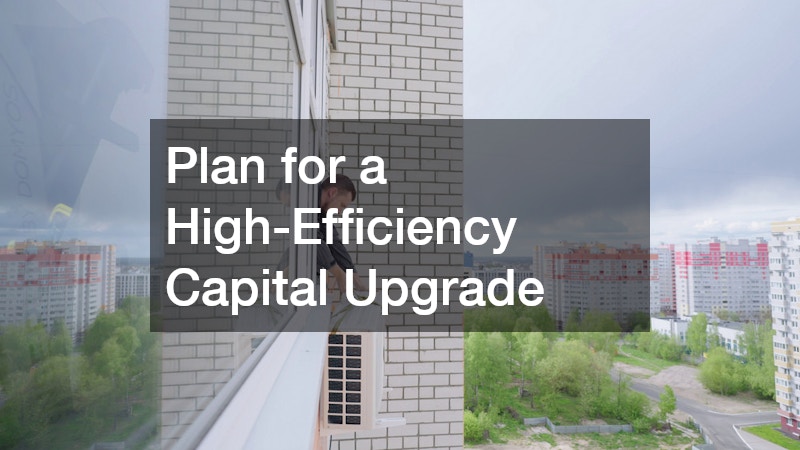
Plan for a High-Efficiency Capital Upgrade
Even with meticulous maintenance and careful behavioral habits, an air conditioner that is over a decade old will eventually hit its physical limit. Older generation systems were manufactured under much lower efficiency standards, and their internal components naturally degrade after years of continuous operation. If you find yourself consistently calling out local HVAC companies for emergency service, or if your monthly utility bills continue to climb despite your best efforts, you are likely burning money on an obsolete system.
When the time comes to modernize your property, consult with recognized HVAC equipment suppliers to explore current high-efficiency options. A professional HVAC replacement service can precisely calculate the correct cooling load for your home’s square footage, ensuring your new investment is neither oversized nor undersized. While the upfront capital expense of a full system swap is significant, the dramatic, permanent drop in your monthly energy bills will quickly offset the initial investment.
Lowering your home’s cooling bill does not require you to sacrifice your personal comfort or endure an uncomfortably warm living environment all summer long. Instead, achieving meaningful savings is about adopting a smarter, more proactive approach to how you manage your household’s climate and mechanical infrastructure. From the simple, cost-free habit of adjusting window blinds during peak sunlight hours to the long-term benefits of scheduling professional technical tune-ups, every small step you take works together to reduce your total energy consumption.
By treating your home as an interconnected thermal system, you can easily minimize energy waste and take unnecessary strain off your equipment. Implement these actionable strategies gradually, monitor your monthly utility statements to see what works best for your specific layout, and enjoy the financial relief that comes with a highly efficient home. With a little planning and regular care, you can successfully maintain a crisp, refreshing, and affordable indoor sanctuary no matter how high the outdoor temperatures climb this season.