Every month, homeowners watch a chunk of their paycheck disappear into utility bills, repair costs, and maintenance surprises that could often be avoided. The good news is that most of these expenses are tied to a handful of home systems that respond well to proactive care and smart upgrades. By understanding how your heating, electrical, plumbing, roofing, and outdoor systems work together, you can make targeted improvements that lower your monthly costs for years to come. This guide walks through the practical steps homeowners can take to identify waste, prevent costly damage, and build a home that runs more efficiently overall.
Finding Out Where Your Money Actually Goes
Before spending a dime on upgrades, it helps to understand exactly where your household budget is leaking. Many homeowners assume their bills are high simply because of the size of their home, when in reality outdated systems or hidden inefficiencies are the real culprits. A 15-year-old water heater, for instance, can quietly cost 20% more to run than a modern, properly sized unit.
A simple walk-through inspection, paired with a review of past utility statements, can reveal patterns worth investigating further. Look for spikes in usage during specific months, compare your consumption to similarly sized homes in your area, and check for drafts around windows, doors, and attic access points. Even small clues—like a room that never quite reaches a comfortable temperature—can point to insulation gaps or ductwork losses that add up over a year.
Many utility companies also offer free or low-cost home energy audits, which use tools like blower-door tests and infrared cameras to pinpoint exactly where energy is escaping. Taking thirty minutes to gather this baseline information before making any purchases ensures every dollar spent afterward targets the problem that will actually save you money.
Before you can fix what’s driving up your bills, you need to know where the money is actually going each month. Start by pulling twelve months of utility statements and lining them up side by side. A pattern often jumps out immediately: electric bills that double in July and August usually point to an aging air conditioner or poor insulation, while winter spikes in gas usage often trace back to an inefficient furnace or leaky ductwork.
Water usage deserves its own look, since a sudden jump of even a few thousand gallons between billing cycles can signal a running toilet, a slow slab leak, or an irrigation system that’s overwatering the lawn. Rooms that never seem to reach a comfortable temperature, no matter how the thermostat is set, are another red flag worth tracking room by room.
These clues often point to specific systems that need attention rather than the home as a whole. A $40 infrared thermometer can help you compare wall and vent temperatures across rooms, while a simple water meter check before and after a two-hour period with no usage can confirm whether you have a hidden leak. Taking notes on these patterns for even one full season gives you a much clearer target than guessing at general “energy efficiency” upgrades.
- Compare utility bills month over month, and against the same month last year, flagging spikes over 15-20% that weather alone doesn’t explain
- Check for drafts around windows, doors, and attic access points using a lit candle or incense stick on a breezy day — flickering flames reveal air leaks
- Note rooms that are consistently too hot or too cold, and check if they’re farthest from the thermostat or share a wall with an unheated space like a garage
- Track water usage against household size and habits, keeping in mind the average person uses roughly 80-100 gallons daily
- Look for running toilets or dripping faucets, which can quietly waste hundreds of gallons a month
- Check insulation levels in the attic and basement, since inadequate insulation is a common hidden driver of heating and cooling costs
Keeping Your Heating and Cooling System Efficient

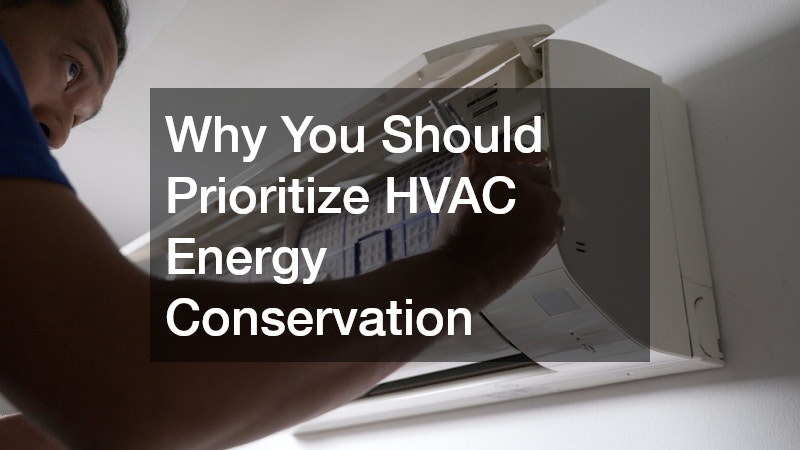
Heating and cooling typically account for the largest share of a home’s energy bill, often 40 to 50 percent of total monthly costs, which makes this system one of the best places to look for savings. An aging furnace or heat pump that runs longer than it should will quietly drive up costs every single month, sometimes adding an extra 15 percent or more to your bill without any obvious sign of trouble.
Scheduling routine heating repair before winter hits can catch small issues, like a failing igniter, a clogged filter, or worn blower belts, before they turn into a full system breakdown. A quick annual tune-up typically costs far less than an emergency service call, and it often extends the lifespan of the unit by several years.
Simple habits between professional visits matter too. Swapping air filters every one to three months keeps airflow strong and prevents the system from overworking itself, while sealing gaps around ductwork stops conditioned air from escaping into attics or crawl spaces. Pairing these small maintenance steps with a programmable thermostat can further trim costs by automatically easing the workload when no one is home.
Regular maintenance also extends the lifespan of your equipment, which delays the much larger expense of a full replacement—often $5,000 to $12,000 for a new HVAC system. A well-maintained unit can last 15 to 20 years, while a neglected one may fail closer to the 10-year mark.
Simple habits like changing filters every 30 to 90 days and sealing duct leaks can meaningfully reduce how hard your system has to work. A clogged filter alone can force your unit to use up to 15% more energy just to maintain the same airflow.
Beyond filters, an annual professional tune-up to check refrigerant levels, clean coils, and inspect electrical connections catches small issues before they become costly repairs. Sealing visible duct gaps with mastic tape or having a technician test for leaks can also recover 20% or more of lost conditioned air, directly lowering your monthly utility bill.
- Replace furnace filters every one to three months, checking monthly during heavy use in summer or winter
- Schedule a professional tune-up before peak heating season to catch worn belts, dirty coils, or refrigerant leaks
- Seal visible gaps around ductwork and vents using metal tape or mastic sealant, not standard duct tape, which degrades over time
- Set programmable thermostats to match your daily schedule, lowering heat or raising AC by 7-10 degrees during work hours or sleep
- Insulate exposed ductwork in attics, basements, and crawl spaces to prevent conditioned air from escaping
- Keep outdoor condenser units clear of leaves, grass clippings, and debris for at least two feet on all sides
Addressing Electrical Inefficiencies Before They Become Costly
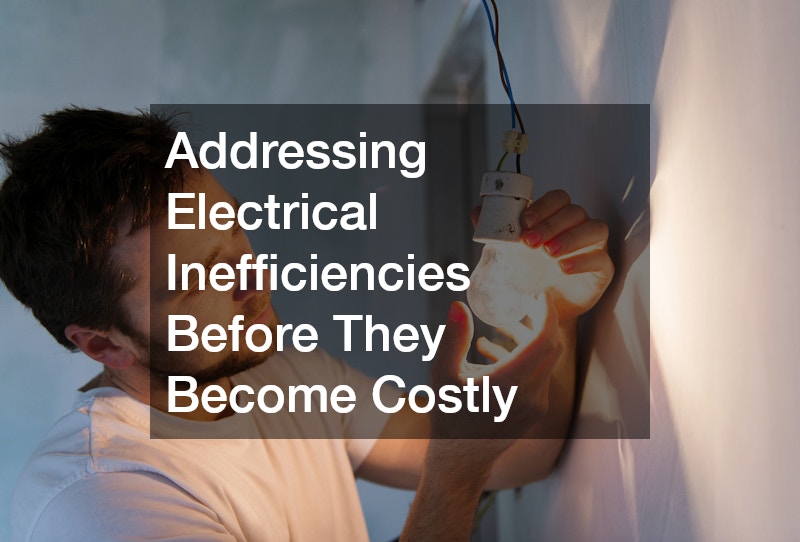
Outdated wiring, overloaded circuits, and inefficient fixtures can quietly inflate an electric bill without any obvious warning signs. Many homeowners do not realize how much older appliances or lighting draw until they compare them to modern, energy-efficient alternatives. If you notice flickering lights, warm outlets, or breakers that trip frequently, it may be time to search for an electrician near me to evaluate the system properly.
A licensed professional can identify where energy is being wasted and recommend upgrades that pay for themselves over time, such as LED lighting or smart switches. Addressing these issues early also reduces safety risks, which is just as important as saving money.
- Swap incandescent bulbs for LED alternatives throughout the home
- Install smart plugs to monitor and control energy-hungry devices
- Have outdated panels inspected for capacity and safety concerns
- Unplug chargers and electronics that draw power even when idle
Protecting Your Roof to Prevent Bigger Losses
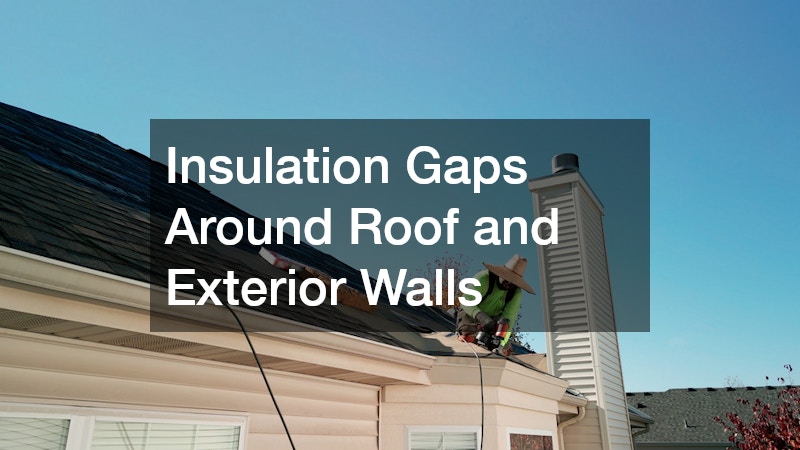
A well-maintained roof does more than keep rain out; it also plays a major role in regulating indoor temperature and preventing energy loss. Damaged shingles, poor ventilation, or inadequate insulation can force your heating and cooling systems to work overtime. Working with an experienced roofing contractor for an annual inspection helps catch small problems, like cracked flashing or missing shingles, before they lead to larger repair bills.
Beyond energy efficiency, a roof in poor condition puts the rest of your home at risk during storms and heavy weather. Skilled roofers can also advise on ventilation improvements and reflective materials that reduce attic heat buildup during summer months, which directly lowers cooling costs.
- Inspect shingles and flashing at least once a year
- Check attic insulation levels and ventilation balance
- Clear debris from gutters to prevent water backup
- Consider reflective or energy-rated roofing materials when replacing
Preventing Water Damage Before It Starts
Water is one of the most destructive forces a home can face, and even small leaks can lead to expensive repairs if left unaddressed. Slow leaks behind walls or under flooring often go unnoticed until they cause mold growth, warped materials, or structural damage. Homeowners who catch these issues early by calling water damage services at the first sign of trouble typically save significant money compared to those who wait.
Outside the home, an aging or failing septic system can also lead to costly surprises. Warning signs like slow drains, soggy patches in the yard, or unpleasant odors often mean it is time to consider drain field repair before the problem spreads and requires a full system replacement.
- Check under sinks and around appliances for slow leaks
- Watch for discoloration or soft spots on ceilings and walls
- Monitor yard areas for pooling water near the septic system
- Address slow drains promptly rather than waiting for a backup
Making Smart Choices in Your Yard and Landscaping

Outdoor spaces influence monthly bills more than most homeowners realize, particularly when it comes to water usage and yard maintenance. Traditional grass lawns require frequent watering, mowing, and fertilizing, all of which add up in both time and money. Many homeowners are switching sections of their landscaping to low-maintenance groundcover, and applying bark dust around trees, garden beds, and walkways to reduce water evaporation and suppress weed growth.
This kind of landscaping choice not only cuts down on watering needs but also reduces the labor and cost associated with regular yard upkeep. Over a full growing season, the reduction in water bills and maintenance time can be substantial.
- Group plants with similar watering needs together
- Use mulch or bark dust to retain soil moisture longer
- Reduce grass area in favor of drought-tolerant plantings
- Install a rain barrel to capture water for garden use
Building With Efficiency in Mind From the Ground Up

For homeowners planning a new build or major addition, the earliest design decisions have the biggest long-term impact on monthly costs. Insulation quality, window placement, and system sizing all determine how efficiently a home will run for decades. Working with custom home builders who prioritize energy performance allows you to bake savings into the structure itself rather than retrofitting fixes later.
This proactive approach often costs a bit more upfront but pays dividends through lower utility bills and fewer repairs over the life of the home. Discussing energy goals during the planning phase ensures those priorities are reflected in the final construction.
- Ask about insulation ratings and window efficiency during planning
- Discuss HVAC sizing based on the home’s actual square footage
- Request energy modeling to estimate long-term utility costs
- Consider orientation and shading when siting the home on the lot
Balancing Efficiency With Character in Older Homes
Owners of older properties often face a unique challenge: improving efficiency without compromising the architectural details that give the home its charm. Historic preservation guidelines can sometimes limit the types of changes allowed, especially for exterior features like windows and siding. Fortunately, there are many efficiency upgrades, such as attic insulation and weatherstripping, that can be made without altering the home’s original appearance.
Working within these constraints often requires a bit more research, but the payoff is a home that keeps its character while running more efficiently. Local preservation offices can usually provide guidance on which upgrades are permitted for homes with historic designations.
- Research local guidelines before starting exterior renovations
- Focus on hidden upgrades like insulation and sealing first
- Choose period-appropriate materials when replacements are necessary
- Consult local preservation resources for approved upgrade options
Considering Larger Properties and Mixed-Use Spaces
Homeowners who also manage rental units, home offices, or small commercial spaces face a different set of cost considerations. Larger roofing systems on these properties require specialized knowledge, which is why many property owners rely on a commercial roofing contractor rather than a standard residential provider. These professionals understand the unique materials and drainage systems used on flat or low-slope roofs common to larger structures.
Managing a mixed-use property efficiently often means applying the same principles used in a single-family home, just at a larger scale. Regular inspections, prompt repairs, and attention to insulation matter just as much for these spaces as they do for a typical house.
- Schedule inspections twice a year for larger roofing systems
- Address drainage issues quickly to prevent membrane damage
- Keep maintenance records to track recurring problem areas
- Factor roof age into long-term budget planning for the property
Lowering your monthly bills does not require a single dramatic fix; it comes from paying steady attention to the systems that make your home run. Small, consistent maintenance on your heating, electrical, roofing, and plumbing systems adds up to significant savings over time. Whether you are maintaining an older property, planning a new build, or simply trying to trim your utility costs, start by tackling one system at a time. Taking that first step this month puts you on the path toward a more efficient and less expensive home for years to come.