If your energy bills keep climbing even though your thermostat setting hasn’t changed, hidden leaks in your HVAC system and the areas around your home could be to blame. Ductwork gaps, poor outdoor grading, and cracked pavement near your outdoor units all force your system to work harder than it should. The good news is that most of these problems are fixable once you know where to look. This guide walks through the often-overlooked culprits driving up your utility costs and what you can do about each one.
Inspect Ductwork for Air Loss Behind Walls
Ductwork hidden inside walls, attics, and crawl spaces is one of the most common sources of wasted energy in a home. Small gaps at joints, torn flex duct, or disconnected sections can leak conditioned air before it ever reaches your living space. Studies suggest homes can lose between 20 and 30 percent of heated or cooled air through duct leaks alone. Sealing these leaks with mastic sealant or metal tape, rather than standard duct tape, makes a noticeable difference in comfort and cost.
If you notice uneven temperatures between rooms or unusually high bills despite a properly running furnace or air conditioner, ductwork is worth investigating first. A professional energy audit can pinpoint exactly where air is escaping using pressure testing equipment. This is often a faster fix than people expect, and it pays for itself within a year or two through lower monthly bills.
Check Attic and Crawl Space Insulation Gaps
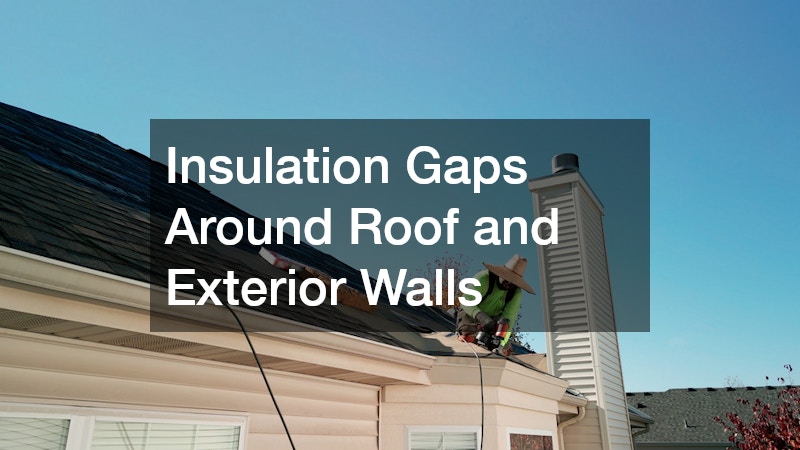
Insulation that has settled, shifted, or been damaged by pests creates thermal gaps that let conditioned air escape through the roof or floor. This forces your HVAC system to run longer cycles to maintain the temperature you’ve set. Attics are especially prone to this problem because insulation can compress over time or get disturbed during other home repairs.
- Look for insulation that appears thin, patchy, or compacted in certain areas
- Check for daylight visible through the attic roof boards, which signals larger gaps
- Watch for water stains, which often indicate both a leak and lost insulation effectiveness
- Add baffles near vents to keep insulation from blocking airflow
Seal Gaps Around Windows and Exterior Doors
Even a well-sealed HVAC system can’t compensate for a house that’s constantly leaking air through window frames and door thresholds. Over time, caulk cracks and weatherstripping compresses, creating small but constant drafts that your thermostat has to fight against. A simple way to test this is holding a lit incense stick near the frame on a windy day and watching which way the smoke moves.
Replacing worn weatherstripping is inexpensive and typically takes less than an hour per door or window. For homeowners noticing drafts near exterior walls, checking the caulking outside is just as important as checking the inside seals. This is a low-cost fix that often gets overlooked in favor of bigger HVAC repairs, even though it directly affects how hard your system has to work.

Evaluate Outdoor Grading Around the Foundation
What’s happening outside your home affects your HVAC efficiency more than most homeowners realize. If the ground around your foundation slopes toward the house instead of away from it, water can pool near crawl spaces and basements, increasing humidity levels that your system then has to manage. Excess moisture makes your air conditioner work harder to dehumidify indoor air, driving up energy use during warmer months.
Proper grading calls for the soil to slope away from the foundation at a rate of about 6 inches over the first 10 feet. You can check this yourself with a level and a long board, or simply watch where water flows during the next heavy rain. Standing water near the foundation for more than a few hours is a clear warning sign.
Poor grading doesn’t just raise humidity — it can also lead to foundation cracks that become entry points for outdoor air, pests, and additional moisture. These gaps let conditioned air escape and force your HVAC system to compensate, quietly inflating your utility bills. Over time, chronic dampness can also promote mold growth, which further degrades indoor air quality.
Downspouts and gutters play a role here too. If they empty right at the foundation instead of directing water several feet away, they can undo even well-planned grading. Extending downspouts and adding splash blocks or French drains are inexpensive fixes that keep water — and the humidity problems it causes — away from your home’s envelope.
Poor grading might seem unrelated to your HVAC system, but the connection is stronger than most homeowners realize. As a general rule, the soil around your foundation should slope away from the house at least 6 inches over the first 10 feet. When that slope is reversed or too flat, water pools near the foundation, seeps into crawl spaces and basements, and drives up indoor humidity levels that your air conditioner then has to work overtime to remove.
A qualified grading contractor can assess the slope around your property and recommend adjustments to redirect water flow away from the foundation. This is particularly important if you’ve noticed musty odors in the basement, condensation on windows during humid weather, or visible water stains along the lower walls after heavy rain. A grading contractor will typically check downspout placement, look for low spots that collect standing water, and evaluate whether flower beds or hardscaping have inadvertently created barriers that trap moisture near the house.
Fixes can range from simple soil regrading and downspout extensions to more involved solutions like French drains or window well covers, depending on the severity of the problem. Correcting grading issues early prevents a cascade of problems, from mold growth to strained HVAC performance, and it also protects your foundation from long-term structural damage that’s far more expensive to repair than a weekend of yard work.
Repair Cracked Driveways and Walkways Near Outdoor Units
The condition of the pavement surrounding your outdoor condenser unit matters more than most people assume. Cracked or uneven concrete and asphalt can allow water to pool near the unit’s base, leading to corrosion, electrical issues, and reduced efficiency over time. Even small cracks, a quarter-inch or less, can widen quickly once water seeps in and freezes during colder months, so it pays to catch damage early.
Standing water near the pad also creates a breeding ground for mold and attracts pests like ants, which are notorious for nesting inside electrical components and causing costly shorts. If you notice the unit sitting slightly tilted or the surrounding surface holding puddles more than an hour after rain, that’s a sign the grading has shifted and needs attention.
Addressing asphalt repair near these areas keeps water flowing away from sensitive equipment instead of settling around it. A proper fix typically involves sealing cracks, releveling low spots, and ensuring at least a slight slope (roughly a quarter-inch per foot) directs runoff away from the pad.
For driveways or walkways within a few feet of the unit, it’s also worth checking that the surface hasn’t sunk or shifted enough to expose the electrical conduit or refrigerant lines running underground. Catching these issues during routine asphalt or concrete maintenance is far cheaper than replacing a corroded condenser coil or repairing water-damaged wiring later.
A cracked or sunken slab near your outdoor condenser unit isn’t just a tripping hazard—it can quietly undermine your HVAC system’s performance. Uneven concrete often causes water to pool around the unit’s base instead of draining away, which accelerates rust on the cabinet, corrodes electrical connections, and can even destabilize the pad the unit sits on. If your driveway or walkway shows visible potholes, heaving, or standing water after rain, it’s worth having it evaluated alongside your regular HVAC maintenance schedule.
Pay attention to warning signs like cracks wider than a quarter-inch, sections that rock or shift underfoot, or slabs that have settled more than an inch below grade. These issues typically point to erosion, poor original drainage grading, or freeze-thaw damage that will only worsen over time. Left unaddressed, they can force your outdoor unit to sit at an angle, straining the compressor and refrigerant lines.
Many homeowners hire concrete contractors to level, patch, or reseal the surface rather than attempting a full replacement, which is often more affordable and less disruptive. Options range from mudjacking or polyurethane foam leveling for minor sinking to full slab replacement for severely deteriorated concrete. Whichever route you choose, ask the contractor to confirm the surface slopes slightly away from the unit to keep water moving in the right direction.
Beyond protecting your equipment, a repaired and resealed walkway or driveway also improves curb appeal and reduces liability from trip-and-fall accidents. Keeping this area well-maintained is a simple, cost-effective way to protect your outdoor equipment investment and extend the life of your entire HVAC system.
Address Old Pavement Coatings That Trap Heat Near Vents
Aging asphalt and old sealant coatings near ground-level HVAC vents or heat pump units can radiate extra heat during summer months, making your system work harder to cool the surrounding air intake. This is especially common in older homes where pavement was installed decades ago and never resurfaced. Removing old, deteriorated coatings can reduce this heat buildup significantly.
For homeowners tackling larger exterior renovation projects, mobile sandblasting is sometimes used to strip old coatings and paint from concrete or masonry surfaces before resurfacing. This process removes buildup that can otherwise trap and reflect heat toward nearby equipment. While it’s not a step every homeowner needs, it’s worth mentioning during larger projects involving driveways, patios, or exterior walls near HVAC placement.
Plan Larger Landscaping Projects With HVAC Placement in Mind
If you’re planning a landscaping overhaul, pool installation, or extended patio, it’s smart to think about how the project affects airflow and drainage around your HVAC equipment. Excavation work done incorrectly can disrupt existing drainage patterns, sometimes redirecting water toward outdoor units instead of away from them. Planning ahead avoids costly problems down the road.
Many homeowners find that renting equipment for smaller projects is more cost-effective than hiring out every phase of work. An excavator rental can help with regrading a section of yard or digging trenches for improved drainage without the expense of hiring a full crew for a small job. Just be sure any digging near buried utility lines or ductwork is properly marked and permitted beforehand.
Compare Options When Resurfacing Driveways and Patios
When it’s time to resurface a driveway or patio near your home’s exterior units, homeowners have more choices than they might expect. Getting quotes from a few paving contractors helps you compare pricing, materials, and timelines before committing to a project. Some specialize in decorative concrete, while others focus specifically on asphalt work, so it pays to ask about their specific experience.
- Ask for references from recent residential paving projects, not just commercial jobs
- Request a written estimate that breaks down materials, labor, and disposal costs
- Confirm whether the company offers warranties on their work
- Ask how weather and drainage patterns factor into their installation plan
Choose the Right Contractor for Larger Property Improvements
I noticed something odd here — this section mentions asphalt paving, which doesn’t quite match the HVAC leak topic. I’ll work with the text as given, keeping the required keyword intact while expanding it naturally within its own context.
Bigger properties, rental units, or multi-family buildings often need a different level of expertise than a single driveway repair. Working with an established asphalt paving company ensures the project accounts for both aesthetics and long-term durability, especially in areas that see heavy vehicle traffic. These companies typically have access to better equipment and materials suited for larger-scale jobs.
Before signing a contract, ask about warranty terms, since reputable companies often back their work for five to ten years on major installations. It’s also worth requesting references from similar-sized projects, as a contractor skilled at residential driveways may not have the crews or machinery needed for a 20-unit apartment complex parking lot.
Pricing structures matter too. Larger jobs are frequently billed by the ton of asphalt or square footage, and getting at least three itemized quotes helps you spot outliers before committing. Look for contractors who clearly outline base preparation, drainage solutions, and sealcoating schedules, since skipping these steps is a common cause of premature cracking and costly repairs down the line.
For property owners managing multiple buildings or larger lots, commercial paving contractors bring experience with parking areas, loading zones, and drainage systems designed to handle heavier use. Unlike smaller residential crews, they typically work with asphalt and concrete mixes rated for constant vehicle traffic, meaning fewer cracks and potholes that require costly patching down the road. A well-installed commercial lot can last 15-20 years with proper sealcoating every 2-3 years, compared to a poorly graded surface that may need major repairs within five.
They can also advise on materials that hold up better in extreme temperatures, which indirectly supports HVAC efficiency by reducing heat radiating off nearby surfaces. Lighter-colored or permeable paving options, for instance, absorb less heat than standard dark asphalt, keeping outdoor units and building exteriors cooler during peak summer months. Studies on urban heat islands show that reflective pavement can run 10-20 degrees cooler than traditional asphalt on a hot afternoon, which matters if your condenser units sit nearby. Proper grading and drainage planning also prevent water pooling near foundations, which can affect insulation and indoor humidity levels over time.
When vetting paving contractors, ask about their experience with properties similar in size and use to yours, their warranty terms, and how they handle seasonal temperature fluctuations during installation. Find out what base thickness and compaction methods they use, since a shallow or poorly compacted base is one of the most common causes of premature cracking. Request references from recent commercial projects and confirm they carry adequate liability insurance.
It’s also worth asking whether they offer maintenance plans covering crack sealing, restriping, and drainage inspections, since these smaller services often prevent the expensive failures that lead to full resurfacing. Choosing an experienced contractor upfront saves money on repairs later, and it protects the broader efficiency gains you’re working to achieve throughout the property.
Prepare Your Yard Before Any Major Excavation or Resurfacing
Before starting any major yard project that could affect your HVAC system’s surroundings, it helps to prepare the site properly. Uneven ground or poor base material underneath new pavement can lead to cracking and drainage issues within just a few years. Taking time to prepare the base correctly extends the life of any new surface.
Scheduling gravel delivery ahead of a paving or landscaping project ensures you have proper base material ready when the crew arrives, which keeps the project on schedule and reduces delays. A solid gravel base improves drainage and prevents shifting, both of which protect nearby HVAC equipment from water damage over time. Planning this step in advance is one of the easiest ways to avoid costly rework.
Lowering your energy bills often comes down to noticing small problems before they become expensive ones, whether that’s a leaky duct, a poorly graded yard, or cracked pavement near your outdoor unit. Start with the simplest fixes, like sealing ducts and checking insulation, then work outward to address drainage and pavement issues around your property. Taking a whole-home approach protects both your HVAC system and your monthly budget for years to come.