Every time the furnace kicks on or the air conditioner hums to life, money quietly leaves your bank account. For most homeowners, heating and cooling represent the single largest chunk of a monthly utility bill, yet many people still treat their HVAC system as a set-it-and-forget-it appliance. The good news is that smart home technology, paired with a few strategic upgrades to your house itself, can dramatically cut those costs without sacrificing comfort. This guide walks through the practical steps you can take, from the attic to the backyard, to build a more energy-efficient home.
Where Your Energy Dollars Are Actually Going
Before investing in any smart device, it helps to understand what is driving your energy bills in the first place. Heat escapes and enters a home through the roof, walls, windows, and foundation, and an inefficient roof is often the biggest culprit. Older shingles, poor ventilation, or damaged flashing can let conditioned air seep out year-round, forcing your system to work overtime. Many experienced residential roofers now offer energy audits alongside inspections, helping homeowners identify heat loss before it shows up as a spike in their utility bill.
Once you know where the losses are happening, it becomes much easier to prioritize upgrades. A smart thermostat is a great starting point, but it cannot compensate for a home that is leaking conditioned air through the attic or walls. Think of smart technology as the brain of your energy strategy, while the physical condition of your home is the body it has to work with.
Smart Thermostats as Your First Line of Defense
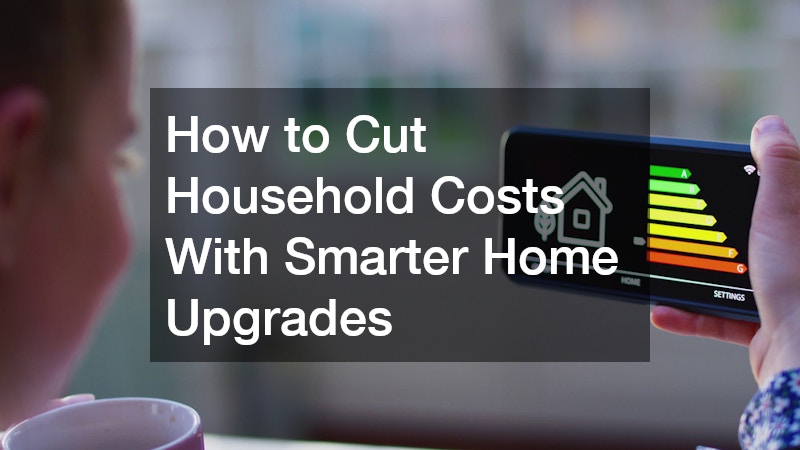
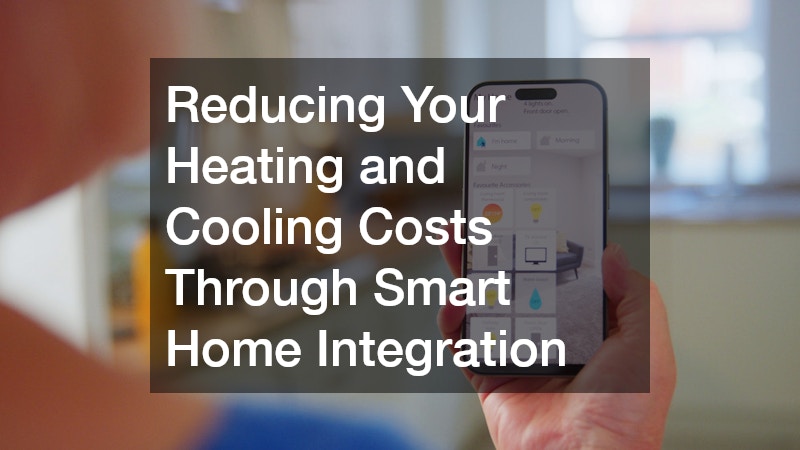
A smart thermostat learns your household routine and adjusts temperatures automatically, which typically saves homeowners between 10 and 15 percent on heating and cooling costs. These devices use occupancy sensors, weather data, and geofencing to know when to ease off the system, rather than running it at full capacity around the clock. Most models also send monthly reports showing exactly how much energy you used and where you can improve.
Choosing the right thermostat depends on your existing HVAC setup, so it is worth checking compatibility before purchasing. Multi-zone homes benefit from thermostats that pair with separate sensors in different rooms, allowing more precise control than a single centralized unit.
- Look for thermostats with remote sensors for large or multi-story homes
- Prioritize models with detailed energy usage reporting
- Confirm compatibility with heat pumps, dual-fuel systems, or radiant heating if applicable
- Consider voice assistant integration for hands-free adjustments
Building an Airtight Envelope
Smart devices can only optimize the energy you are not losing in the first place, which is why sealing your home’s envelope matters so much. The Department of Energy estimates that air leaks can waste 10 to 20 percent of a home’s heating and cooling energy, meaning your smart thermostat is essentially fighting a losing battle before it even starts. Gaps around windows, doors, and even the foundation allow conditioned air to escape, undermining even the best thermostat settings and forcing your HVAC system to run longer cycles than necessary.
A simple way to check for problem areas is the “candle test” or an infrared thermometer scan along baseboards, window frames, and electrical outlets on an exterior wall. Common culprits include worn weatherstripping, gaps around recessed lighting, and unsealed penetrations where pipes or cables enter the home. Caulking and expanding foam are inexpensive fixes, but larger gaps around foundation sills may require professional-grade sealants or spray foam insulation.
Homeowners are often surprised to learn that unnoticed water intrusion contributes to this problem too, since moisture can compromise insulation and create drafts over time. Wet insulation loses much of its R-value, meaning even a well-sealed home can suffer if a slow leak has been silently soaking the fiberglass or cellulose behind your walls. A professional leak detection service can pinpoint hidden plumbing or roof leaks before they damage insulation or drywall, using tools like moisture meters and thermal imaging to find problems invisible to the naked eye.
Combining this kind of inspection with your envelope-sealing efforts protects both your comfort and your energy efficiency, ensuring the money you invest in smart climate controls actually pays off in lower utility bills rather than leaking out through an overlooked crack or damp wall cavity.
Outside the house, the ground itself plays a role in moisture and drainage that indirectly affects indoor climate control. Poorly graded driveways and walkways can channel water toward the foundation, increasing humidity in crawl spaces and basements. Even a slope of just one or two inches in the wrong direction can send hundreds of gallons toward your foundation walls during a heavy rainstorm.
That excess moisture doesn’t just risk structural damage — it raises humidity levels that force your HVAC system to work harder to maintain comfortable indoor air. Damp basements often need supplemental dehumidification, which adds to your monthly energy bill.
Hiring a qualified asphalt contractor to properly grade and seal your driveway helps direct water away from the home, reducing the moisture load that your HVAC system indirectly has to manage. Look for a contractor who assesses existing grade slope, checks for cracks that allow water infiltration, and recommends a slope of at least a quarter-inch per foot away from the foundation. Resealing every two to three years also prevents small cracks from becoming larger drainage problems down the road.
Making the Most of Below-Grade Living Spaces
Basements are notoriously difficult to keep comfortable because they sit below grade and are surrounded by cool, often damp soil. Without proper insulation and vapor barriers, a basement can become a year-round energy drain, pulling cold air upward in winter and trapping humidity in summer. A basement renovation focused on insulation, sealed rim joists, and moisture control can transform this space from an energy liability into a comfortable, usable part of the home.
Adding supplemental smart sensors in the basement lets your thermostat account for temperature differences between floors. This is particularly useful in homes where the basement has been converted into a bedroom, office, or media room, since those spaces need more consistent climate control than an unfinished storage area.
- Insulate basement walls and rim joists before finishing the space
- Install a dehumidifier tied into your smart home system
- Seal any cracks in the foundation to prevent air and moisture infiltration
- Add supplemental heating or cooling vents if the space is far from the main system
Kitchen Upgrades That Support Efficiency
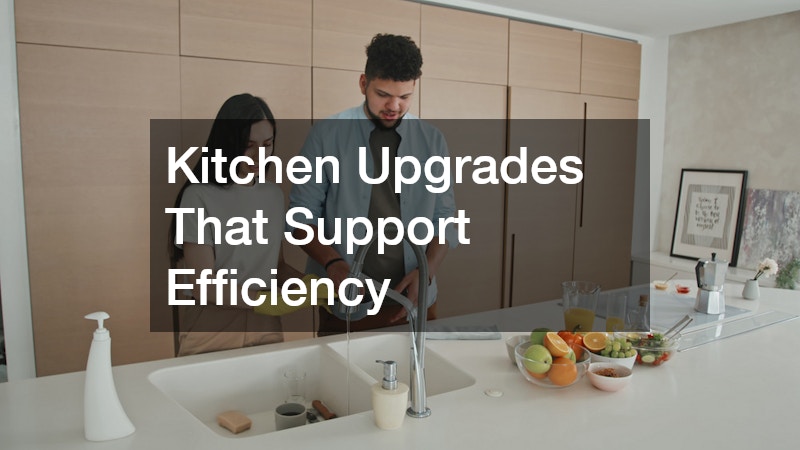
The kitchen is one of the hardest-working rooms in terms of heat generation, thanks to ovens, stovetops, and running appliances that raise indoor temperatures significantly. Thoughtful kitchen design can reduce this heat load by incorporating better ventilation, energy-efficient appliances, and layouts that keep hot zones away from thermostats. A range hood that vents outside rather than recirculating air, for instance, removes excess heat and humidity before it spreads through the home.
Smart plugs and appliance monitors can also be added to kitchen outlets to track how much energy specific devices consume. This data helps homeowners decide which appliances are worth upgrading first, especially older refrigerators or ovens that tend to run less efficiently than newer ENERGY STAR rated models.
Outdoor Living Spaces and Natural Shade

What happens outside your home has a bigger impact on indoor temperatures than most people realize. A well-designed deck or patio can provide shade to windows and exterior walls, reducing solar heat gain during the hottest months. Studies on shading strategies suggest that blocking direct sun on south- and west-facing windows can cut cooling loads by 10 to 25 percent, depending on your climate and home orientation.
Professional deck builders can incorporate pergolas, retractable awnings, or strategically placed roof overhangs that block direct sunlight from hitting your home’s siding and windows. Pergolas topped with climbing vines or slatted covers offer adjustable shade that changes with the seasons, letting in warming winter light while blocking harsh summer rays. Retractable awnings give you even more control, since they can be extended during peak afternoon heat and retracted on cooler or overcast days.
When planning these additions, consider the sun’s path across your property throughout the year, not just its position in summer. A deck builder experienced in passive solar design can position structures to maximize shade exactly where it’s needed most, whether that’s over a bank of west-facing windows or along a stretch of exposed siding that absorbs heat all afternoon. Getting this placement right upfront saves you from costly adjustments later and ensures your outdoor investment pays dividends on your energy bills for years to come.
Landscaping plays a similarly important role in passive cooling. Mature trees planted on the south and west sides of a property can block intense afternoon sun, reducing the cooling load on a home by as much as 20-30% during peak summer months. Deciduous varieties like maples or oaks are especially effective, since they provide dense shade in summer but drop their leaves in winter, allowing sunlight to warm the home when it’s needed most.
Shrubs and ground cover near the foundation also help regulate soil temperature and moisture, which in turn stabilizes indoor temperatures and eases the strain on HVAC systems. Even simple additions like mulch beds or low hedges can reduce heat radiating off bare soil and pavement. Trellises and climbing vines along west-facing walls offer another low-cost way to block direct sun before it heats up the building’s exterior.
Working with experienced landscaping companies to plan tree placement, spacing, and ground cover can meaningfully reduce cooling demand over time, especially in regions with long, hot summers. These professionals can also advise on root systems and mature canopy size, ensuring new plantings won’t interfere with foundations, utility lines, or existing structures as they grow.
- Plant deciduous trees like maples or oaks 15-20 feet from south- and west-facing walls; their canopy blocks intense summer sun but drops leaves in winter to let sunlight warm the home naturally.
- Use light-colored decking materials and overhangs extending 2-3 feet to reduce direct sunlight on windows, cutting solar heat gain by up to 25% during peak afternoon hours.
- Add trellises or climbing vines like Boston ivy or clematis to shade exterior walls without permanent structures, offering a removable option for renters or those wanting seasonal flexibility.
- Choose ground cover such as clover or low-growing sedum that retains moisture and reduces heat radiating off bare soil, which can otherwise raise nearby air temperatures by several degrees.
- Consider pairing shade landscaping with smart irrigation controllers that adjust watering based on soil moisture sensors, keeping plants healthy while minimizing water waste.
Protecting Your Home During Extreme Weather
Extreme weather events put enormous strain on heating and cooling systems, especially when storms damage windows, roofing, or siding. Homes in hurricane-prone regions benefit from hurricane shutters not just for storm protection, but for the insulating effect they provide when closed during intense heat or sudden temperature swings. Many modern shutter systems can even be integrated with smart home apps, allowing homeowners to close them remotely before a storm or heat wave hits.
Beyond storm season, these shutters can double as an extra layer of insulation on particularly hot or cold days, blocking direct sun exposure on windows that would otherwise let in significant heat. This dual-purpose functionality makes them a practical investment for both safety and everyday energy savings.
Pools, Spas, and Their Hidden Energy Costs

Backyard pools and spas often run heating and filtration systems that quietly add to your overall energy consumption, sometimes rivaling the cost of running your home’s HVAC system. Modern pool builders now offer variable-speed pumps and smart heaters that can be scheduled or controlled remotely, ensuring the system only runs at full power when needed. Pairing pool automation with your broader smart home ecosystem allows you to monitor water temperature and pump activity from the same app you use for your thermostat.
Solar covers and automated pool covers also reduce heat loss significantly overnight, cutting down on how often the heater needs to cycle on. Combined with smart scheduling, these upgrades can reduce pool-related energy costs by a substantial margin without any sacrifice in water comfort.
- Install a variable-speed pump instead of a single-speed model
- Use a smart pool cover or solar blanket to retain heat overnight
- Schedule filtration during off-peak electricity hours
- Monitor pump and heater usage through your smart home app
Planning for Efficiency From the Ground Up
If you are building a new home or planning a major addition, this is the ideal time to design energy efficiency into the structure itself rather than retrofitting it later. A custom home builder can incorporate advanced framing techniques, high-performance insulation, and pre-wiring for smart home systems before drywall ever goes up. This proactive approach tends to be far more cost-effective than adding smart features and insulation upgrades after construction is complete.
Discussing your energy goals early with your builder ensures that window placement, roof orientation, and HVAC zoning are all planned together rather than as afterthoughts. Homes designed with efficiency in mind from day one consistently outperform retrofitted homes in both comfort and long-term utility costs.
Cutting your heating and cooling costs is rarely about one single upgrade, but rather a combination of smart technology and smart home improvements working together. Start with a clear picture of where your home is losing energy, then layer in solutions from thermostats and sensors to structural improvements like insulation, shading, and moisture control. Even small changes, made consistently across your home and yard, add up to meaningful savings over time. Take the first step by scheduling an energy audit or consultation so you can prioritize the upgrades that will make the biggest difference for your specific home.