Your home’s energy bills are shaped by far more than the thermostat setting. Every component on your roof and exterior, from shingles to shade structures, either helps your home resist temperature swings or forces your heating and cooling equipment to work overtime. Understanding how these pieces fit together can help you prioritize upgrades that actually lower your monthly costs instead of just improving curb appeal. This guide breaks down the exterior elements that matter most and explains how each one affects your year-round comfort and spending.
Roofing Materials and Their Impact on Indoor Temperature
The roof is the single largest surface exposed to direct sun, which makes its material choice one of the biggest factors in your home’s energy performance. Dark asphalt shingles absorb heat and can push attic temperatures above 150 degrees on a summer afternoon, while lighter or reflective materials bounce much of that energy away. This temperature swing matters more than most homeowners realize, since a hotter attic forces your air conditioning system to work harder and run longer just to keep living spaces comfortable.
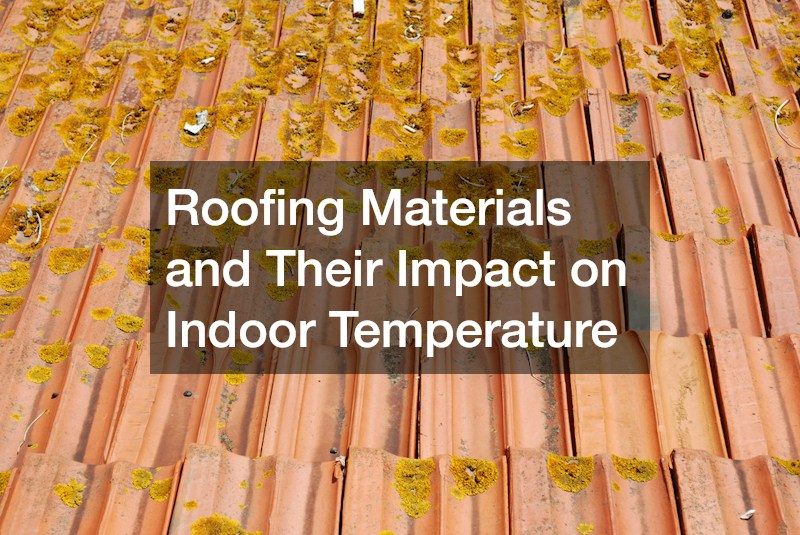
Material choice plays a bigger role than many expect. Standing-seam metal roofs can reflect a significant share of solar radiation and often carry reflectivity ratings far higher than standard shingles, while clay and concrete tiles create natural airflow channels that help heat escape before it ever reaches the attic. Even the color of asphalt shingles matters, with lighter blends and algae-resistant granules performing noticeably better than traditional dark varieties. Homeowners who are comparing options often find that reaching out to roofing companies for an energy efficiency consultation reveals choices they never considered, such as cool roof coatings, reflective granules, or radiant barrier underlayment installed beneath the shingles.
A good consultation will also factor in local climate, roof pitch, and existing ventilation, since these details affect how much benefit any upgrade actually delivers. These upgrades do not just protect the structure, they directly reduce the load on your indoor climate systems, which can translate into measurable savings on monthly utility bills year after year.
Beyond color and reflectivity, the physical construction of the roof matters too. Proper ventilation channels allow hot air to escape before it radiates into living spaces below, which can make a measurable difference in upstairs room temperatures during summer months. A balanced attic ventilation system typically pairs intake vents at the eaves with exhaust vents near the ridge, creating continuous airflow that pushes superheated air outside rather than letting it settle against the attic floor.
Without this, attic temperatures can soar past 150°F on a sunny afternoon, and that heat doesn’t stay contained — it transfers downward through ceiling insulation and drywall, forcing air conditioning systems to work harder and run longer. The type of underlayment and insulation beneath the roofing material also plays a role. Radiant barriers, for instance, reflect heat away before it penetrates the attic space, while denser insulation slows the rate at which heat migrates into the rooms below. Homeowners in hotter climates often see the biggest payoff from upgrading ventilation, since poorly ventilated attics can add several degrees to indoor temperatures and translate into noticeably higher cooling costs over a season.
When an Aging Roof Starts Costing You Money
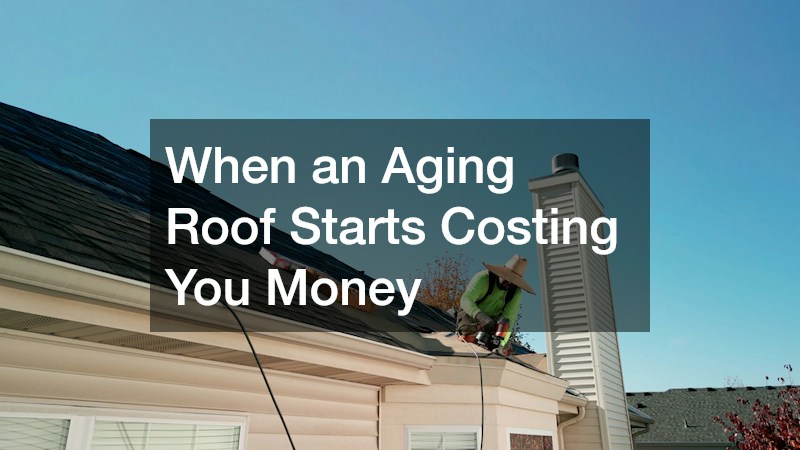
An old roof does not just risk leaks, it quietly drains money through lost insulation value and compromised seals around vents and flashing. As shingles curl, crack, or lose granules, the roof’s ability to block heat transfer weakens, and your energy bills creep upward even if nothing looks obviously wrong from the ground. A roof in this condition can let conditioned air escape through tiny gaps in the decking and underlayment, forcing your HVAC system to work harder just to maintain a steady temperature. Most asphalt shingle roofs start showing these efficiency losses somewhere between 15 and 20 years of age, often well before they develop visible leaks.
Warning signs worth watching for include granules collecting in gutters, shingles that look dark and oily from UV degradation, soft spots in the decking, and attic insulation that feels damp or compressed after storms. Any one of these issues can let heat pour in during summer and escape during winter, undermining whatever efficiency upgrades you have made elsewhere in the house. Scheduling a roof replacement before a full failure occurs is often the more economical choice, since modern materials offer far better thermal performance than products from even fifteen years ago.
Many current shingle lines include reflective granules or cool-roof coatings that can lower attic temperatures by 20 to 30 degrees on a hot afternoon, while upgraded underlayments and ridge vents improve airflow and reduce moisture buildup. When you factor in fewer emergency repairs, lower cooling costs, and the potential for energy-efficiency rebates, replacing an aging roof on your own timeline usually costs less in the long run than waiting for it to fail.
An aging roof rarely fails all at once — it leaks energy long before it leaks water, and the warning signs often hide in plain sight. Uneven attic temperatures, visible daylight through the boards, curling or missing shingles, and rising utility costs despite no change in household habits are all signals that your roof’s insulating performance is slipping. A roof that’s lost its thermal seal can force HVAC systems to run 10-25% longer just to maintain a consistent indoor temperature.
Other clues are easy to overlook: ice dams forming along the eaves in winter, a musty smell in the attic, or granules collecting in gutters after every rainstorm. Each points to compromised ventilation or deteriorating materials that let conditioned air escape and outside air seep in. Catching these signs early gives you more flexibility in choosing materials and timing the project around milder weather.
Scheduling a replacement in spring or fall, rather than during a sudden midsummer or midwinter failure, often means better contractor availability, more competitive pricing, and the ability to compare options like metal, architectural shingles, or reflective coatings on their energy merits rather than settling for whatever’s available in an emergency.
- Granule loss or bald patches on shingles, often visible as dark streaks in gutters or on the ground below
- Soft spots or sagging in the roof deck, which can signal trapped moisture or rotting wood underneath
- Daylight visible through attic boards, a clear sign that insulation and air barriers have failed
- Noticeable temperature differences between floors, especially upper rooms feeling hotter in summer or colder in winter
- Rising energy bills with no change in usage, sometimes jumping 10-20% year over year
- Curling or cracked shingle edges, which let conditioned air escape through the roofline
- Musty odors or visible mold in the attic, indicating ventilation gaps that waste HVAC energy
- Ice dams forming along the eaves in winter, a sign heat is leaking upward and melting snow unevenly
Metal Decking as a Long-Term Energy Solution
For homeowners considering a full roof overhaul, roof metal decking has become an increasingly popular choice because of its durability and reflective properties. Unlike traditional wood decking topped with asphalt shingles, metal systems reflect a significant portion of solar radiation rather than absorbing it, which keeps attic spaces noticeably cooler. This translates into less strain on air conditioning equipment during peak summer heat and can extend the life of insulation underneath.
Metal decking also tends to hold up better against wind uplift and moisture intrusion, two factors that can compromise a roof’s insulating performance over time. While the upfront cost is higher than standard materials, many homeowners find the long-term energy savings and reduced maintenance offset the difference within a decade or so.
Gutters and Drainage as Hidden Energy Factors
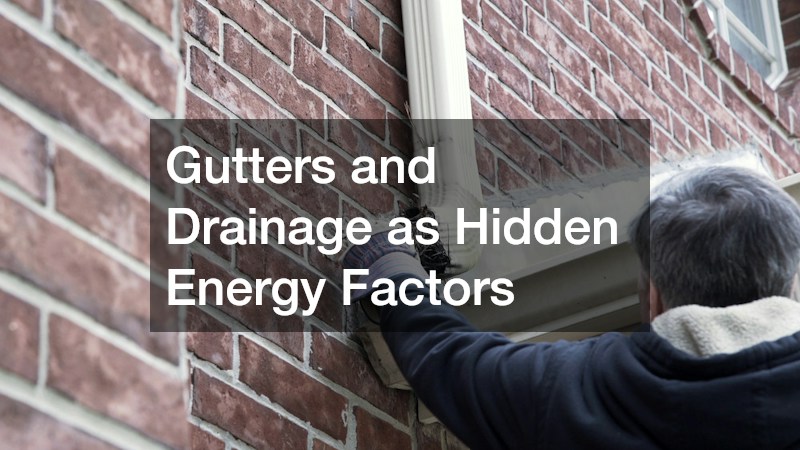
It is easy to overlook gutters when thinking about energy bills, but poor drainage around the foundation can lead to moisture problems that undermine insulation and even damage HVAC equipment stored near the home’s base. Working with an experienced gutter company ensures water is channeled away efficiently, protecting both the structure and the systems that keep your home comfortable. Clogged or poorly sloped gutters can also cause water to seep behind siding, creating damp insulation that loses much of its thermal value.
Regular gutter maintenance is a small investment compared to the cost of repairing water damage or replacing waterlogged insulation. Keeping water moving away from the home protects your energy efficiency investments in the walls and roof above.
Window Coverings and Their Role in Blocking Outdoor Heat
Windows are notorious for letting heat pour into a home during summer and escape during winter, but exterior sun shades offer a straightforward way to intercept solar heat before it ever reaches the glass. These shading systems can reduce cooling costs significantly on south and west facing windows, where afternoon sun is most intense. Unlike interior curtains or blinds, exterior shades block heat before it penetrates the window, making them considerably more effective at reducing indoor temperature spikes.
Many homeowners pair shading solutions with strategic landscaping, such as deciduous trees that provide summer shade and allow winter sun through once their leaves drop. Combining these approaches creates a layered defense against temperature swings that can meaningfully reduce reliance on mechanical cooling.
- Retractable awnings for adjustable coverage
- Fixed louvered shades for consistent shading
- Solar screens that attach directly to window frames
- Pergolas or trellises paired with climbing vines
Keeping Your HVAC Equipment Running Efficiently
Even the best insulated home will waste energy if its climate control equipment is outdated or poorly maintained. Heating and cooling systems lose efficiency over time as filters clog, ducts leak, and components wear down, often without any obvious warning signs beyond a slowly rising bill. Scheduling annual maintenance checks helps catch these issues early, keeping the system running at the efficiency level it was designed for.
Homeowners should also consider how their exterior choices interact with their equipment. A well shaded, properly ventilated roof reduces the workload on air conditioning units, meaning the equipment does not have to run as long or as hard to maintain a comfortable indoor temperature.
Addressing Air Conditioning Problems Before They Escalate
A struggling air conditioning system is one of the fastest ways to see energy bills spike, especially during peak summer months when the unit is running nearly nonstop. Strange noises, weak airflow, or uneven cooling throughout the house are all signs that something is wrong and should not be ignored. Calling for air conditioning repair at the first sign of trouble is almost always cheaper than waiting for a full breakdown, since minor issues like refrigerant leaks or dirty coils tend to worsen and demand more energy to compensate.
Regular filter changes and seasonal tune-ups can extend the life of your system considerably. Pairing proactive maintenance with exterior improvements like shading and reflective roofing reduces the overall burden on the unit, which can meaningfully extend its lifespan.
Grading and Site Drainage Around the Home
The ground surrounding your house plays a surprisingly large role in energy efficiency, particularly when it comes to moisture control. Improper slope near the foundation allows water to pool, which can seep into crawl spaces and basements, dampening insulation and creating conditions that undermine the comfort of your lower levels. Consulting with site grading companies to correct drainage patterns can prevent this moisture buildup and protect the insulating value of your home’s foundation areas.
Good grading also reduces the risk of erosion that can expose foundation elements to temperature extremes and shifting soil. A home with proper drainage maintains more stable indoor humidity levels, helps prevent mold growth in wall cavities, and preserves the structural integrity of the foundation, all of which keep energy performance consistent through every season.
Septic System Maintenance and Its Connection to Home Efficiency
While it may not seem directly related to energy bills, septic system health ties into overall property drainage and moisture management. A failing or overdue septic system can cause groundwater saturation near the home, which indirectly affects basement humidity and insulation performance. Scheduling routine septic pumping prevents backups and saturation issues that could otherwise contribute to damp conditions beneath the house.
Keeping this system on a regular maintenance schedule also avoids costly emergency repairs that could otherwise compete with your budget for energy efficiency upgrades elsewhere in the home.
Outdoor Living Spaces That Support Passive Cooling
Decks and patios are not just gathering spaces, they can also be designed to support better airflow and shade around the home when planned thoughtfully. Working with custom deck builders to incorporate pergolas, overhangs, or strategically placed slats can create natural shading for adjacent windows and walls, reducing heat absorption during the hottest parts of the day. Thoughtful placement of outdoor structures can shield a significant portion of a home’s exterior wall from direct afternoon sun.
These design choices pay off twice, first by creating a more comfortable outdoor living space and second by indirectly reducing indoor cooling needs. A well planned deck or patio extension becomes part of your home’s overall energy strategy rather than just an aesthetic addition.
Your roof and exterior are not isolated features, they work together as a system that determines how much energy your home consumes every month. By addressing drainage, shading, roofing materials, and mechanical maintenance as connected pieces rather than separate projects, you can make smarter decisions that lower bills year after year. Start with an honest assessment of your roof’s age and condition, then work outward toward drainage, shading, and equipment upkeep. Small, well planned investments now can add up to significant savings across every season ahead.