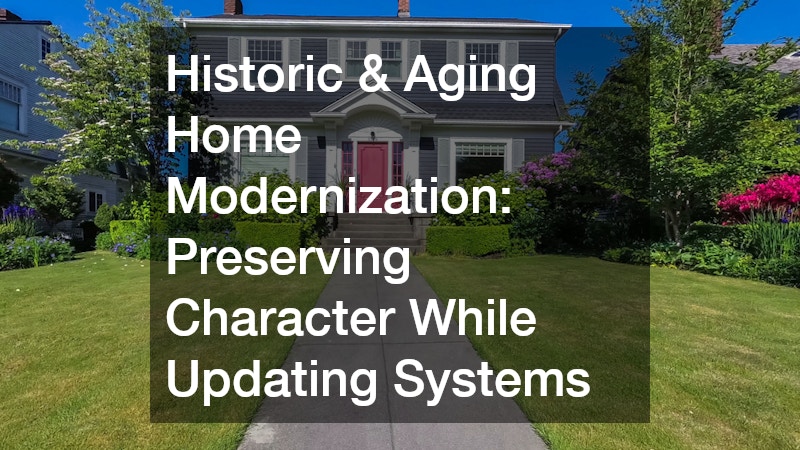
Owning an older or historic home brings a distinct sense of pride to property owners. Grand archways, handcrafted woodwork, detailed exterior brickwork, and custom masonry reflect exceptional craftsmanship from eras long gone by. Yet behind those charming aesthetic features often lie severely outdated mechanical systems, deteriorating building materials, and hidden structural safety hazards. Modernizing an aging property requires a thoughtful, highly strategic approach. The core objective is never to erase historic value, but rather to blend structural integrity and high efficiency with original architectural character.
Homeowners who undertake historic restoration projects quickly discover that updating an old house involves far more than simple cosmetic changes. Structural stability, fire safety, and energy performance must meet current local building codes without compromising vintage visual appeal. When structural elements are updated thoughtfully, the property becomes significantly safer, more comfortable, and much easier to maintain for decades to come. Additionally, updating critical building components helps protect the surrounding structure against severe weather events, pest activity, and long-term material decay.
Before launching any physical construction work, property owners ought to perform a thorough evaluation of the building envelope, core mechanical systems, and local historic preservation guidelines. Many historic municipalities enforce strict zoning rules regarding exterior modifications, paint color palettes, and structural material choices. Understanding these guidelines upfront prevents costly rework, unexpected fines, and frustrating project delays. In addition, notifying providers of homeowners insurance about planned capital improvements ensures that policy coverage limits accurately reflect the true replacement value of specialized historic materials and custom handiwork.
Finding the right balance between historic preservation and contemporary comfort requires careful advance planning, deep patience, and skilled trade professionals. Every single decision, from how to route hidden wiring behind plaster walls to selecting sympathetic exterior cladding, contributes directly to the overall longevity of the structure. By prioritizing structural stability, energy performance, and functional utility, owners can enjoy the elegance of a classic home alongside all the conveniences of modern life.
Roofs, Cladding, and Protecting the Exterior Building Envelope

The exterior building envelope serves as the first line of defense against heavy rain, high winds, ice accumulation, and severe temperature extremes. In aging homes, original exterior materials may suffer from concealed wood rot, pest infestation, moisture penetration, or plain physical wear and tear from decades of exposure. Preserving historic curb appeal while establishing modern weather resistance demands meticulous attention to detail and historical awareness.
Roofing systems on classic houses often feature natural slate tiles, thick cedar shakes, clay terracotta tiles, or hand-soldered copper flashing. Over time, the original waterproof underlayment degrades, allowing moisture to creep behind structural framing members. Contracting a specialized roofing service allows property owners to repair subtle leaks, replace broken tiles with period-correct matches, and upgrade waterproofing underlayments without altering the original roofline. Proper ridge and soffit ventilation must also be integrated beneath the roof deck to prevent destructive ice dams in winter and extreme heat buildup during hot summer months.
Similarly, exterior side walls require delicate, specialized treatment. Historic wood lap siding or vintage masonry mortar beds often show signs of decay after decades of weather exposure. When original exterior panels are damaged beyond repair, hiring experienced siding services ensures that replacement materials, such as fiber cement or milled wood profiles, faithfully mirror the historic reveal, shadow lines, texture, and custom trim details. Modern cladding options offer superior fire resistance and insulation properties while maintaining the authentic architectural lines of the past.
Insulation upgrades within exterior walls should also be approached with caution and technical care. Historic homes were engineered to breathe, meaning internal moisture naturally evaporated through porous building walls. Adding dense modern insulation without proper vapor barriers can trap internal moisture, leading to concealed frame rot and mold growth. Working with building science professionals helps preserve original structural timber while dramatically improving overall thermal efficiency.
Rewiring and Overhauling Aging Electrical Infrastructure

Updating the electrical infrastructure presents one of the most critical challenges in historic home renovation. Knob-and-tube wiring, ungrounded two-prong outlets, cloth-insulated copper lines, and undersized electrical panels represent severe fire hazards that cannot safely support modern kitchen appliances, computers, and climate control equipment. Replacing these outdated systems requires strategic cable routing to avoid destroying original horsehair plaster walls, hand-carved crown molding, or decorative interior wood paneling.
Hiring licensed electricians specialized in historical structures is essential for safe electrical updates. These skilled technicians know how to fish flexible wiring through tight wall cavities, floor joists, and disused chimney flues with minimal disruption to historical wall finishes. Upgrading to a modern two-hundred-amp electrical panel ensures the house can safely handle induction cooktops, modern laundry equipment, dedicated home offices, and electric vehicle charging stations without tripping main breakers.
Integrating arc-fault circuit interrupters and whole-house surge protection further safeguards irreplaceable historical woodwork and structural framing from electrical fires. Trade specialists can also install vintage-style push-button light switches and custom heavy brass cover plates that match early twentieth-century aesthetic designs while housing modern, safe internal mechanics.
Strategic lighting design is another major benefit of comprehensive electrical modernizations. Discreet low-voltage LED accent lighting can highlight detailed plasterwork, exposed structural ceiling beams, and antique fireplace mantels without cluttering clean visual lines. By combining safety upgrades with invisible installations, historic homes gain all the safety and functionality of modern power distribution without sacrificing their vintage soul.
Climate Control and Indoor Air Quality in Older Layouts
Heating and cooling systems in older structures often rely on inefficient gravity furnaces, noisy cast-iron radiators, or ancient oil burners. Adding bulky sheet-metal ductwork through ornate ceilings, tight closets, or detailed baseboards can ruin historical interiors and lower ceiling heights throughout living spaces. Modern HVAC services solve this issue by implementing innovative ductless mini-split systems or high-velocity mini-duct networks.
These compact heating and cooling systems deliver precise multi-zone climate control, superior air filtration, and exceptional energy efficiency while preserving historic plaster walls and original floor plans. High-velocity climate systems use flexible two-inch supply tubes that run easily between existing wall studs and floor joists, exiting through small round vents that blend seamlessly into floorboards or ceiling corners.
Proper indoor climate control also protects antique woodwork, original hardwood floors, structural framing, and built-in cabinetry from swelling, warping, and cracking caused by wide humidity fluctuations. Maintaining stable indoor relative humidity levels year-round ensures human thermal comfort while preventing dry indoor air from shrinking historic wood joint joinery during harsh winter freezes.
Additionally, modern heating and cooling upgrades significantly reduce property carbon footprints and monthly utility expenses. Integrating smart learning thermostats allows homeowners to program temperature schedules tailored to their daily routines, ensuring efficient operation without compromising continuous comfort. Upgrading insulation around access hatches and attic access panels prevents conditioned air from escaping, maximizing the performance of new climate systems.
Modern Plumbing Solutions and Water Line Upgrades
Aging plumbing networks are notorious for hidden slow leaks, low water pressure, and lead or galvanized iron pipes that corrode from the inside out. Updating vintage plumbing systems requires balancing modern sanitation standards and high water pressure with the preservation of historic bathroom and kitchen layouts.
Collaborating with a knowledgeable plumber allows homeowners to replace hazardous galvanized supply lines with durable, flexible PEX or copper piping. Flexible PEX piping can be threaded through existing wall cavities much like electrical wire, avoiding unnecessary demolition of historical plaster surfaces. Trenchless pipe replacement techniques can also update underground sewer lines without destroying historic gardens, brick pathways, or original interior tile floors. Installing modern pressure-regulating valves protects old fixtures from sudden pressure spikes while ensuring consistent water flow throughout the entire house.
Hot water delivery is another area where modern technology dramatically improves daily comfort in older residences. Traditional bulky water storage tanks often take up valuable floor space in cramped cellars or utility closets. Engaging a professional water heater service enables owners to transition to space-saving, high-efficiency tankless units or hybrid heat pump systems. These compact units supply continuous hot water while drastically reducing monthly utility expenses.
When updating plumbing layouts, soundproofing waste lines with cast iron or insulated acoustic wrapping prevents noisy water flow within thin historic interior walls. This subtle acoustic enhancement maintains the peaceful, quiet ambiance of an older residence without sacrificing modern mechanical performance or high-volume drainage capability.
Preserving Antique Bathroom Fixtures and Craftsmanship

Historic bathrooms showcase a unique architectural character that mass-produced modern fixtures simply cannot replicate. Heavy cast-iron clawfoot tubs, porcelain pedestal sinks, nickel-plated bridge faucets, and intricate subway tile surrounds give vintage homes their distinct personality. Tearing out these original elements during a remodel deprives the property of its authentic story and reduces its historical market value.
Instead of replacing original heavy iron bathtubs or chipped ceramic basins, savvy restorers turn to specialized bathtub refinishers to restore worn surfaces to pristine condition. Professional refinishing repairs deep chips, seals micro-fissures, eliminates unsightly rust stains, and applies a durable, high-gloss polyurethane coating that makes vintage tubs look brand new. This refinishing approach saves thousands of dollars compared to structural demolition and keeps heavy, high-quality historical materials out of local landfills.
Preserving original solid wood doors, brass hardware, and built-in medicine cabinets similarly retains intrinsic property value. Restoring original brass door knobs, polishing period glass hardware, and repairing historic mortise locks honors the craftsmanship of past builders while providing satisfying tactile experiences for everyday living.
Where modern sanitation conveniences are necessary, such as installing water-saving low-flow toilets, choosing vintage-inspired designs allows seamless visual integration. High-end plumbing manufacturers now offer fixtures that combine period-accurate silhouettes with advanced internal ceramic disc valves and water-efficient flush mechanisms, providing the best of both worlds.
Harmonizing Outdoor Spaces with Historic Architecture

Modernizing an aging home extends well beyond the interior living space. Historic properties often feature generous lot sizes, mature shade trees, original stone retaining walls, and classic brick walkways. Transforming outdoor grounds into functional living areas enhances everyday enjoyment while increasing overall property appeal and usable square footage.
Incorporating thoughtfully designed hardscaping allows homeowners to create outdoor patios, retaining walls, and custom walkways that complement historic architectural styles. Utilizing reclaimed brick, natural flagstone, or cobble pavers ensures that new outdoor structures look like natural, seamless extensions of the original residence rather than modern additions. Proper slope grading and underground drainage systems must be integrated into outdoor stonework to direct rainwater away from historic foundation walls.
Creating an outdoor culinary area offers an exceptional way to entertain guests while taking advantage of natural surroundings. Building a custom backyard kitchen with natural stone facing, granite countertops, weather-resistant stainless steel appliances, and integrated masonry housing creates a luxurious gathering space. Connecting outdoor utility lines requires careful subterranean coordination to maintain safety standards while completely concealing pipes and electrical lines underground.
Integrating soft ambient landscape lighting, native plantings, and comfortable seating areas turns expansive grounds into tranquil sanctuaries. By respecting original land contours and architectural styles, outdoor living zones harmoniously bridge historic charm and contemporary recreation for family and guests alike.
Budgeting, Permits, and Long-Term Value Protection
Successfully modernizing a vintage home requires strategic financial budgeting, careful municipal permitting, and detailed long-term maintenance planning. Historic renovations frequently uncover unexpected surprises once wall cavities are opened, such as hidden structural settling, past termite damage, undersized framing, or non-compliant historic modifications from decades past. Establishing a generous contingency budget of at least fifteen to twenty percent ensures that projects move forward smoothly without compromising on material quality or architectural craftsmanship.
Working with local historical commissions early in the design stage prevents regulatory hurdles and expensive project halts. Property owners often discover that preservation boards offer valuable advice on authentic material choices and can connect owners with specialized tradespeople skilled in traditional building techniques. In many jurisdictions, qualifying historic updates may render the property eligible for local tax credits, state preservation grants, or utility energy efficiency rebates.
Ultimately, modernizing a historic home is a noble project that balances stewardship with functional living. Preserving architectural integrity while upgrading hidden mechanical systems ensures that these architectural treasures remain safe, comfortable, and structurally sound for future generations to enjoy. Through thoughtful design, quality craftsmanship, and strategic utility updates, aging houses continue to tell their unique stories while providing all the conveniences of modern living.