Key Takeaways
- Choosing equipment matched to your climate zone, square footage, and insulation level is the single biggest factor in long-term operating costs.
- Variable-speed and inverter-driven equipment typically outperforms single-stage models by adjusting output to real-time demand rather than cycling on and off.
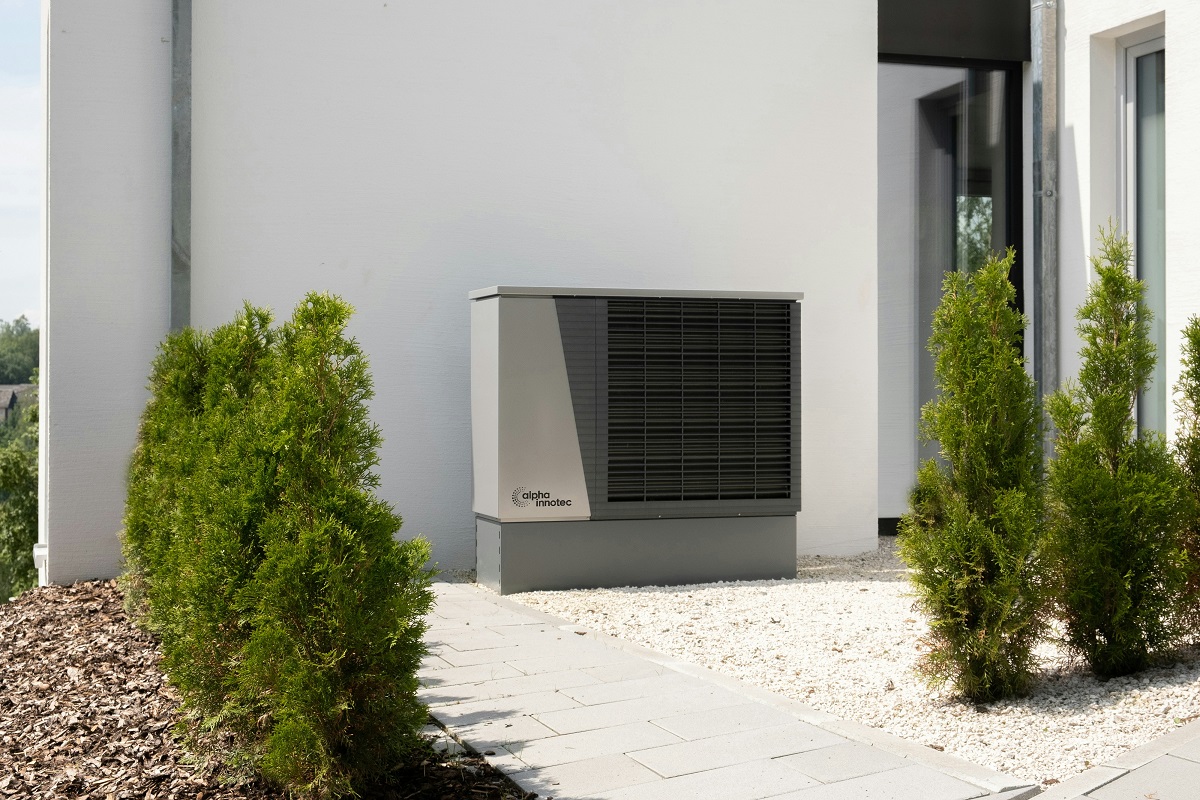
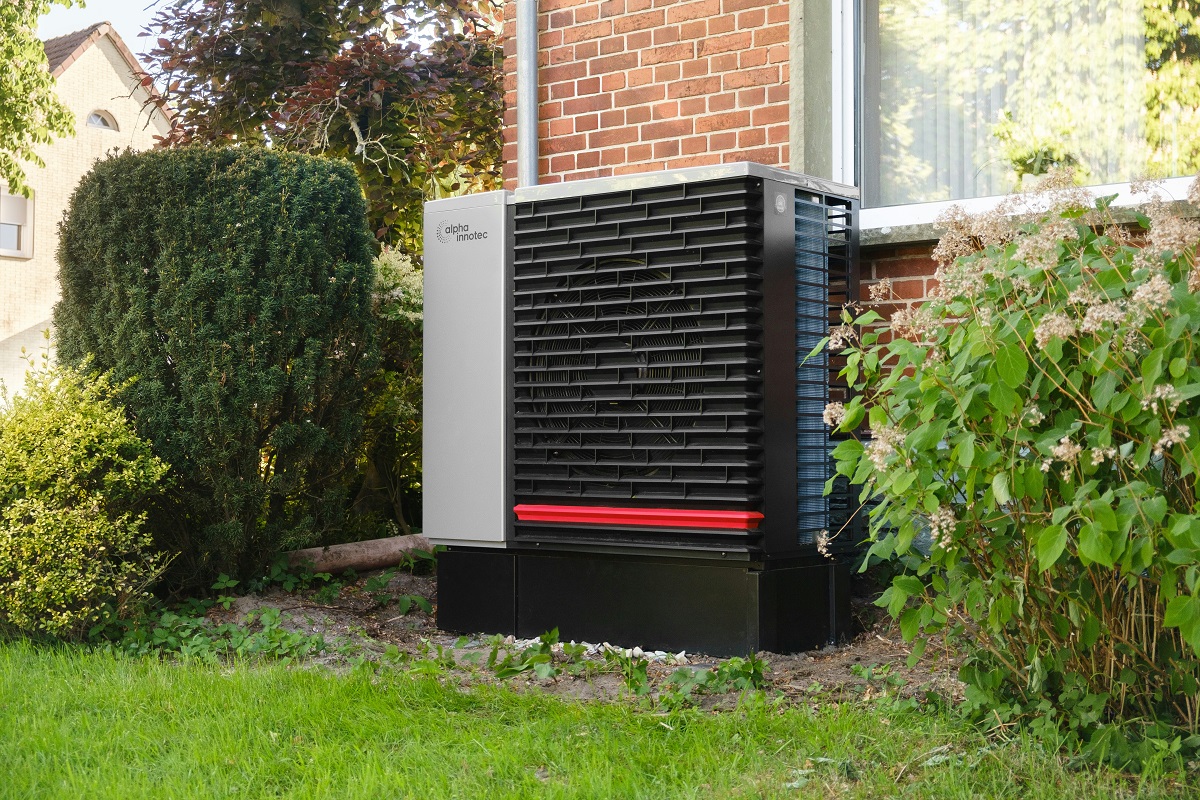
- Heat pumps, including ductless mini-splits and geothermal units, deliver heating and cooling from one system and often cut utility bills significantly.
- Pairing new equipment with duct sealing, insulation upgrades, and weatherization can double or triple the savings compared to the equipment swap alone.
- Higher SEER and HSPF ratings pay back faster in warmer or longer cooling seasons, while cold-climate heat pumps now handle sub-freezing temperatures reliably.
- Smart thermostats, zoning, and routine maintenance keep efficient equipment performing at its rated level year after year.
- Rebates, tax credits, and utility incentives can shave thousands off upfront costs, shortening the payback period dramatically.
Walk into any home on a July afternoon and you can usually hear the air conditioner working overtime. That constant hum is the sound of money leaving your wallet. Heating and cooling account for roughly half of what the average household spends on energy, which means the equipment humming in your basement or clinging to your exterior wall has a bigger impact on your monthly bills than almost any other appliance you own.
The good news is that the gap between an outdated unit and a modern, right-sized one is enormous. We are not talking about trimming a few dollars here and there. We are talking about reshaping your utility costs for the next fifteen to twenty years. The challenge is knowing which path actually pays off, because the showroom brochure is not going to tell you.
This guide walks you through the decision step by step. You will learn how to assess your current situation, compare the main equipment options, and make a choice that keeps paying you back every month.
Step One: Audit What You Already Have
Before you shop for anything new, you need a clear picture of what you are replacing. Pull out your last twelve months of utility bills and look at the swings between summer peaks and shoulder seasons. A steep summer spike points to an inefficient cooling setup. Big winter spikes with electric resistance heat tell a different story.
Next, walk the house. Note the age of the equipment, which is usually printed on a sticker inside the access panel. Anything over twelve years old is a candidate for replacement. Check the SEER rating for cooling and the AFUE rating for a furnace. Older units often sit at SEER 10 or AFUE 70, while modern equivalents can hit SEER 20 and AFUE 97.
Here is what to document during your walkthrough:
- Equipment age and model numbers
- Current SEER, AFUE, and HSPF ratings
- Visible duct condition, including disconnected or crushed sections
- Insulation levels in the attic and walls
- Window and door seal condition
- Rooms that run noticeably hotter or colder than the rest
This checklist feeds every decision that follows. Skip it and you risk oversizing or undersizing whatever you install next.
Step Two: Match the Equipment to Your Climate
Climate drives everything. A homeowner in Phoenix needs very different equipment than one in Minneapolis, and the various types of HVAC systems for homes each shine in specific conditions. Picking the wrong one means paying a premium for capacity you never use, or struggling through extreme days with a unit that cannot keep up.
Hot and Humid Regions
In the Southeast and Southwest, cooling dominates the year. High-SEER air conditioners and heat pumps dominate here because the cooling season is long and brutal. According to the Department of Energy Building America program, upgrading to a SEER 21 system cut seasonal cooling energy use by about 36 percent compared to SEER 13 equipment in Miami and Orlando. That is a dramatic difference for the same number of cooling hours.
Cold and Mixed Climates
Northern homes need serious heating performance. Cold-climate heat pumps have come a long way and now operate efficiently well below freezing, but a dual-fuel setup pairing a heat pump with a gas furnace is still a smart hedge in regions with harsh winter spells. Variable-speed furnaces also handle shoulder seasons far more comfortably than single-stage models.
Step Three: Compare the Main Equipment Options
Once you understand your climate and your existing setup, you can weigh the real contenders. Each HVAC system category has a sweet spot, and matching that sweet spot to your home is where the savings come from. The wrong choice can leave you paying for capacity you never use or struggling with uneven comfort for the next fifteen years, while the right choice quietly pays you back every month on your utility bill.
- Central air conditioner with gas furnace: reliable workhorse for cold-winter regions with existing ductwork, especially where natural gas prices stay low and winter temperatures routinely drop below freezing for extended stretches
- Air-source heat pump: single system for heating and cooling, ideal for moderate climates and increasingly viable in cold ones thanks to cold-climate variable-speed models that maintain capacity down to subzero temperatures
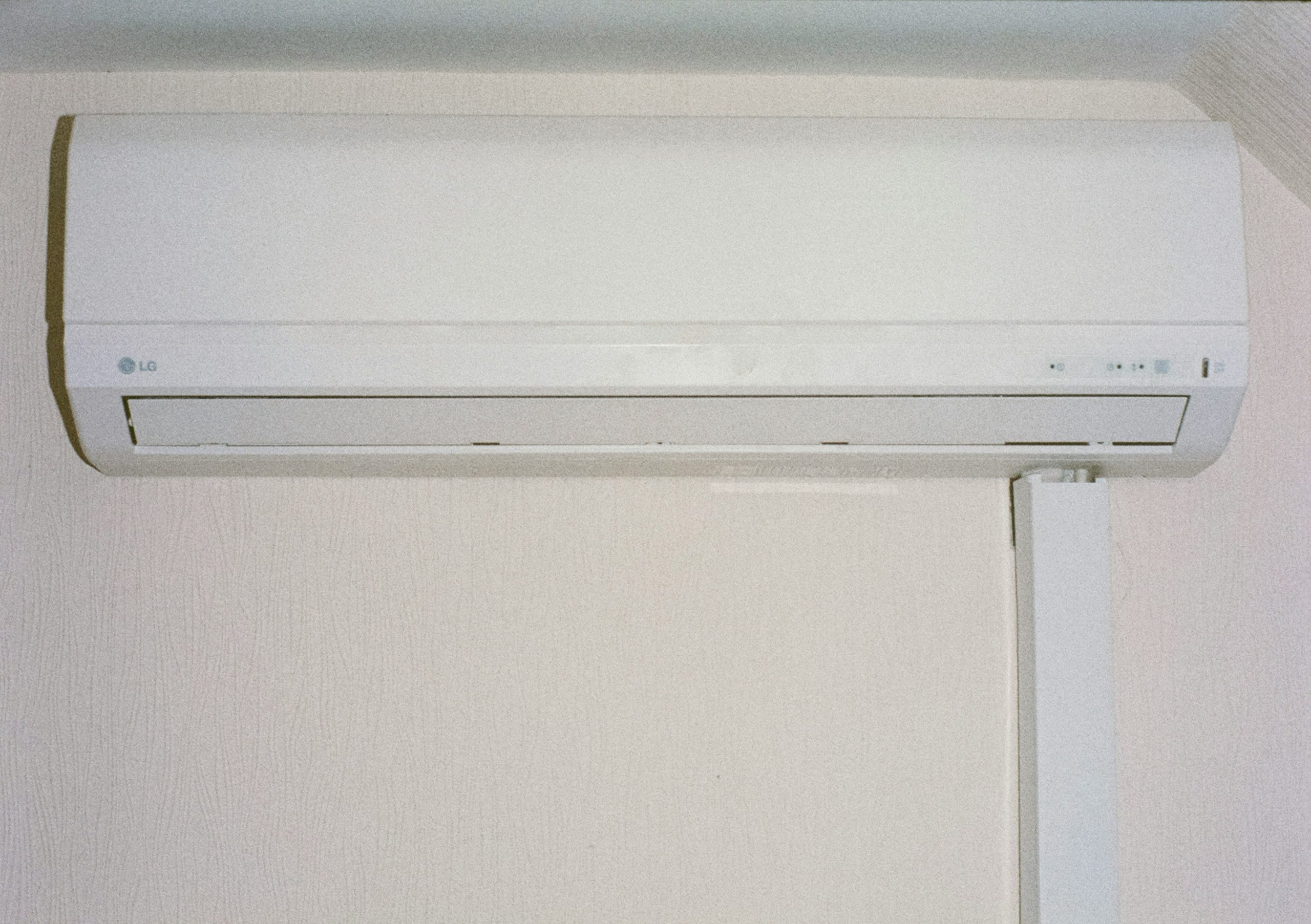
- Ductless mini-split: perfect for additions, older homes without ducts, or zoned comfort control, and often the smartest retrofit for finished attics, sunrooms, garages, or primary bedrooms that run hot or cold compared with the rest of the house
- Geothermal heat pump: highest efficiency available, best for long-term owners with yard space, drilling access, or an existing pond loop opportunity
- Hydronic or radiant systems: quiet, even heat often paired with a separate cooling solution such as a high-velocity air handler or ductless heads
- Packaged units: all-in-one outdoor equipment common in homes without basements, frequently seen in slab-on-grade construction across the South and Southwest
- Dual-fuel or hybrid systems: pair a heat pump with a gas furnace so the system automatically switches to whichever fuel is cheaper at a given outdoor temperature
The upfront price tags vary wildly, but so do the operating costs and lifespans. A geothermal unit might cost three times more to install than a conventional heat pump, yet last twice as long while cutting utility bills in half. A ductless mini-split might cost more per ton than a central system, but if it lets you avoid building new ductwork or heating rooms you rarely use, the real-world payback can be dramatic. Think in terms of total cost of ownership, not sticker price, and run the numbers over a realistic ownership horizon of ten, fifteen, or even twenty years.
It also helps to look at the less obvious line items. Factor in rebates, federal tax credits, utility incentives, and local efficiency programs, which can shave thousands off qualifying heat pumps and geothermal installations. Add in maintenance costs, filter replacements, refrigerant service, and the eventual price of a replacement compressor or heat exchanger. And do not forget the comfort dividend: variable-speed equipment, better humidity control, and quieter operation are hard to put a dollar value on until you live with them.
If you own an older property, equipment selection gets trickier because you also have to consider ductwork constraints, plaster walls, limited chase space, and architectural details that cannot be sacrificed for a bulky air handler. There is good guidance available on balancing historic home preservation with modern comfort that is worth reviewing before you commit to any of the types of HVAC systems for homes on your shortlist.
Step Four: Prioritize Variable-Speed and Inverter Technology
If there is one upgrade that consistently delivers on its promises, it is moving from single-stage equipment to variable-speed or inverter-driven technology. Older units are essentially binary. They run at full blast or they are off. Modern inverter units ramp up and down smoothly, matching output to the exact load the house needs at that moment.
That modulation does two things at once. It eliminates the energy spike of constant startup cycles, and it holds temperatures and humidity levels much more consistently. According to the U.S. Department of Energy, variable-speed inverter equipment can trim annual heating and cooling costs by 20 to 40 percent compared to older single-stage models. That is a massive range, and it comes without any change to your insulation or envelope.
What to Look for on the Spec Sheet
When you compare quotes, ask the contractor to specify the compressor type, the number of operating stages, and the fan motor type. Look for terms like inverter-driven, variable-capacity, and ECM blower motor. A two-stage unit is better than single-stage, but true variable-speed is the gold standard for efficiency and comfort.
Also pay attention to the SEER2 and HSPF2 numbers that replaced the older ratings in 2023. The new testing standards are tougher, so a SEER2 16 unit is roughly equivalent to the old SEER 17. Do not get fooled by apples-to-oranges comparisons when a salesperson quotes you an older rating.
Step Five: Seal the Envelope Before You Size the Equipment
Here is a mistake that costs homeowners thousands of dollars. They replace aging equipment with a shiny new high-efficiency model, then wonder why their bills barely budge. The culprit is almost always the building envelope. Leaky ducts, thin attic insulation, and drafty windows force even the best equipment to work harder than it should.
A blower door test and duct leakage test cost a few hundred dollars and reveal exactly where your conditioned air is escaping. Fixing those leaks first often reduces the required equipment capacity by a full ton, which means you can buy smaller, cheaper equipment and still enjoy better comfort. That sequence matters. Seal first, then size.
Envelope work also stacks beautifully with other smarter home upgrades that reduce household costs, from LED lighting to heat pump water heaters. The combined effect compounds over time in a way single upgrades cannot match.
Where the Leaks Hide
Most homes lose air in predictable places. Focus your sealing efforts here:
- Attic hatches and recessed lighting penetrations
- Rim joists in the basement or crawlspace
- Duct seams in unconditioned attics or crawlspaces
- Plumbing and electrical penetrations through top plates
- Fireplace dampers and chimney chases
Mastic sealant on ducts and spray foam around penetrations deliver outsized returns for very little money.
Step Six: Add Controls, Zoning, and Maintenance
Equipment choice gets most of the attention, but the controls layered on top determine whether you actually capture the efficiency you paid for. A smart thermostat with learning capability can trim another 8 to 15 percent off heating and cooling costs by setting back temperatures when nobody is home and ramping back up just before you arrive.
Zoning takes that logic further. Instead of conditioning the whole house to one setpoint, zoning dampers or multi-head ductless setups let you cool the bedrooms at night and the living areas during the day. Rooms you rarely use get minimal conditioning, which is where a lot of waste hides in larger homes.
Then there is maintenance, which is the least glamorous and most profitable habit in the whole equation. A dirty filter can cut airflow by 20 percent, forcing longer run times and premature wear. Annual tune-ups catch refrigerant leaks, loose electrical connections, and failing capacitors before they become expensive breakdowns.
A Simple Annual Routine
- Change filters every one to three months depending on type
- Clear outdoor condenser coils of leaves, grass clippings, and debris
- Schedule a professional checkup each spring and fall
- Keep supply and return registers unblocked by furniture or rugs
- Flush the condensate drain line to prevent clogs and water damage
Stick to that rhythm and your equipment will hit its rated efficiency year after year rather than slowly drifting downward.
Step Seven: Stack Rebates, Tax Credits, and Financing
The Inflation Reduction Act, state energy offices, and local utilities have poured money into high-efficiency equipment incentives. Federal tax credits currently cover 30 percent of heat pump and geothermal installation costs up to generous caps. Many utilities layer their own rebates on top, sometimes reaching several thousand dollars for qualifying equipment.
Before signing any contract, check your utility’s website, the Database of State Incentives for Renewables and Efficiency, and your contractor’s list of manufacturer promotions. Stacking two or three incentives can turn a stretch purchase into an easy decision. Low-interest financing from state green banks and on-bill utility programs further smooths out the upfront cost.
Payback periods that look like ten years on paper often shrink to four or five once the incentives are applied. That changes the math entirely.
Final Thoughts
Lowering your energy bills with better heating and cooling equipment is less about chasing the single highest efficiency rating and more about matching the right technology to your climate, your home, and your budget. The audit, the envelope work, and the control strategy matter just as much as the box on the pad outside. Homeowners who treat the project as a system rather than a shopping trip consistently see the biggest savings.
Take the time to document what you have, understand what your climate actually demands, and insist on variable-speed equipment sized to a tight envelope. Layer in smart controls, commit to regular maintenance, and chase every rebate you qualify for. Done well, the upgrade pays for itself long before the equipment reaches the end of its useful life, and your monthly bills reflect that savings for years to come.
The decision in front of you is bigger than a single purchase. It shapes your comfort, your utility costs, and your home’s resale value for the next two decades. Approach it with the same care you would bring to any major investment, and the equipment you choose will reward you every month it runs.