
That small roof stain, the faint drip under a pipe, or the patchy brown spot on your lawn rarely feel urgent. But outdoor and home systems problems almost never stay small if you ignore them, and the cost of waiting usually multiplies while you’re not looking. Understanding which minor issues turn into major expenses can help you prioritize repairs before they drain your savings. This article walks through the most common deferred maintenance traps and how to catch them early.
Aging Pipes and the Cost of Waiting Too Long
Plumbing problems are easy to ignore because they often hide behind walls or under slabs, where small leaks can quietly cause rot, mold, and foundation damage for months before anyone notices. Older homes with galvanized steel or early copper piping are especially prone to corrosion, which gradually restricts water flow and increases the risk of a sudden burst pipe. By the time you notice discolored water or a drop in pressure, the damage inside the walls may already be extensive.
Many homeowners put off repiping because it sounds like a massive undertaking, but delaying it often costs far more in water damage repairs, mold remediation, and higher water bills than the project itself would have cost. A plumber can usually assess pipe condition during a routine inspection and tell you whether you have years left or whether you’re on borrowed time. Catching the problem early also gives you more flexibility to plan the work around your schedule rather than responding to an emergency.
- Watch for recurring low water pressure in multiple fixtures
- Note any metallic taste or rust-colored tint in tap water
- Check exposed pipes in the basement or crawlspace for flaking or greenish buildup
- Keep an eye on unexplained spikes in your water bill
Cooling System Breakdowns That Cost More Over Time

An air conditioner that struggles to keep up on hot days is often dismissed as a minor annoyance, but ignoring the warning signs usually means the compressor or other major components are working overtime. Over months of strain, small issues like a dirty filter or low refrigerant can evolve into total system failure, which is both more expensive and far less convenient than catching the problem early. A unit that cycles constantly or blows warm air intermittently is telling you something worth listening to.
Scheduling AC repair at the first sign of trouble typically costs a fraction of what a full system replacement would run, and it also extends the lifespan of the unit you already have. Energy bills tend to creep up as a struggling system works harder to reach the same temperature, so the cost of neglect shows up gradually on your utility statement even before the unit fails outright. Many people don’t connect those rising bills to their cooling system until a technician points it out during a routine checkup.
- Unusual noises like grinding, rattling, or hissing from the unit
- Warm air coming from vents despite the thermostat setting
- Frequent cycling on and off throughout the day
- A noticeable increase in humidity indoors
- Rising energy bills with no other explanation
Lawn Pest Problems That Spread Beyond the Yard
A yard that looks healthy on the surface can still be hosting pests that pose real risks to people and pets. Ticks in particular thrive in tall grass, leaf litter, and shaded brush piles, and they don’t need much space to establish a foothold. Left unaddressed, a small population can spread across the entire property within a single season, especially in warmer climates where breeding continues for most of the year.
Routine tick control is one of those outdoor maintenance tasks that feels optional until someone in the household gets bitten or a pet comes inside covered in them. Beyond the itch and discomfort, ticks carry diseases that can cause lasting health problems if not caught early, which makes prevention far cheaper than treatment. Regular yard maintenance, including keeping grass trimmed and clearing debris near fence lines, makes a noticeable difference in reducing tick habitat.
- Keep grass mowed short, especially near wooded or shaded areas
- Clear leaf litter and brush piles where ticks like to hide
- Create a barrier of wood chips or gravel between lawn and wooded areas
- Check pets regularly after outdoor time
- Consider seasonal treatments during peak activity months
Roof Damage That Starts Small and Spreads Fast
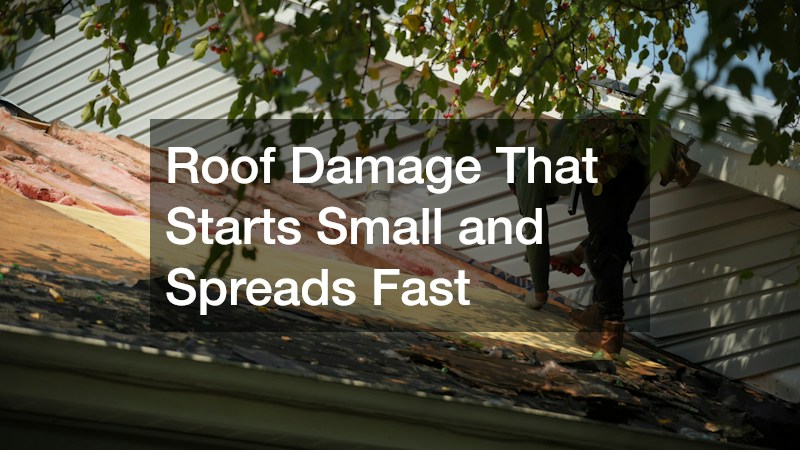
A missing shingle or a small soft spot on the roof rarely seems like an emergency, which is exactly why it’s so dangerous to ignore. Water finds the smallest opening and works its way into the decking, insulation, and eventually the ceiling below, often causing damage that’s invisible from the ground. By the time a stain appears on your ceiling, the moisture has typically been seeping in for weeks or longer. What makes roof leaks especially costly is how quietly they spread. A single compromised shingle can let water travel sideways along the roof deck, soaking rafters and framing far from the original entry point. That hidden moisture creates ideal conditions for mold and wood rot, both of which weaken the structure long before any visible sign appears indoors. The financial gap between early and late intervention is significant. Replacing a few shingles might cost a couple hundred dollars, while repairing rotted decking, damaged insulation, and ceiling drywall after a prolonged leak can easily run into the thousands. Mold remediation alone, if the moisture lingers long enough, can add several thousand more. Seasonal changes make small roof issues worse faster than most homeowners expect. Freeze-thaw cycles widen cracks and loosen flashing, while heavy spring rains push water through gaps that a summer drizzle never would have found. A roof issue left unaddressed through even one winter can go from a minor patch job to a full section replacement.
A small roof leak rarely stays small for long. Water that seeps in through a cracked shingle or failed seal can travel along rafters and soak insulation before it ever shows up as a stain on your ceiling. By the time you notice the damage indoors, you may already be looking at rotted decking, moldy drywall, or even compromised framing. Getting ahead of roof repair while the damage is still localized can save thousands compared to addressing a full structural failure later. A patch job on a few shingles might run a few hundred dollars, while replacing rotted plywood sheathing, insulation, and drywall after a prolonged leak can easily climb into the five-figure range. The longer water has access to your home’s interior, the more systems it threatens, from electrical wiring to HVAC ductwork. Reputable roofing companies will typically offer a free inspection and can identify trouble spots like cracked flashing, worn sealant, or granule loss long before they become visible leaks. They’ll also check less obvious areas, such as valleys where two roof planes meet, pipe boots around vents, and the condition of gutters that can trap moisture against the roofline. Catching granule loss early matters too, since bare patches on shingles accelerate UV damage and shorten the roof’s remaining lifespan. Scheduling an annual roof checkup, especially after major storms, is one of the simplest ways to avoid a costly surprise. Hail, high winds, and falling branches can all create entry points for water that aren’t obvious from the ground. A quick seasonal inspection, paired with prompt attention to any flagged issues, is far cheaper insurance than waiting for a ceiling stain to force the issue.
- Granules collecting in gutters or at downspout exits, a sign shingles are wearing thin and losing UV protection
- Bald or shiny patches on shingles where granules have worn away completely
- Sagging areas or soft spots when walking the roof, often meaning the decking underneath is rotting
- Shingles that curl, crack, or lift at the edges, letting wind drive water underneath
- Daylight visible through the attic boards, a clear sign of gaps that let in rain, pests, and lost heat
- Rusty or corroded flashing around chimneys, vents, and skylights where leaks typically start
- Water stains on interior ceilings or upper walls, even faint yellow-brown rings that seem minor
- Musty odors or visible mold in the attic, signaling moisture has been trapped for a while
Choosing the Right Help for Seasonal Home Systems Checks
Many homeowners wait until something fails completely before calling a professional, but a seasonal checkup is usually far cheaper than an emergency visit. Spring and fall are ideal times to have your cooling and heating systems inspected, since technicians can catch wear and tear before extreme temperatures put additional strain on the equipment. Comparing a few AC companies before you need one urgently also gives you time to check reviews, licensing, and warranty terms without the pressure of a breakdown.
It helps to build a short list of trusted local providers before you’re in crisis mode, so you’re not scrambling to find someone available on the hottest day of the year. Ask neighbors or search local directories for companies with consistent reviews over several years rather than a handful of recent five-star ratings. A provider willing to explain the problem in plain language, rather than pushing an immediate replacement, is usually a good sign of trustworthy service.
- Verify licensing and insurance before scheduling work
- Ask about maintenance plans that include seasonal tune-ups
- Request a written estimate before any repair begins
- Look for transparent pricing on diagnostic visits
Cracked Driveways and the Hidden Cost of Water Intrusion
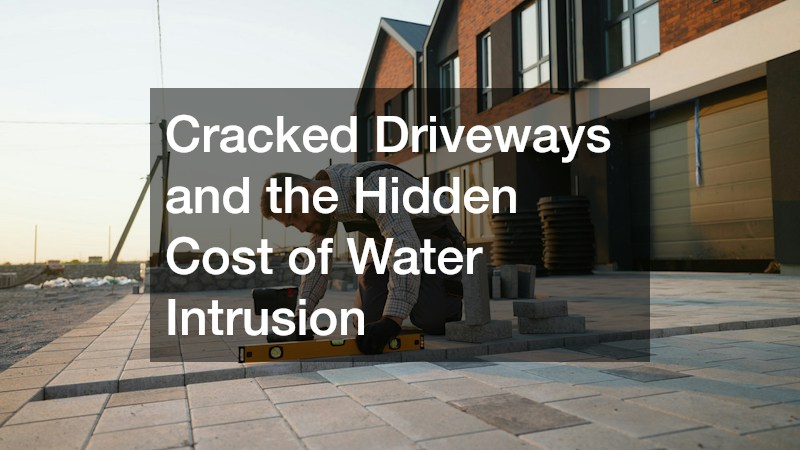
A hairline crack in the driveway looks cosmetic, but water seeps into that gap every time it rains, freezing and expanding during colder months until the crack widens into a pothole. Once water reaches the base layer beneath the surface, it undermines the structural support of the entire driveway, leading to sinking, heaving, or crumbling edges. What starts as a simple patch job can turn into a full tear-out and repour if left unaddressed for a few seasons.
Asphalt paving is particularly sensitive to this kind of gradual water damage because the material is porous compared to concrete, which means small cracks need attention sooner rather than later. Sealing a driveway every two to three years significantly slows this deterioration and keeps repair costs low. A professional assessment can also catch drainage problems, like water pooling near the garage, before they erode the surface from below.
- Fill small cracks as soon as they appear, ideally before winter
- Reseal the surface every two to three years
- Watch for pooling water after rain, which signals drainage issues
- Avoid heavy vehicle loads on newly paved or patched sections
Fencing and Deck Wear That Signals Structural Decline
Wood fences and decks weather gradually, and a little graying or a loose board often gets written off as normal aging. But moisture trapped in untreated wood leads to rot that spreads from the inside out, often reaching structural posts before it’s visible on the surface. A deck that feels slightly springy underfoot is usually further along in decay than it appears.
Catching this early typically means replacing a board or two rather than rebuilding an entire section, which is a meaningful difference in both cost and safety. Annual inspections, especially of ground-contact posts and areas near downspouts, can reveal soft or discolored wood before it becomes a hazard. Simple maintenance, like resealing or restaining every couple of years, extends the life of the structure considerably.
- Press on deck boards to check for soft or spongy spots
- Inspect posts where they meet the ground for rot or insect damage
- Reseal or restain wood surfaces every two to three years
- Tighten loose fasteners and replace rusted hardware promptly
Deferred maintenance rarely announces itself loudly; it shows up as a slightly higher utility bill, a stain that grows a little each month, or a crack that widens one winter at a time. The good news is that most of these problems are manageable and affordable when addressed early, long before they turn into structural or financial emergencies. Walk through your property this weekend with a critical eye, note anything that looks even slightly off, and get a professional opinion sooner rather than later. Your future budget will thank you for it.