
Replacing an HVAC system is one of the more expensive decisions a homeowner faces — often ranging from $5,000 to $12,000 or more depending on the system type and home size. Yet many replacements happen prematurely, while others get delayed too long. A thorough pre-replacement assessment is what separates a contractor giving sound advice from one simply moving equipment. Understanding what a qualified contractor should evaluate — and why — helps homeowners enter that conversation with realistic expectations.

System Age and Performance History
The age of a unit tells only part of the story. A 15-year-old furnace that has been professionally maintained annually may outperform a 10-year-old system that has been neglected. Contractors typically start by reviewing the unit’s service records, looking for patterns: recurring refrigerant leaks, repeated blower motor failures, or a history of cracked heat exchangers. Any of those trends suggests the system is entering a cycle of compounding failures rather than a single fixable fault.
Energy performance also enters the picture here. Older systems manufactured before 2006 often carry SEER ratings between 8 and 10. Current federal minimum efficiency standards require new central air systems to meet higher regional thresholds — in most of the US, a minimum of 14 or 15 SEER depending on climate zone. If the existing unit is running well below current minimums, a contractor can model the projected energy savings of replacement against the upfront cost, giving homeowners a concrete payback estimate rather than a vague efficiency pitch.
Ductwork Condition and Sizing
This is where many assessments go wrong — or get skipped entirely. Installing a new, high-efficiency system into leaking or improperly sized ductwork can eliminate 20 to 30 percent of its efficiency gains before a single cubic foot of conditioned air reaches a room. A responsible contractor will inspect accessible duct sections for disconnected joints, deteriorated insulation, and evidence of airflow restriction.
Duct sizing is a separate issue from condition. An older home may have ductwork designed for a unit with a different airflow capacity. If the new system moves more air than the ducts can handle, the result is excessive static pressure — which stresses the blower, shortens equipment life, and creates noise. Contractors should run a Manual D calculation or equivalent to confirm the duct system matches the proposed replacement unit. If it doesn’t, the duct work needs to be part of the project scope, which affects the total cost estimate significantly.
Load Calculations and Home Envelope Changes
Installing the right-sized equipment matters more than most homeowners realize. Oversized systems short-cycle — they reach the thermostat setpoint too quickly, shut off before completing a full dehumidification cycle, and restart frequently. The result is a home that feels clammy despite being technically cooled. Undersized systems run constantly and still struggle on peak days.
A Manual J load calculation accounts for square footage, ceiling height, window area and orientation, insulation levels, and local climate data. What it should also account for are any changes made to the home since the previous system was installed. Attic insulation added in the last five years, new double-pane windows, or an addition off the back of the house all shift the thermal load. Contractors who simply match the existing equipment’s tonnage without running updated calculations are skipping a step that directly affects performance.
Refrigerant Type and Transition Costs
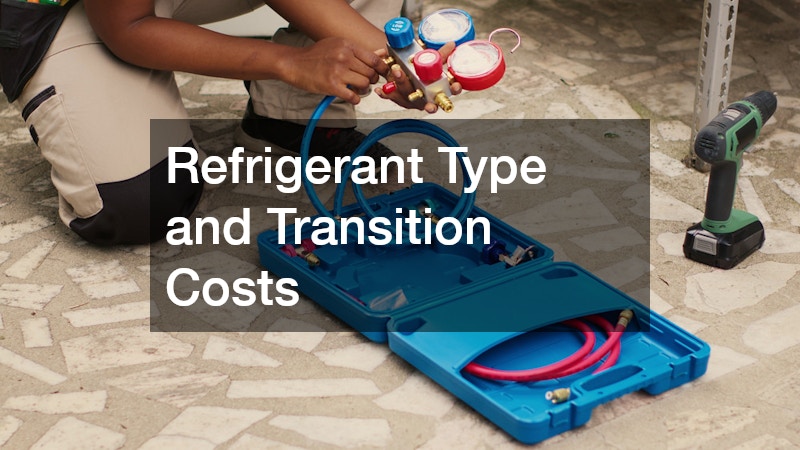
Systems manufactured before 2010 frequently use R-22 refrigerant, which has been phased out under EPA regulations. R-22 is no longer produced domestically, and remaining stockpiles have driven prices sharply upward — in some cases exceeding $100 per pound. If an aging R-22 system develops a refrigerant leak, recharging it may cost more than a portion of a new system’s installation.
This creates a clear decision threshold. A system that is otherwise functional but leaking refrigerant presents a repair-versus-replace calculation with a narrower range of outcomes than most. Contractors should document the refrigerant type, check for active leaks using electronic leak detection equipment, and estimate the recharge cost against the system’s remaining useful life. Where the repair cost exceeds roughly 50 percent of replacement cost — a benchmark used widely in the industry — replacement is typically the more defensible choice. For systems using R-410A, which remains available, that calculus looks different, and repair may still be the right call.
Structural and Mechanical Context Around the Unit
HVAC replacement doesn’t happen in isolation. A contractor doing a proper assessment will look at what surrounds the system. The electrical panel needs to support the new equipment — older 100-amp panels may require an upgrade if the replacement unit draws more power. Clearances around the air handler, furnace, or outdoor condenser matter for both code compliance and serviceability.
Exterior factors matter too. A condenser placed on a deteriorating concrete pad or mounted on aging brackets needs to be addressed as part of the replacement, not discovered mid-installation. Similarly, if the home has had roof repairs done recently, a contractor checking the attic air handler will want to confirm that roofing work didn’t disturb flue venting or penetrations around ductwork — undetected gaps can create pressure imbalances or introduce combustion byproducts into living spaces.
Carbon monoxide and combustion safety checks should be standard on any gas system assessment. Contractors should test flue draft and inspect the heat exchanger for cracks before signing off on either a repair or a replacement recommendation.
Making the Call — Repair, Extend, or Replace
Not every aging system warrants full replacement. Some are better candidates for targeted repair; others benefit from a short extension strategy — addressing one or two specific failures to buy time while the homeowner budgets for a full replacement in 12 to 24 months.
- If a system is under 10 years old, the compressor is still under warranty, and the failure is isolated, repair is almost always the right starting point.
- If the system is 15 or more years old, has had two or more major component failures in the past three years, and carries a SEER rating below current federal minimums, replacement warrants serious consideration.
- Get a second quote if the first contractor recommends replacing a system under 12 years old without providing documentation of a load calculation and duct assessment — those two steps are non-negotiable for a competent recommendation.
Before You Commit to a Replacement Quote
Ask the contractor to provide the Manual J load calculation in writing before any contract is signed. That single document confirms whether the equipment sizing recommendation is based on actual analysis or a quick tonnage match. Also request an itemized breakdown that separates equipment cost from labor, ductwork modifications, and any required electrical upgrades — lump-sum quotes make it nearly impossible to compare proposals fairly.
A system replacement done on solid diagnostic groundwork performs better, lasts longer, and rarely surprises a homeowner with a follow-up repair in year two. The assessment process is where that outcome is determined.