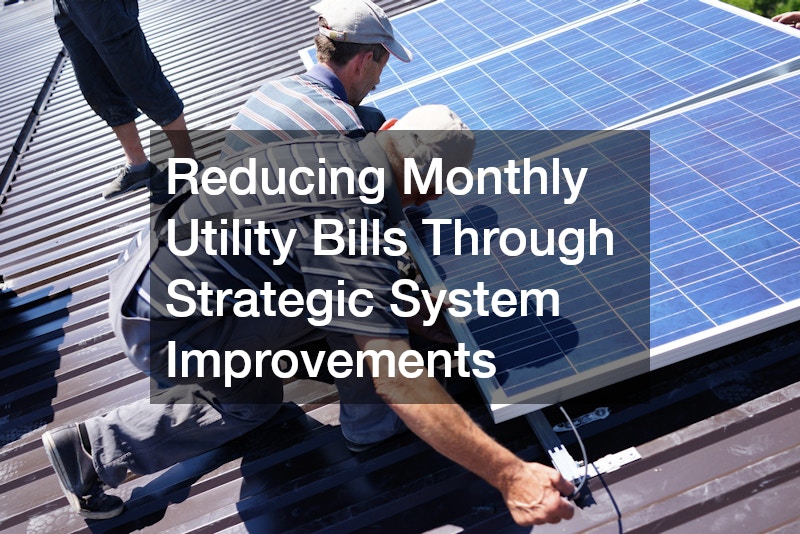
Every month, homeowners watch utility bills climb without fully understanding where the money goes or how to stop the leak. The good news is that many of the biggest culprits behind high energy and water costs are tied to specific systems in and around the home that can be inspected, repaired, or upgraded. Rather than guessing at quick fixes, a strategic look at your roof, electrical wiring, windows, doors, outdoor spaces, and even pest activity can reveal exactly where you are losing money. This guide walks through the most impactful improvements homeowners can make to bring bills down for good.
Start With the Roof Over Your Head
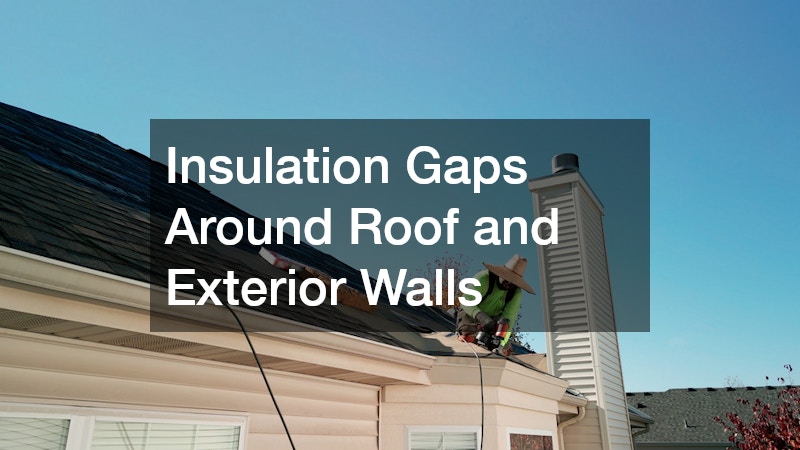
A home loses a significant amount of conditioned air through an aging or damaged roof, which forces heating and cooling systems to work overtime just to maintain a comfortable temperature. Small issues like cracked shingles, gaps in flashing, or poor attic ventilation often go unnoticed until the energy bill spikes or a water stain appears on the ceiling. Even a handful of missing shingles can create drafts that undermine insulation performance across the entire attic space.
Attic ventilation deserves special attention, since a poorly ventilated attic can reach temperatures well above 130 degrees in summer, radiating heat downward into living spaces and forcing air conditioners to run longer cycles. In winter, that same imbalance can trap moisture, leading to mold growth or ice dams that damage both the roof and interior ceilings. A quick inspection of soffit vents, ridge vents, and insulation depth can reveal whether airflow is actually doing its job.

Addressing roof repairs early prevents heat from escaping in winter and keeps hot air from building up in summer, both of which translate directly into lower monthly costs. Homeowners who schedule a professional roof inspection every one to two years often catch minor flashing or seal issues before they become costly leaks. Considering that HVAC systems account for a large share of total energy use, even modest roof improvements can noticeably shorten heating and cooling cycles over time.
Beyond temperature control, a compromised roof can lead to moisture intrusion that damages insulation, making it even less effective over time. Wet insulation can lose up to 50% of its R-value, forcing your HVAC system to work harder and driving energy costs higher even if the leak itself seems minor.
Homeowners should schedule a professional inspection at least once a year, ideally in spring or fall, and always after major storms with high winds or hail. Inspectors typically check for cracked or missing shingles, deteriorated flashing around chimneys and vents, and soft spots in the decking that signal hidden water damage.
Catching these issues early turns a $200 repair into prevention rather than the $5,000-plus replacement job that neglected leaks often become. Attic ventilation is worth a look too, since poor airflow traps heat and moisture, undermining insulation performance no matter how new your roof is.
- Check for missing, curling, or cracked shingles after seasonal weather changes, especially following heavy wind, hail, or snow loads
- Inspect attic insulation for moisture damage or compression, aiming for at least R-38 (about 10-13 inches) in most climates
- Seal gaps around vents, chimneys, and skylights using high-temperature caulk or flashing to stop conditioned air from escaping
- Clean gutters regularly, at least twice a year, to prevent water backup under roofing materials and ice dams in winter
- Verify soffit and ridge vents are unobstructed so attic airflow doesn’t force your HVAC system to work harder
- Consider a reflective or “cool roof” coating in hot climates to cut summer cooling costs
Electrical Systems That Waste Energy Without You Knowing
Outdated wiring, overloaded circuits, and inefficient panels can quietly inflate energy usage while also posing safety risks. Many older homes were not built to handle the electrical demand of modern appliances, smart devices, and HVAC systems, which leads to energy waste and higher bills. Working with residential electrical contractors to evaluate your panel capacity and wiring condition can uncover inefficiencies that are easy to miss during a casual inspection.
Upgrading to energy-efficient lighting, installing programmable thermostats, and adding dedicated circuits for high-draw appliances are all changes that pay for themselves over time. A licensed electrician can also identify phantom energy drains, such as outdated transformers or poorly grounded outlets, that contribute to unnecessary consumption.
- Replace incandescent bulbs with LED alternatives throughout the home
- Ask about load calculations if you have added major appliances recently
- Consider smart plugs to monitor and control energy use by room
- Have older aluminum wiring inspected for safety and efficiency concerns
Doors and Windows as Hidden Energy Drains
Gaps around doors and windows are one of the most common sources of air leakage in a typical home, often accounting for a noticeable percentage of total energy loss. Warped frames, worn weatherstripping, and single-pane glass allow conditioned air to escape year-round. A properly planned door replacement can dramatically reduce drafts, especially when paired with insulated frames and updated seals.
When selecting new doors, homeowners should prioritize materials with strong insulation ratings, such as fiberglass or steel cores, rather than focusing solely on appearance. Weatherstripping should be checked annually since it wears down faster than the door itself. Even small upgrades, like adding a door sweep, can noticeably reduce the workload on heating and cooling systems.
- Look for an ENERGY STAR rating when comparing door and window options
- Inspect weatherstripping for gaps or compression at least twice a year
- Consider storm doors in climates with extreme seasonal temperature swings
- Reseal frames with weather-resistant caulk where needed
Outdoor Living Spaces That Support Energy Efficiency
Many homeowners do not realize that outdoor structures can influence indoor temperatures and energy use. A well-planned deck installation on the shaded side of a home can reduce direct sun exposure on windows and walls, helping to keep interior spaces cooler during warmer months. This is especially useful for homes with large glass doors or windows that face west or south.
Choosing the right materials also matters, since composite decking tends to require less maintenance and lasts longer than traditional wood, reducing long-term repair costs. Positioning outdoor seating or structures strategically can also reduce the need for artificial shading devices like awnings, which add their own energy costs when powered electronically.
- Position decks to provide natural shade for large windows
- Choose composite or weather-resistant materials for lower upkeep
- Add pergolas or shade structures to reduce indoor cooling demand
- Avoid dark decking materials in hot climates, as they absorb more heat
Landscaping and Water Use Working Together
Landscaping choices have a direct impact on both water bills and outdoor energy costs, particularly when it comes to irrigation and shade coverage. Traditional turf lawns are often among the thirstiest parts of a property, sometimes requiring an inch or more of water per week during hot months, while native and drought-tolerant plants can cut that demand by 50% or more once established.
Working with backyard landscaping contractors to design drought-tolerant plantings and efficient irrigation zones can significantly cut water waste while still maintaining a healthy, attractive yard. Contractors can group plants with similar water needs into zones, install drip irrigation instead of overhead sprinklers, and add smart controllers that adjust watering schedules based on weather and soil moisture. These upgrades reduce runoff and evaporation losses, which account for a large share of wasted irrigation water in conventional setups.
Strategic tree placement can also shade the home during peak sun hours, reducing the strain on air conditioning systems. Deciduous trees planted on the south and west sides of a house are especially effective, since they block intense summer sun but allow warming light through in winter after their leaves drop. Even shading an outdoor AC unit or exposed ductwork can improve cooling efficiency and shave a noticeable percentage off summer utility bills.
For homes relying on well water or facing water quality concerns, portable water purification systems offer a flexible way to ensure clean water access without the cost of a full-scale filtration overhaul. Units using UV sterilization, activated carbon, or compact reverse osmosis membranes typically run $150 to $500, making them far more affordable than whole-house systems that can cost several thousand dollars to install. These systems can be especially useful for outdoor kitchens, garden irrigation testing, or temporary water needs during landscaping projects.
On the landscaping side, pairing drought-tolerant or native plants with drip irrigation can cut outdoor water use by 30 to 50 percent compared to traditional sprinklers, since water goes directly to the root zone instead of evaporating into the air. Grouping plants by water need, known as hydrozoning, prevents overwatering thirsty areas just to keep low-water plants alive. Adding a rain barrel or two under downspouts can further offset irrigation costs by capturing free water during storms.
Combining smart plant choices with efficient water management, along with portable purification for testing or backup needs, creates a yard that looks good and costs less to maintain year-round.
- Choose native or drought-tolerant plants suited to your climate, such as lavender, yarrow, or ornamental grasses, which can cut outdoor water use by 20-50% compared to traditional lawns
- Install drip irrigation instead of traditional sprinklers where possible, since drip systems deliver water directly to roots and waste up to 50% less than overhead spraying
- Add a smart irrigation controller or rain sensor to automatically skip watering after rainfall, preventing unnecessary runoff and wasted supply
- Group plants by water needs (hydrozoning) to avoid overwatering thirsty species while drowning drought-tolerant ones planted nearby
- Apply 2-3 inches of mulch around plant beds to retain soil moisture, reduce evaporation, and cut down on watering frequency
- Test water quality and pressure before investing in irrigation upgrades, since hard water or low pressure can clog drip emitters and reduce system efficiency

Concrete and Foundation Considerations
Cracks in driveways, walkways, and foundations are not just cosmetic issues; they can allow water infiltration that leads to costly structural damage over time. Hiring experienced concrete contractors to repair or replace damaged surfaces helps prevent moisture from seeping into the home’s foundation, which can affect insulation and indoor humidity levels. Proper grading and sealing also reduce the risk of pooling water near the home’s base.
Concrete surfaces that are cracked or uneven can also create drainage problems that push water toward the house instead of away from it. This added moisture can increase indoor humidity, forcing HVAC systems to work harder to maintain comfortable conditions. Addressing these issues early is a proactive way to protect both your home’s structure and your monthly utility costs.
- Inspect driveways and walkways annually for cracking or shifting
- Ensure proper slope away from the foundation to prevent water pooling
- Seal concrete surfaces every few years to extend their lifespan
- Address foundation cracks promptly to avoid moisture-related energy loss
The Overlooked Role of Pest Control
Pests may seem unrelated to utility bills, but certain infestations can cause damage that directly affects a home’s energy efficiency. Rodents chewing through insulation or wiring, termites weakening structural wood, and insects nesting in wall cavities can all compromise a home’s ability to retain heat or cool air effectively. Scheduling routine pest control services helps catch these issues early, before they lead to expensive repairs or energy losses.
Beyond structural damage, pest activity in attics or crawl spaces can also disturb insulation, reducing its effectiveness and creating drafts. Homeowners who notice unexplained increases in their energy bills should consider a pest inspection as part of their troubleshooting process, especially if there are signs of nesting material or gnawed wiring.
- Schedule seasonal pest inspections, particularly in attics and basements
- Watch for chewed wiring or insulation as a sign of rodent activity
- Seal small entry points around the foundation and roofline
- Address termite damage quickly to prevent structural energy loss
Metal Fixtures and Long-Term Durability
Exterior metal features, such as railings, gates, and fencing, may not seem directly connected to energy costs, but their condition can affect overall home efficiency and upkeep. Rusted or damaged ornamental metals often require more frequent maintenance, and in some cases, deteriorating fixtures near windows or doors can contribute to gaps that let air escape. Choosing durable, weather-resistant metal finishes reduces the need for frequent replacement and helps maintain a tighter building envelope.
Investing in quality metalwork around entryways and outdoor living spaces also improves security and curb appeal without adding ongoing energy costs. Regular maintenance, such as rust prevention treatments, extends the lifespan of these features and reduces long-term replacement expenses.
- Apply rust-resistant coatings to extend the life of outdoor metal fixtures
- Inspect railings and gates near entry points for gaps or damage
- Choose powder-coated finishes for better weather resistance
- Repair loose fixtures promptly to maintain a secure building envelope
Managing Renovation Waste Responsibly
Many of the improvements discussed here, from roof repairs to concrete resurfacing, generate significant debris that needs to be removed efficiently. Renting a 20 yard dumpster rental for larger projects keeps job sites organized and prevents delays that can extend labor costs and project timelines. Planning for proper waste removal in advance is a simple way to keep renovation projects on schedule and within budget.
Efficient waste management also reduces the risk of damage to landscaping or driveways from debris piling up during a project. Homeowners tackling multiple upgrades at once, such as a roof and deck project together, often find that a single appropriately sized dumpster is more cost-effective than multiple smaller pickups.
- Estimate debris volume before choosing a dumpster size
- Schedule pickup and drop-off around your project timeline
- Keep waste contained to protect landscaping and driveways
- Combine projects when possible to reduce overall disposal costs
Lowering monthly utility bills rarely comes down to a single fix; it is the result of addressing multiple systems that work together to keep a home efficient and comfortable. From roofing and electrical upgrades to landscaping, waste management, and pest prevention, every improvement plays a role in reducing waste and long-term costs. Homeowners who take a strategic, room-by-room and system-by-system approach will see the most meaningful savings over time. Start with an honest assessment of your home’s biggest energy drains, then prioritize the upgrades that offer the greatest return for your specific situation.