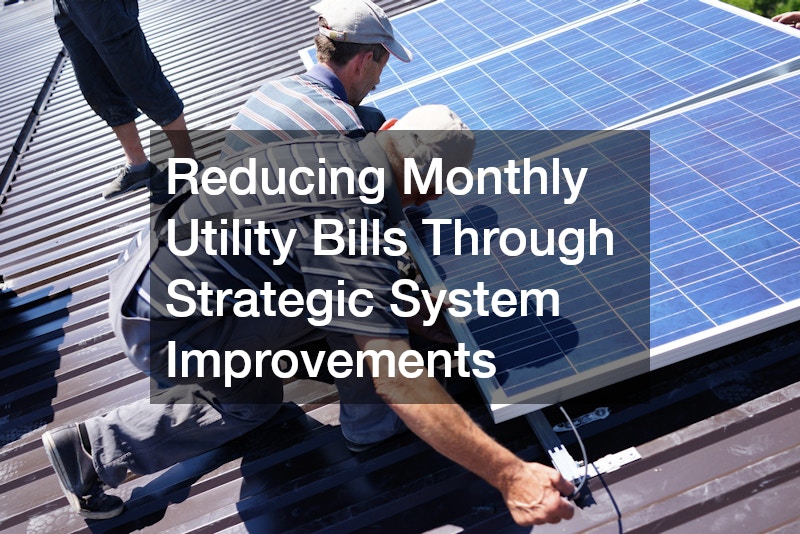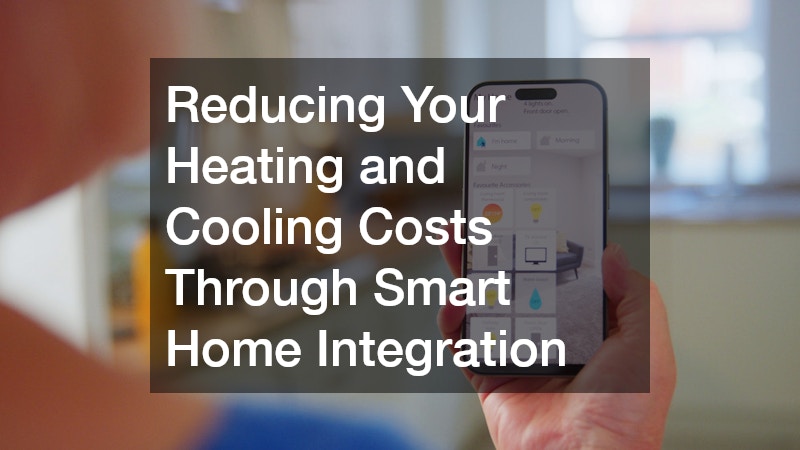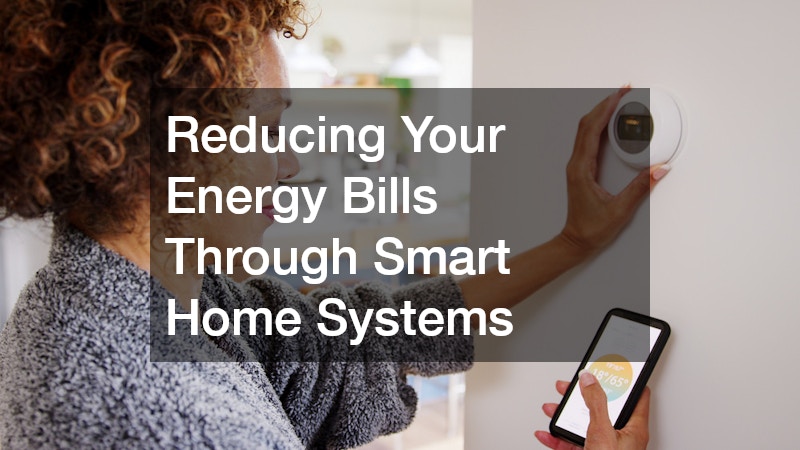
Every month, your energy bill tells a story about how efficiently your home is running, and for many homeowners, that story includes a lot of waste. Between outdated thermostats, aging appliances, and poor insulation, homes often lose energy in ways that are easy to fix once you know where to look. Smart home systems have made it possible to track, control, and reduce energy consumption with far more precision than ever before. This guide walks through practical, research-backed ways to lower your utility costs by combining smart technology with smarter home maintenance decisions.
How Smart Technology Changes Your Energy Habits
Smart home systems work by giving you visibility into something that used to be invisible: real-time energy use. Instead of waiting for a monthly bill to tell you what happened, you can see which rooms, appliances, or systems are drawing the most power right now. This shift from reactive to proactive management is the foundation of nearly every energy-saving strategy discussed in this article. Once you understand your usage patterns, you can make targeted changes instead of guessing.
Many homeowners are surprised to learn that a small number of systems account for the majority of their energy costs. Heating, cooling, and hot water typically dominate the bill, followed by lighting and major appliances. Smart devices let you monitor these categories individually, which makes it much easier to prioritize upgrades that will actually move the needle on your costs.
Upgrading Climate Control for Maximum Efficiency
Heating and cooling systems are usually the single largest energy expense in a home, often accounting for over 40 percent of a monthly utility bill, which makes them the best place to start when looking for savings. A smart thermostat can automatically adjust temperatures based on occupancy, time of day, and even weather forecasts, often reducing heating and cooling costs by ten to fifteen percent. These devices learn your schedule over time and stop wasting energy heating or cooling an empty house.
Popular models like the Nest Learning Thermostat and Ecobee SmartThermostat go a step further by using remote sensors placed in different rooms to detect which areas are actually occupied. This prevents the system from wasting energy conditioning bedrooms during the day or a home office at night. Many models also send monthly energy reports, making it easy to spot unusual spikes in usage.
Geofencing is another useful feature worth considering, since it uses your smartphone’s location to detect when you’re heading home and adjusts the temperature accordingly. This means you never have to manually reset the thermostat after a long day at work or a weekend trip. Combined with occupancy sensors, geofencing helps eliminate the guesswork of manual scheduling entirely.
For homeowners with older HVAC systems, pairing a smart thermostat with smart vents or zoning controls can unlock even greater savings by directing conditioned air only to rooms that need it. This targeted approach avoids the inefficiency of heating or cooling an entire house uniformly. It’s a relatively low-cost upgrade that can meaningfully extend the life of your HVAC equipment while lowering monthly bills.
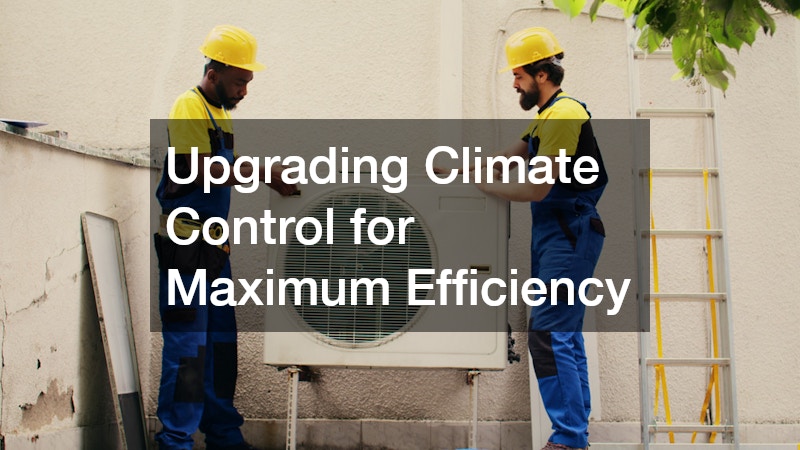
If your current system is more than twelve to fifteen years old, pairing a smart thermostat with a professional hvac installation can multiply your savings significantly. Older systems simply cannot match the efficiency ratings of newer equipment, no matter how smart the thermostat controlling them is. In fact, many units installed before 2010 operate at SEER ratings of 10 or lower, while today’s high-efficiency models regularly reach SEER 16 to 20 or higher.
That gap translates directly into your monthly bill, often cutting cooling and heating costs by 20 to 40 percent once the swap is made. A licensed contractor can also verify proper sizing, since an oversized or undersized unit wastes energy regardless of how advanced its controls are.
A properly sized, modern system combined with smart controls gives you the most accurate temperature management and the lowest long-term operating cost. Look for equipment compatible with variable-speed compressors and zoned ductwork, as these features let your smart thermostat fine-tune output room by room instead of cycling the entire system on and off.
- Smart thermostats learn your schedule and can cut HVAC-related energy use by 10-15%, according to some studies, by automatically adjusting temperatures when you’re asleep or away
- Zoned climate control uses dampers and sensors to heat or cool only occupied rooms, preventing waste in empty bedrooms or guest spaces
- Remote access via smartphone apps lets you adjust settings from anywhere, so you can pre-cool a house before arriving home or fix a forgotten setting while at work
- Geofencing features can automatically trigger temperature changes based on your phone’s location, removing the need for manual adjustments
- Pairing smart controls with updated equipment, like a high-efficiency heat pump or variable-speed furnace, maximizes efficiency gains since older systems may not fully utilize smart scheduling
- Check compatibility before upgrading, as some smart thermostats require a C-wire or specific voltage that older HVAC systems may lack
Rethinking Lighting and Plug Load Usage
Lighting might seem like a minor expense compared to heating and cooling, but it adds up faster than most people expect, especially in larger homes with many fixtures. Smart bulbs and switches allow you to schedule lighting, dim it automatically, or turn it off entirely when rooms are unoccupied. Motion sensors paired with smart lighting are particularly effective in spaces like hallways, garages, and bathrooms where lights are often left on by habit.
Beyond lighting, smart plugs can tackle what energy experts call phantom load, the electricity devices draw even when turned off. Televisions, gaming consoles, and chargers left plugged in continue pulling small amounts of power around the clock. A smart plug or power strip can cut this power automatically on a schedule, eliminating waste you would otherwise never notice.
- Smart bulbs allow scheduling and dimming without manual switches
- Motion-activated lighting reduces waste in low-traffic areas
- Smart plugs eliminate phantom load from electronics left on standby
- Grouped device control simplifies turning off multiple items at once
Sealing the Building Envelope Before Adding Technology
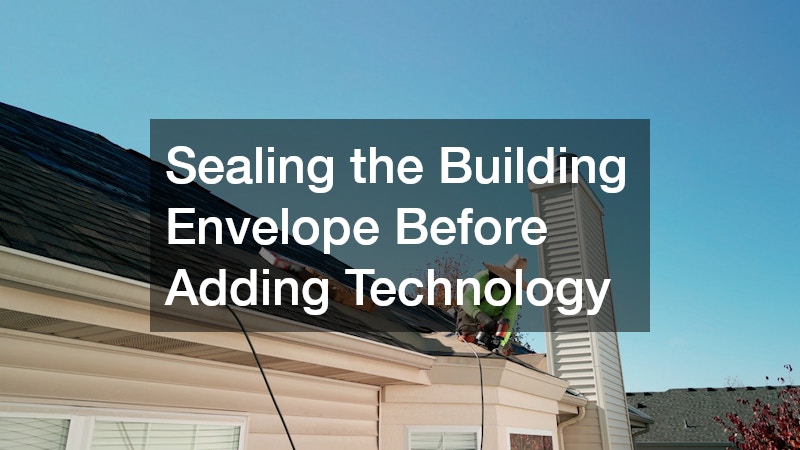
Smart devices can only do so much if your home is losing conditioned air through gaps, poor insulation, or an aging roof. Before investing heavily in automation, it makes sense to have your home evaluated for air leaks and insulation performance, since these issues often explain persistently high bills. A professional energy audit or a simple blower-door test can pinpoint exactly where air is escaping, whether it’s around window frames, attic hatches, recessed lighting, or gaps in the foundation.
Insulation levels matter just as much as sealing. Many older homes have R-13 or lower insulation in the attic when current recommendations call for R-38 to R-60, depending on climate zone. Adding weatherstripping, caulk, and proper attic insulation is often far cheaper than a smart HVAC upgrade and delivers a faster payback.
A home that loses heat through the attic will struggle to stay efficient no matter how advanced its thermostat is. Even the smartest system can’t compensate for a building envelope that’s constantly bleeding conditioned air.
The roof plays a bigger role in energy efficiency than most homeowners realize, particularly when it comes to attic heat gain in summer and heat loss in winter. A poorly insulated or aging roof can account for 25% or more of a home’s total energy loss, since heat naturally rises and escapes through weak points in the attic. If your roof is aging or you are noticing temperature inconsistencies upstairs, requesting a roofing estimate can help you understand whether reflective materials, better ventilation, or additional insulation could reduce your energy load.
When reviewing your options, ask contractors to evaluate a few specific factors: attic insulation levels (R-38 to R-60 is typical for most climates), soffit and ridge ventilation balance, and whether reflective or “cool roof” shingles make sense for your region’s sun exposure. Gaps around vent pipes, chimneys, and skylights are also common culprits for hidden air leaks that undermine even a well-insulated attic. A thorough estimate should flag these details rather than simply pricing a like-for-like replacement.
Addressing these structural issues often produces savings that smart devices alone cannot achieve. A smart thermostat, for instance, can only manage temperature fluctuations it detects—it cannot compensate for heat pouring through an under-insulated attic. Fixing the envelope first ensures that every dollar spent on smart technology afterward delivers its full potential return.
- Air sealing gaps around windows, doors, and outlets reduces the workload on heating and cooling systems, often cutting energy loss by 10-20%
- Attic insulation with an R-value of 38-60 (depending on climate zone) prevents major seasonal temperature swings and keeps conditioned air from escaping through the roof
- Reflective or energy-rated roofing materials, such as cool shingles or metal roofing, can lower cooling costs by reflecting solar heat instead of absorbing it
- Ventilation improvements, including soffit and ridge vents, reduce moisture buildup, prevent mold, and limit heat retention in attic spaces
- Sealing ductwork joints and seams prevents conditioned air from leaking into unused spaces, improving overall HVAC efficiency
- Weatherstripping on exterior doors is a low-cost fix that stops drafts and complements larger insulation upgrades
Managing Outdoor Factors That Affect Indoor Energy Use
Your landscaping has a bigger impact on your energy bill than most people assume, particularly when it comes to shade and airflow around your home. Overgrown or poorly placed trees can block beneficial winter sunlight or trap humid air against exterior walls, making your HVAC system work harder. In some cases, working with a professional for tree removal opens up better airflow and sun exposure, which can noticeably improve indoor comfort during both summer and winter months.
On the other hand, strategically placed trees can reduce cooling costs by shading windows and roofs during peak summer heat. The key is balance, understanding which trees help your energy efficiency and which ones are working against it. A quick seasonal review of your landscaping can reveal opportunities to either add shade where it is missing or remove growth that is blocking airflow and sunlight.
- Shade trees on the south and west sides can reduce summer cooling costs
- Overgrown branches near vents or units can restrict airflow
- Removing dead or diseased trees prevents damage to roofing and siding
- Proper spacing improves both curb appeal and energy performance
Designing Outdoor Living Spaces With Efficiency in Mind

As homeowners invest in decks, patios, and outdoor living areas, it is worth considering how these additions interact with your home’s overall energy performance. Materials matter here, and many homeowners now turn to composite deck builders when planning outdoor upgrades because composite materials require less maintenance and do not absorb heat the same way traditional wood can. Traditional wood decking can reach surface temperatures 20 to 30 degrees higher than composite alternatives on sunny afternoons, radiating that heat toward nearby walls and glass doors.
This can reduce indoor heat transfer near sliding doors and windows adjacent to the deck, easing the load on air conditioning during peak summer months. Positioning pergolas, retractable awnings, or strategically placed shade trees over these spaces adds another layer of protection, blocking direct sun before it ever reaches your siding.
Homeowners should also think about how decking color and orientation affect heat absorption; lighter composite tones reflect more sunlight than darker finishes. Combined with smart shading and thoughtful placement, these outdoor design choices work alongside your home’s smart systems to keep indoor temperatures—and energy bills—more manageable.
A well-designed deck or patio can also serve as a natural shading structure for lower-level windows, reducing direct sun exposure during the hottest parts of the day. Roofed decks, pergolas, or overhangs that extend 2 to 3 feet beyond south- and west-facing windows can block a significant portion of summer sun while still allowing lower-angle winter light to warm the home. Adjustable louvered pergola covers offer even more flexibility, letting homeowners open the slats in cooler months and close them during peak heat.
When planning an outdoor renovation, think about how the placement, materials, and coverage of the space might influence your home’s temperature regulation. Light-colored or composite decking reflects more heat than dark wood, which can reduce ambient warmth near the house by several degrees. Positioning larger structures on the south or west side, where afternoon sun is strongest, typically delivers the greatest cooling benefit.
Small design choices made during construction, such as pairing a shaded patio with strategically placed deciduous trees, can pay off in lower cooling costs for years afterward. Trees that leaf out in summer and drop leaves in winter provide shade when it’s needed most, then allow sunlight through during colder months. Homeowners who combine these elements often see a measurable drop in air conditioning use, translating to real savings on monthly energy bills.
- Composite decking materials resist heat absorption better than traditional wood, staying cooler underfoot and reducing radiant heat transfer to nearby walls and windows
- Covered decks and pergolas can shade windows and reduce indoor heat gain, sometimes lowering interior temperatures by several degrees during peak sun hours
- Proper placement of structures, plants, and fencing avoids blocking beneficial airflow around the home, preserving natural cross-ventilation
- Strategic landscaping, like deciduous trees on the south or west side, provides summer shade while allowing winter sunlight through once leaves drop
- Low-maintenance materials such as composite decking, vinyl railings, and stone pavers reduce long-term upkeep costs and replacement frequency
- Light-colored surfaces and materials reflect more sunlight than dark ones, helping outdoor spaces and adjacent rooms stay cooler in warm months
Maintaining Water Systems to Support Overall Efficiency
Water heating and water-related systems are often overlooked when homeowners think about energy bills, but they play a meaningful role in overall household efficiency. Smart water heater controllers can adjust heating schedules based on usage patterns, reducing the energy spent maintaining hot water around the clock. This is especially useful in homes where hot water demand spikes at predictable times, like early mornings or evenings.
For homes with septic systems, regular maintenance also ties into efficient household operation, since a poorly functioning system can lead to costly repairs and inefficient water processing. Scheduling a septic pump out service on a regular basis helps prevent backups and strain on the system, which indirectly supports smoother operation of connected home systems. Keeping these systems in good working order avoids emergency repairs that can disrupt your household budget and daily routine.
- Smart water heater controls reduce standby heating costs
- Low-flow fixtures paired with smart monitoring cut water waste
- Routine septic maintenance prevents costly emergency repairs
- Well-maintained systems support consistent household efficiency
Bringing Everything Together With Whole Home Monitoring
Once individual systems are optimized, the final step is tying them together with a whole home energy monitoring system. These platforms track electricity, and sometimes water and gas usage, across every major system in your home, giving you a single dashboard to identify trends and catch problems early. Many systems can send alerts when usage spikes unexpectedly, which often signals a malfunctioning appliance or system before it becomes a bigger issue.
This kind of centralized monitoring also helps you measure the actual return on any upgrades you make, whether that is a new thermostat, updated insulation, or a more efficient water heater. Instead of guessing whether a change helped, you can compare month-to-month data with real numbers. Over time, this creates a clearer picture of which investments deliver the best savings for your specific home.
- Centralized dashboards simplify tracking multiple systems at once
- Usage alerts help catch malfunctioning appliances early
- Historical data helps measure the impact of efficiency upgrades
- Monitoring supports smarter, evidence-based decision making
Lowering your energy bills is rarely about one single upgrade, it is about looking at your home as a connected system where climate control, structure, landscaping, water use, and monitoring all play a part. Start by identifying the areas causing the most waste, then prioritize the changes that offer the biggest impact for your budget. Whether that means upgrading your thermostat, addressing your roof, or improving your landscaping, small informed steps add up to meaningful long-term savings. The most effective approach is a gradual one, guided by real data about how your specific home uses energy.