Every month, your utility bills tell a story about how efficiently your home is running, and for many homeowners that story isn’t a happy one. Rising energy costs, aging systems, and small unnoticed problems can quietly drain hundreds of dollars a year from your budget. The good news is that not every fix requires a massive investment, and knowing where to focus your time and money can make a real difference. This guide breaks down the home systems most worth upgrading or repairing, so you can prioritize the changes that actually pay off.
Why Your Attic Is Costing You More Than You Think

Heat rises, and in a poorly insulated home, that rising warm air escapes straight through your attic during winter months, forcing your furnace to work overtime. In summer, the reverse happens as attic heat radiates down into living spaces, driving up air conditioning costs. Many homes built even a decade or two ago have insulation levels well below current recommendations, leaving an easy opportunity for savings.
Bringing in an attic insulation company for an assessment is often one of the fastest ways to identify where you are losing conditioned air. These professionals can measure existing insulation depth, check for gaps around vents and recessed lighting, and recommend the right material and thickness for your climate zone. Because attic work is relatively quick to complete, homeowners frequently see a noticeable difference in comfort and energy bills within the first full season after the upgrade.
- Look for uneven insulation coverage or compressed, matted-down sections
- Check for daylight visible through the attic roof boards
- Notice ice dams forming on the roof edge in winter, a sign of heat escaping upward
- Compare insulation depth to the R-value recommended for your region
Keeping Your Heating and Cooling System Running Efficiently
Your HVAC system is likely the single largest energy consumer in your home, and small inefficiencies compound quickly over a billing cycle. A furnace or heat pump that is short-cycling, making unusual noises, or struggling to maintain a set temperature is working harder than it should. Scheduling heating repair at the first sign of trouble prevents a minor issue from turning into a full system failure during the coldest week of the year.
Regular maintenance matters just as much as repairs when it comes to long-term efficiency. A system that is properly tuned, with clean filters and calibrated thermostats, uses noticeably less energy to reach the same comfort level. Waiting until a system breaks down completely almost always costs more than addressing smaller issues proactively.
- Replace or clean air filters every one to three months
- Have ductwork inspected for leaks that waste conditioned air
- Schedule a professional tune-up before each heating and cooling season
- Watch for spikes in your utility bill that aren’t explained by weather changes
The Hidden Role of Your Home’s Electrical System
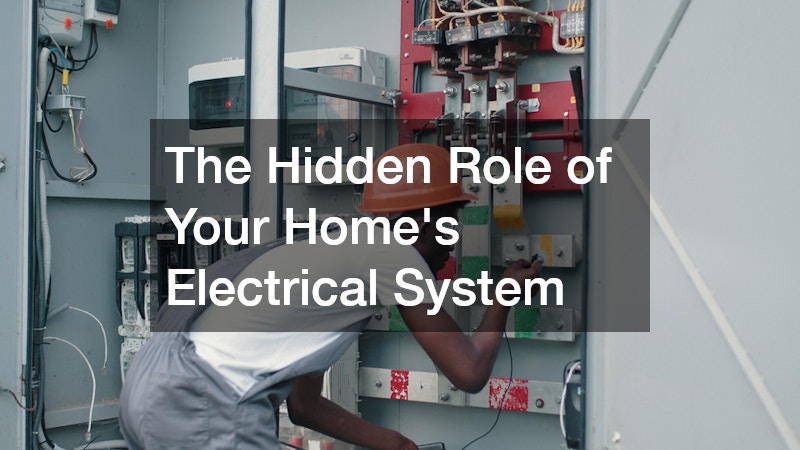
Outdated or overloaded electrical systems don’t just pose safety risks, they can also contribute to wasted energy through inefficient wiring, faulty connections, and outdated panels that aren’t built for modern appliance loads. If your home still relies on an older fuse box or you notice flickering lights when multiple devices run at once, it may be time for an inspection. A licensed electrician can identify where energy is being lost and recommend upgrades that improve both safety and efficiency.
Smart upgrades like updated circuit breakers, energy monitoring panels, and properly rated wiring for high-draw appliances can meaningfully reduce waste. This is especially important for homeowners considering electric vehicle chargers, upgraded kitchens, or added living space, since these additions increase demand on a system that may not have been designed for it.
- Warm or discolored outlet covers can signal an underlying wiring issue
- Frequently tripped breakers often point to overloaded circuits
- Older aluminum wiring may need professional evaluation
- Smart panels can help track which appliances draw the most power
Roofing Decisions That Affect Long-Term Energy Costs
Your roof does more than protect your home from weather, it plays a major role in regulating indoor temperature. Reflective roofing materials, proper ventilation, and an intact roofing surface all contribute to how much heat your home absorbs or loses throughout the year. Damaged or aging shingles allow air infiltration that undermines even the best insulation and HVAC upgrades elsewhere in the home.
Material choice matters more than many homeowners realize. Light-colored or reflective shingles can lower attic temperatures by 20 to 30 degrees compared to standard dark asphalt, while metal roofing with reflective coatings can cut summer cooling costs by up to 10 to 15 percent in hot climates. Attic ventilation, whether ridge vents, soffit vents, or powered fans, keeps heat from building up beneath the roofline and prevents moisture from degrading insulation over time.
Timing also affects your return on investment. A roof nearing the end of its lifespan, typically 20 to 25 years for asphalt shingles, is a natural point to upgrade to more energy-efficient materials rather than waiting for a leak to force the decision. Addressing small issues, like cracked flashing or missing shingles, before they become major problems keeps your entire home envelope performing as designed.
Working with experienced roofing contractors to evaluate your roof’s condition can reveal issues long before they become visible leaks. A thorough inspection typically checks for cracked or curling shingles, deteriorating flashing around chimneys and vents, and soft spots that signal trapped moisture in the decking below. Many contractors also use infrared scans to detect where heat is escaping, pinpointing energy loss that wouldn’t be obvious to the naked eye.
In many cases, targeted roof repairs, such as fixing flashing, sealing gaps, or replacing damaged sections, cost far less than a full replacement and still restore much of the energy efficiency lost to wear and tear. For example, resealing flashing or patching a few damaged shingles might run a few hundred dollars, while a full tear-off and replacement can easily reach into the thousands. Addressing these smaller issues promptly also extends the life of the existing roof, delaying the larger expense for years.
Catching problems early also protects the insulation and structural elements beneath the roofline. Water intrusion from even minor leaks can compress or saturate attic insulation, reducing its R-value and driving up heating and cooling costs. Left unchecked, that same moisture can rot decking and rafters, turning a modest repair into a far costlier structural project down the road.
- Curling, cracked, or missing shingles let conditioned air escape and let outside temperatures seep in, reducing a roof’s insulating value
- Poor attic ventilation traps heat and moisture, which can shorten a roof’s lifespan by years and drive up cooling costs by 10-15% in summer months
- A balanced ventilation system, with both intake vents at the eaves and exhaust vents at the ridge, helps regulate attic temperature year-round
- Granule loss visible in gutters or downspouts often signals a roof nearing the end of its service life, typically after 15-20 years for asphalt shingles
- Reflective or “cool roof” shingles can lower attic temperatures and modestly cut cooling bills in hot climates
- Regular inspections after major storms help catch small issues, like lifted flashing or minor leaks, before they spread into costly repairs
- Scheduling a professional inspection every 1-2 years, in addition to post-storm checks, can extend roof life and preserve energy efficiency
Garage Doors and Their Surprising Impact on Energy Loss
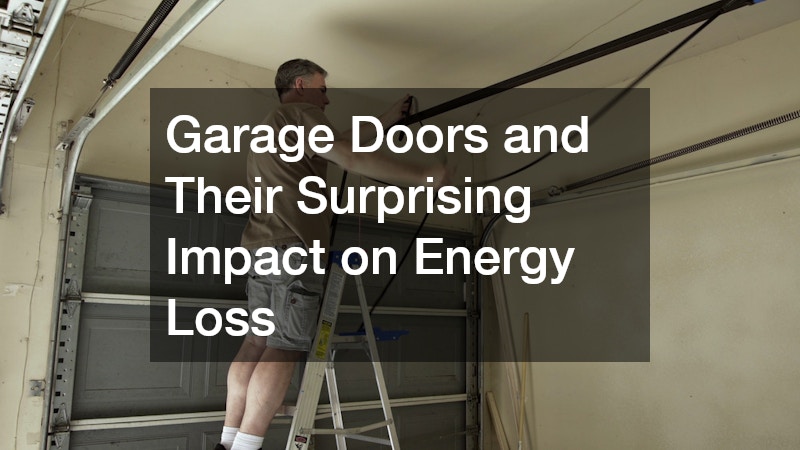
For homes with attached garages, an inefficient garage door can be a bigger energy drain than most homeowners realize, especially if the garage shares a wall with living space. Gaps around an aging door allow outside air to seep in, affecting the temperature of adjacent rooms and forcing your HVAC system to compensate. Weatherstripping wears down over time, and insulation panels inside older doors often degrade or shift out of place.
Bringing in a garage door installer to assess seals, insulation ratings, and overall door condition can uncover an easy efficiency win. Newer insulated garage doors are rated for better thermal performance and can noticeably reduce temperature swings in attached spaces. This is a relatively affordable upgrade compared to many other home efficiency projects, with a payoff that shows up in both comfort and lower bills.
- Check weatherstripping along the bottom and sides of the door for gaps
- Look for visible daylight around the door frame when closed
- Consider the insulation rating if you are shopping for a replacement
- Test the door balance, since a poorly balanced door strains the opener motor
Water Systems That Quietly Drive Up Costs
Plumbing issues are notorious for going unnoticed until a bill arrives showing a dramatic spike in water usage. A slow leak in a supply line, a running toilet, or a failing water heater can waste far more resources than most homeowners expect. Beyond the visible fixtures, underground issues affecting sewer services can also lead to water intrusion, foundation problems, and costly repairs if left unaddressed.
Scheduling a professional inspection of your main lines every few years helps catch root intrusion, corrosion, or blockages before they become emergencies. Older homes with clay or cast iron piping are particularly susceptible to gradual deterioration that isn’t visible from indoors. Addressing these issues early protects both your water bill and your property’s long-term value.
- Watch for slow drains throughout the house, a common early warning sign
- Unexplained wet spots in the yard may indicate an underground leak
- Sudden increases in water bills without a clear cause deserve investigation
- Consider a video inspection before buying an older home
Backyard Features and Their Real Operating Costs

Outdoor amenities add real enjoyment to a home, but they also come with ongoing operating expenses that are easy to underestimate. Pools require consistent pool cleaning and maintenance to keep pumps, filters, and heaters running efficiently, and neglecting this upkeep often leads to higher energy use as equipment strains to compensate for dirty filters or imbalanced chemicals. A well-maintained pool system actually costs less to run over time than one that is serviced irregularly.
To put numbers on it, a standard single-speed pool pump can run up to $300-$500 a year in electricity alone, while a variable-speed pump doing the same job might cost half that. Add a gas or heat pump water heater, and monthly operating costs can swing by another $50-$150 depending on how often the pool is heated and how well it’s covered when not in use. A simple pool cover alone can cut heating costs by 50-70% by reducing evaporation and heat loss overnight.
Chemical balance matters just as much as mechanical upkeep. Skipping routine testing lets pH and chlorine levels drift, forcing pumps and filtration systems to work harder and shortening equipment lifespan. Scheduling regular professional servicing, even quarterly, often costs less than the repairs and energy waste caused by deferred maintenance.
Decorative water features, such as fountains or ponds, also draw continuous power for pumps and lighting, and outdated or oversized equipment can quietly inflate your electric bill. A conventional pond pump running 24/7 can use anywhere from 500 to 1,500 watts depending on size, which translates to $30-$100 or more per month at average electricity rates. Many homeowners are surprised to learn their backyard water feature costs more to run monthly than a refrigerator.
Choosing energy-efficient pumps and timers for these additions can cut consumption significantly without sacrificing the visual appeal they bring to a yard. Magnetic-drive or submersible pumps rated for your feature’s actual water volume—rather than oversized units left over from a previous installation—often use 30-50% less electricity. Pairing these with a simple timer or smart plug that limits operation to daytime or evening viewing hours, rather than running continuously, can cut usage even further.
Solar-powered pump options have also improved considerably and now offer enough output for small to mid-sized fountains, eliminating the electrical draw entirely for some setups. LED lighting is another easy swap, using a fraction of the wattage of older halogen fixtures while lasting years longer.
Regular upkeep extends the life of this equipment and prevents costly emergency repairs. Cleaning debris from intake screens, checking for worn seals, and inspecting wiring each season keeps pumps running efficiently and helps you catch small issues before they turn into an expensive replacement.
- Clean pool filters and skimmers weekly during peak season to reduce pump strain, since a clogged filter can spike energy use by up to 15%
- Use a pool cover to reduce heat loss and evaporation, cutting heating costs by 50-70% and refill needs significantly
- Install timers on fountain and pond pumps to limit unnecessary runtime, running them only during daylight or viewing hours instead of 24/7
- Check for leaks in circulation systems that force pumps to work harder, watching for damp spots or a water bill that creeps up without explanation
- Consider a variable-speed pool pump instead of a single-speed model, since these can cut pump energy costs by 30-50% annually
- Schedule pump run times for off-peak electricity hours if your utility offers time-of-use pricing
Planning Bigger Upgrades With Efficiency in Mind
If your home is due for a larger renovation, it is worth considering efficiency improvements as part of the plan rather than as an afterthought. Projects involving home remodeling construction offer a rare opportunity to upgrade insulation, windows, and mechanical systems all at once, often at a lower incremental cost than tackling each item separately later. Homeowners who build efficiency into the design phase typically see better long-term returns than those who bolt on improvements after the fact.
Even modest renovations, like updating a kitchen or adding a room, are a good time to reconsider window placement, insulation levels, and lighting choices. Thinking about airflow, natural light, and appliance placement during the planning stage can meaningfully reduce the energy demands of the finished space.
- Ask about high-efficiency windows during any renovation involving exterior walls
- Consider upgraded insulation whenever walls or ceilings are opened up
- Plan appliance and lighting placement around natural light and airflow
- Request energy modeling from your contractor for larger projects
Building a Simple Maintenance Routine That Protects Your Investment
Efficiency upgrades only pay off if they are maintained properly over time, which is why a consistent seasonal routine matters as much as the initial investment. Setting reminders for filter changes, inspections, and seasonal system checks helps you catch small problems before they turn into expensive repairs. A simple calendar-based approach removes the guesswork and keeps every system performing at its best.
- Schedule HVAC checks each spring and fall
- Inspect attic insulation and roofing annually, especially after severe weather
- Test electrical panels and outlets periodically for wear
- Review water and energy bills monthly to catch unusual spikes early
Cutting your utility bills doesn’t require tackling every project at once, but it does require knowing where your home is losing the most energy and money. Start with an honest assessment of your attic, HVAC system, roof, and water systems, since these areas typically offer the fastest return on investment. From there, build a simple maintenance routine that keeps small issues from becoming expensive ones. With a clear plan and the right professional support for each project, you can steadily lower your bills while improving comfort and protecting your home’s long-term value.