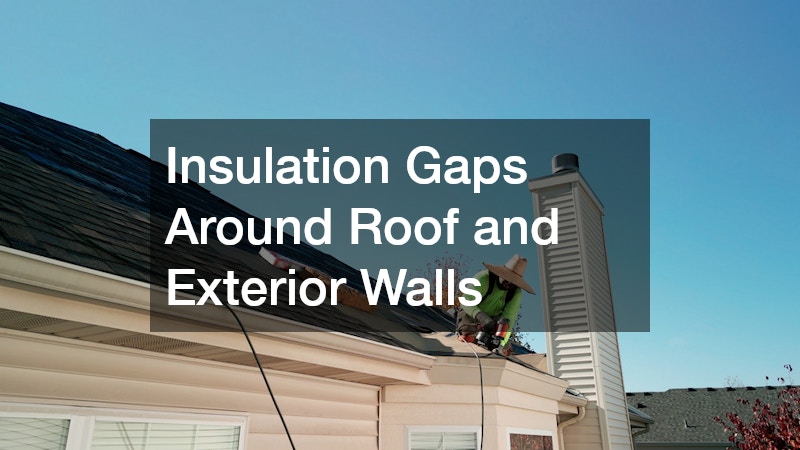
If your home feels drafty in winter or overheated in summer, the culprit might not be your furnace or air conditioner at all. Small gaps in insulation around the roofline and exterior walls are among the most common—and most overlooked—sources of energy loss in residential buildings. These gaps let conditioned air escape while allowing outside temperatures, moisture, and even pests to sneak in. Understanding where these gaps form and why can help you protect your home’s comfort, efficiency, and long-term structural health.
How Small Gaps Lead to Big Energy Losses
Insulation works by creating a continuous thermal barrier that keeps conditioned air inside your home and unconditioned air outside. When gaps form around rooflines, attic hatches, or wall penetrations, that barrier is broken, forcing your HVAC system to work harder and run longer to maintain a steady temperature. The Department of Energy estimates that air leaks and insulation gaps can account for up to 30% of a home’s heating and cooling costs.
Over time, this added strain can shorten the lifespan of your heating and cooling equipment and drive up utility bills significantly. Even a gap as small as a quarter-inch around a window frame or duct connection can let in enough outside air to force your system into near-constant operation. Multiply that across several small gaps throughout the roof and walls, and the cumulative effect can rival a single large hole in your building envelope.
Homeowners often notice the symptoms before they identify the cause, such as uneven room temperatures, drafts near ceilings and walls, or a furnace that seems to run constantly without ever quite catching up. A bedroom that’s chilly in winter while the living room stays warm, or a second floor that turns stuffy in summer, are classic signs that conditioned air is escaping through gaps where the roofline meets exterior walls.
These issues tend to worsen gradually, which is why many people don’t realize how much energy they are losing until they review a year’s worth of utility statements. The Department of Energy estimates that air leaks account for 25-30% of heating and cooling energy use in the average home, and small gaps around top plates, attic hatches, and wall-to-roof junctions are frequent contributors. Because the loss happens in small increments day after day, it rarely shows up as a single alarming spike, making it easy to blame instead on an aging HVAC system or simply “an old house.”
By the time homeowners connect the dots, they may have spent hundreds of dollars annually heating or cooling air that never actually stayed inside the living space.
- Higher than expected heating and cooling bills, sometimes 10-20% above typical usage for a home your size, as conditioned air escapes through unsealed seams
- Rooms that feel colder or hotter than the rest of the house, especially upper floors and rooms near attic access points or bonus rooms above garages
- Noticeable drafts near ceiling lines, recessed lighting, wall outlets, and switch plates, where gaps in the building envelope let outside air slip through
- Ice dams forming on the roof in winter, caused by escaping heat melting snow that refreezes at the eaves and can damage shingles and gutters
- HVAC systems that run longer or cycle more frequently than they should, adding wear to equipment and shortening its expected lifespan
- Musty odors or visible condensation on windows and walls, signs that escaping warm air is meeting cold surfaces and creating moisture problems
Where Roofline Insulation Gaps Typically Form
The roofline is one of the most vulnerable areas for insulation gaps because it involves multiple building components meeting at once—rafters, soffits, ridge vents, and attic flooring. Gaps commonly appear where insulation has settled, been compressed, or was never properly installed to begin with. Attic access points, like pull-down stairs or hatch covers, are also frequent trouble spots since they are often overlooked during insulation upgrades.
Ventilation baffles near the eaves can create additional weak points if they are damaged or improperly aligned with the insulation layer. When this happens, warm indoor air can escape into the attic space, and cold outside air can seep back into living areas below.
- Areas where the roof meets exterior walls
- Attic hatches and pull-down stair openings
- Around chimneys, vent pipes, and skylights
- Spaces where insulation has shifted or compressed over time
Exterior Wall Gaps and Their Hidden Causes
Exterior walls develop insulation gaps for different reasons than rooflines, often tied to construction shortcuts or aging materials. Window and door frames are especially prone to gaps because the space between the frame and the wall cavity is easy to under-insulate during installation. Electrical outlets, plumbing penetrations, and dryer vents cut through wall insulation and are rarely sealed as tightly as they should be.
Older homes are particularly susceptible since insulation standards decades ago were far less stringent than they are today. Even newer homes can develop gaps if insulation batts were cut improperly or left with visible spaces along studs and headers.
- Gaps around window and door frames
- Poorly sealed electrical and plumbing penetrations
- Compressed or missing insulation near corners and headers
- Cracks between siding and foundation walls
The Role of Surrounding Trees and Yard Maintenance

While insulation problems are usually tied to the building itself, the landscaping around your home can indirectly contribute to roof and wall damage that leads to insulation gaps. Overhanging branches can scrape against roofing materials, wear down shingles, and create small openings where moisture and air can infiltrate the structure. Falling leaves and debris can also clog gutters, causing water to back up under roof edges and damage the insulation layer beneath.
Keeping trees trimmed away from the roofline is a simple but often overlooked way to prevent this kind of long-term damage. Hiring tree trimmers to maintain a safe clearance between branches and your roof can reduce the risk of physical damage that eventually leads to insulation problems.
- Branches rubbing against shingles or siding
- Leaf buildup in gutters causing water backup
- Root growth affecting foundation and wall integrity
- Shade that keeps roofing materials damp longer after rain
How to Spot Warning Signs Before They Worsen
You don’t need specialized tools to catch early signs of insulation trouble. A simple walk-through of your attic, basement, and exterior can reveal a lot about where air is escaping. Look for discoloration, frost buildup in winter, or visible daylight coming through small openings around the roofline.
Outside, run your hand along baseboards and window frames on a windy day to feel for drafts. Pay attention to any musty smells, which can indicate trapped moisture from a poorly sealed insulation gap rather than a plumbing issue.
- Frost or condensation on attic insulation in cold months
- Musty odors near exterior walls or ceilings
- Visible daylight through roof or wall penetrations
- Pest droppings or nesting material in wall cavities
- Peeling paint or water stains near the roofline
When Professional Repairs Make Sense
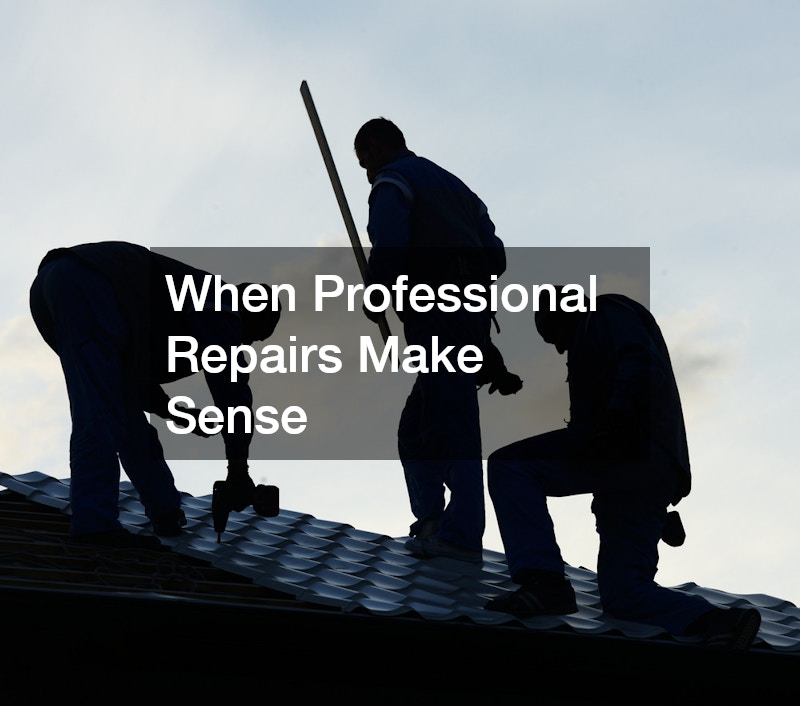
Some insulation gaps can be addressed with basic sealants or weatherstripping, but larger or structural issues usually require a trained eye. If you notice sagging rooflines, persistent leaks, or widespread insulation damage, it may be time to bring in outside expertise rather than attempting a DIY fix. Roofing contractors are trained to identify whether gaps are isolated or symptomatic of a larger ventilation or moisture problem affecting the entire roof system.
A professional assessment can also help you understand whether your attic ventilation is contributing to the issue, since poor airflow can accelerate insulation breakdown over time. Getting an expert opinion before insulation problems spread can save you from more costly repairs down the road.
- Persistent leaks or water stains after storms
- Sagging or uneven rooflines
- Insulation that appears wet, moldy, or compressed
- Repeated ice dam formation despite attic insulation upgrades
Insulation gaps around your roof and exterior walls rarely announce themselves loudly, but their effects on comfort and energy costs add up quickly. By understanding where these gaps typically form and watching for early warning signs, you can address small problems before they become expensive repairs. Whether the fix involves simple sealing, better yard maintenance, or a professional inspection, taking action sooner rather than later will protect both your home and your budget.